Bombus occidentalis: The Struggle and Survival of the Western Bumble Bee
The western bumble bee (Bombus occidentalis) is a vital pollinator native to the western United States and western Canada. As one of approximately 30 bumble bee species in this region, it is recognized as a distinct species through DNA evidence, separating it from close relatives like Bombus terricola. Once among the most common bees in North West America, this species now faces significant conservation challenges.
Key Facts
- Conservation Status: Listed as Vulnerable (IUCN 3.1) and protected under the California Endangered Species Act.
- Range: Historically spanned from Mediterranean California to the Alaskan Tundra.
- Pollination Style: Utilizes "buzz pollination," making it more effective than honey bees for certain crops.
- Population Trend: Experienced a decline of approximately 40.32% over the last decade.
- Colony Size: Can support up to 1,600 workers, which is large for bumble bee species.
Physical Description and Identification
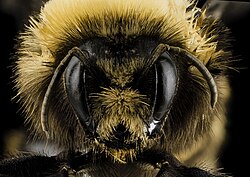
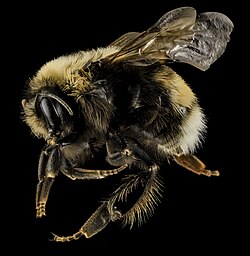
Like all insects, the western bumble bee consists of a head, thorax, and abdomen. Identification primarily relies on the coloration of the abdominal segments, which are numbered T1 through T6 (T7 in males) from the thorax moving ventrally.
Workers exhibit three main color variations. In regions stretching from northern California to British Columbia and east to Montana and Saskatchewan, they typically feature yellow hair on the front of the thorax. These bees are further identified by black hair on the basal section of the fourth abdominal segment, whitish lower edges on the fourth and fifth segments, and an entirely black head.
Determining Sex
Distinguishing between males (drones) and females (queens and workers) involves several anatomical and behavioral markers:
- Abdominal Segments: Males have seven segments; females have six.
- Antennae: Males possess 13 segments, while females have 12.
- Physical Traits: Females have wider hind legs equipped with pollen baskets and possess stingers. Males lack both.
- Seasonal Appearance: Queens emerge first in spring, followed by workers. Drones only appear in late summer and early fall.
Taxonomy and Distribution
Belonging to the family Apidae and the subgenus Bombus sensu stricto, B. occidentalis shows genetic diversity between its northern and southern populations. This divide is evident in the COI-barcode (a DNA sequence used for species identification), with southern populations exhibiting notably shorter hair than their northern counterparts.
Historically, the species enjoyed one of the widest geographic ranges of any bee in the region. However, its presence has diminished by roughly 20%, with severe disappearances noted in western Washington, western Oregon, and California.
Colony Life Cycle and Social Structure
A colony begins in early spring when a solitary queen finds an underground nest, often in cavities left by rodents. She constructs a wax structure and collects pollen to support her first brood of eggs.
Once the female workers emerge, they assume the roles of foraging for nectar and pollen, defending the nest, and feeding larvae. The queen then focuses exclusively on egg-laying. As the season ends, the colony produces reproductive members. While the old queen, workers, and males die off in winter, only the gynes (female reproductive members) hibernate to start the cycle anew the following spring.
Behavior and Ecological Importance
The western bumble bee is a generalist forager, meaning it visits a wide variety of flower types. This flexibility, combined with the ability to fly in cooler temperatures, makes them exceptional pollinators.
Buzz Pollination
One of their most specialized behaviors is "buzz pollination." The bee grabs the pollen-producing structure of a flower and vibrates its wing muscles to dislodge pollen trapped in the anthers. This technique is essential for crops such as cranberries, peppers, and tomatoes.
Foraging and Nectar Robbing
These bees use "foraging activation" to stimulate nestmates. While they cannot communicate exact locations, they can signal the quality of nectar and the specific scent of rewarding floral species through pheromones and physical interaction.
Due to their relatively short tongues, B. occidentalis sometimes engage in "nectar robbing." They use their highly toothed mandibles to cut holes in flowers to access nectar without contacting the flower's sexual organs.
Threats and Conservation Efforts
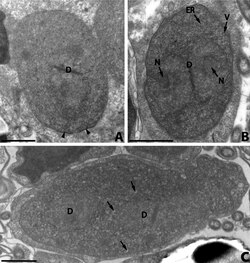
The decline of the western bumble bee is attributed to several intersecting factors. A primary suspect is Nosema, a parasite that has devastated populations. Some scientists hypothesize that this pathogen was introduced via the commercial bee industry when North American bees were shipped to European facilities and then returned.
Other threats include:
- Competition from invasive European honey bees.
- Habitat fragmentation due to urban and agricultural development.
- Exposure to pesticides and insecticides.
- Invasive plant species that displace native nectar sources.
In response, the California Fish and Game Commission added B. occidentalis to the list of protected species under the California Endangered Species Act on June 12, 2019. Despite these threats, a 2016 study suggests some populations may be rebounding as they evolve resistance to Nosema.
| Feature | Detail |
|---|---|
| Scientific Name | Bombus occidentalis |
| Conservation Status | Vulnerable / Protected (CA) |
| Primary Threat | Nosema parasite & Habitat loss |
| Key Ability | Buzz Pollination |
| Max Colony Size | ~1,600 workers |
| Commercial Use | Formerly used for tomatoes, apples, berries |
Frequently Asked Questions
Why is the western bumble bee more effective than the honey bee for some crops?
The western bumble bee performs buzz pollination, vibrating its muscles to release pollen that honey bees cannot access. This is critical for plants like tomatoes and cranberries.
What is the "drifting effect" in commercial greenhouses?
Drifting occurs when bees leave their own colony to join a foreign one. In greenhouse settings, some bees become social parasites, abandoning their roles to introduce their mature ovaries into other colonies.
How does nectar availability affect colony behavior?
High nectar levels provide the energy needed for active defense against predators. In low-energy colonies, bees remain still and become more susceptible to predation, and larvae development time increases.
What caused the sudden population drop in the 1990s?
Evidence suggests that commercial rearing and shipping between North America and Europe introduced non-native fungal and protozoan parasites, such as Nosema bombi, to which wild populations had no prior resistance.
Can you tell a male western bumble bee from a female just by looking?
Yes. Males have seven abdominal segments and thinner hind legs without pollen baskets, whereas females have six abdominal segments and wider hind legs with visible pollen baskets.