Birdwatching: The Evolution of a Global Passion
Birdwatching, often referred to as birding, is the act of observing birds in their natural habitats. While many engage in it as a relaxing recreational activity or a social hobby, it also serves as a vital form of citizen science—where non-professional observers contribute data to scientific research. Unlike ornithologists, who study birds using formal scientific methods, birdwatchers typically focus on the joy of sighting and identifying species.
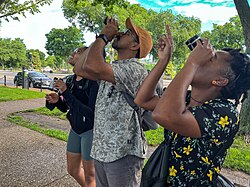
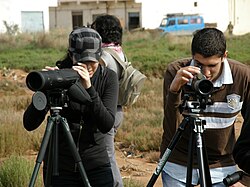
Observers use a variety of methods to spot birds, ranging from the naked eye to visual enhancement devices like binoculars and telescopes. In the modern era, technology has expanded the hobby to include listening for specific bird calls, monitoring public webcams, and using smart bird feeder cameras to bring nature directly into the home.
Key Facts
- Economic Impact: Birders contributed an estimated $36 billion to the US economy in 2006.
- Participation: By 2016, over 45 million Americans identified as birders.
- Global Reach: Guided bird tours are a major global business with at least 127 specialized companies.
- World Records: Arjan Dwarshuis holds a record for seeing 6,852 species in a single year across 40 countries.
- Citizen Science: Birding bridges the gap between recreation and formal ornithology through data collection.
The History of Birding
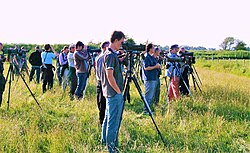
In North America, birding was primarily centered on the eastern seaboard during the early and mid-20th century. The hobby was significantly shaped by the works of Ludlow Griscom and Roger Tory Peterson. Early literature, such as Neltje Blanchan's Bird Neighbors (1897), helped popularize the activity, selling over 250,000 copies, though it featured photographs of stuffed birds rather than live specimens.
The mid-century saw a surge in accessibility. The publication of Roger Tory Peterson's field guide in 1934 and the widespread availability of binoculars after World War II made birding more accessible to the general public. As car ownership and infrastructure grew, birders began traveling further to find rare species.
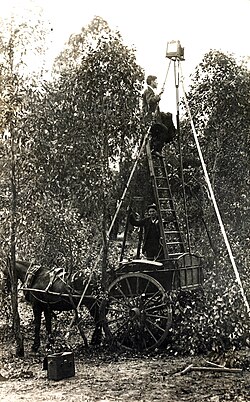
By the 1960s, the advent of feasible air travel transformed birding into an international pursuit. In 1965, Lawrence Holloway established Ornitholidays, Britain's first birding tour company. This global expansion created a need for more precise terminology, as general names like "heron" or "swallow" required adjectives to distinguish between different regional species. This era culminated in massive collaborative efforts like the Handbook of the Birds of the World, started in the 1990s.

Economic and Environmental Impact
Birdwatching is not only a hobby but a significant economic driver. In the United States, the U.S. Fish and Wildlife Service reported that 20% of Americans identify as birdwatchers. The financial impact is substantial; beyond the $36 billion contributed to the US economy in 2006, international sites also see massive influxes of capital. For example, Kuşcenneti National Park at Lake Manyas in Turkey has seen annual spending by birders reaching over $103 million.
The industry has evolved into a professionalized sector of tourism. Guided tours to less-developed countries can cost an average of $4,000 per person. Experts suggest that this economic potential can be strategically tapped to fund critical conservation efforts, turning the act of observation into a tool for habitat protection.
The Pursuit of Rare Species
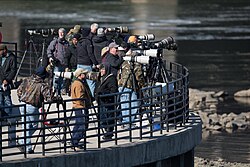
For some, birding is a competitive endeavor. This includes maintaining a Life List—a comprehensive record of every bird species an individual has seen. Some birders, known as "twitchers," travel great distances to see a single rare bird sighting.
This passion has led some to extraordinary lengths. Phoebe Snetsinger traveled the world despite battling melanoma, eventually seeing 8,400 species. Other record-breakers include Tom Gullick, the first to log over 9,000 species in 2012, and Noah Strycker, who recorded 6,042 species in 2015.
Communication and Technology
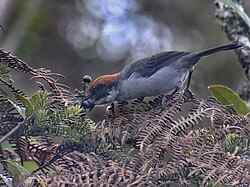
The way birders share information has evolved drastically. In the 1950s, sightings were shared via slow postal mail. By the 1960s and 70s, telephones and local hubs—such as Nancy Gull's café in Cley, Norfolk—became central to the community. These were eventually replaced by dedicated telephone hotlines like "Birdline." Today, mobile applications and real-time digital networking have made the reporting of rare birds instantaneous.
Birding Summary
| Category | Details / Statistics | Key Influence/Example |
|---|---|---|
| US Economic Impact | $36 Billion (2006) | U.S. Fish and Wildlife Service |
| US Participation | Over 45 Million people (2016) | 20% of the population |
| Key Literature | Sibley Guide (500k copies by 2002) | Roger Tory Peterson (1934 Guide) |
| World Record (Year) | 6,852 species | Arjan Dwarshuis |
| Global Tourism | $4,000 avg. trip cost | 127+ tour companies worldwide |

Frequently Asked Questions
What is the difference between a birdwatcher and an ornithologist?
Birdwatchers typically observe birds for recreation, social interaction, or citizen science. Ornithologists are scientists who study birds using formal, academic, and scientific methods.
What is a "Life List" in birding?
A Life List is a cumulative record of every unique bird species a birdwatcher has identified and observed throughout their lifetime.
How has technology changed birdwatching?
Technology has shifted birding from slow postal communication to real-time mobile apps. Additionally, the use of smart bird feeder cameras and public webcams allows for remote observation.
Does birdwatching have a positive economic impact?
Yes, it is a multi-billion dollar industry. In the US, it contributes billions to the economy, and in places like Turkey's Kuşcenneti National Park, it generates significant annual revenue that can be used for conservation.
Who holds the record for the most species seen in one year?
Arjan Dwarshuis holds the record, having logged 6,852 bird species across 40 different countries in a single year.