Bird Feeders: Types, Best Practices, and Environmental Considerations
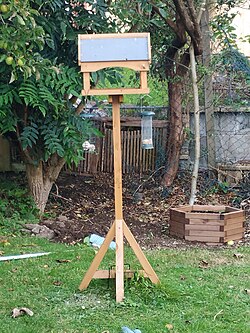
A bird feeder—also known as a bird table or tray feeder—is an outdoor device designed to provide food to wild birds. For many enthusiasts, these devices are a gateway to birdwatching, often paired with webcams to observe the diverse species that congregate in residential gardens. The success of any feeder depends heavily on two factors: its strategic placement and the specific types of food offered, as different bird species have distinct dietary preferences.
Most feeders dispense seeds such as millet, safflower, rapeseed, canola, and various types of sunflower seeds. By providing a varied array of tastes and feeding venues, gardeners can reduce competition among birds and create a more welcoming environment.
Key Facts
- Black oil sunflower seeds are highly prized for their thin shells and high fat content, making them ideal for winter.
- Hummingbird nectar should be a ratio of 4 parts water to 1 part pure white cane or beet sugar.
- Suet provides essential high-fat nourishment for insect-eating birds during cold months.
- Placement is critical; hummingbird feeders should be 15–20 feet from windows and 10–15 feet from cover.
- Hygiene is vital to prevent the spread of diseases like salmonellosis.
Types of Bird Feeders
Seed Feeders
Seed feeders are the most common variety and come in designs ranging from tubes and hoppers to open trays. They attract a wide array of songbirds, including cardinals, chickadees, and finches. While most are designed for sunflower-sized seeds, specialty finch feeders feature smaller openings for Guizotia abyssinica (Niger seed).
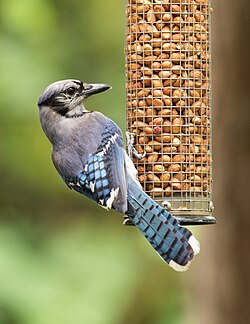
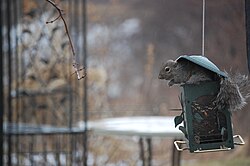
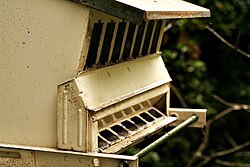
To combat squirrels, manufacturers use several defense mechanisms. Some employ weight-sensitive technology that closes seed ports when a heavier animal lands. Others use metal cages or are mounted on poles to make them harder to reach from trees. Hopper feeders, which resemble small houses, are particularly effective at attracting sparrows, titmice, and blue jays.
Hummingbird Feeders
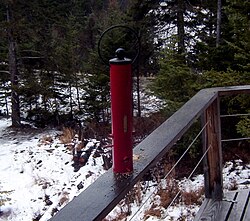
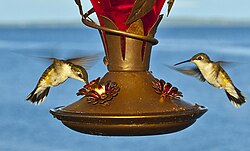
Unlike seed feeders, these provide a liquid sugar solution. Experts warn that only pure refined white cane or beet sugar should be used; brown or raw sugars contain iron levels that can be lethal, and honey can promote dangerous fungal growth. Nectar must be refreshed every 3–5 days to prevent yeast growth.
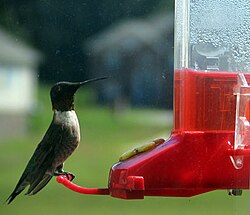
Designers often use red glass or accents to attract hummingbirds. Modern options include top-fill feeders—which reduce spills and are easier to clean—and bottom-fill versions, some of which attach directly to windows. To prevent ants from raiding the nectar, petroleum jelly can be applied to the stem or cap, away from the feeding ports.
Oriole and Suet Feeders
Oriole feeders are typically orange to attract New World orioles. These birds have uniquely shaped beaks and tongues and may also eat fruit, such as grape jelly or orange halves. Because of the sugar content, these feeders require cleaning at least once a week.
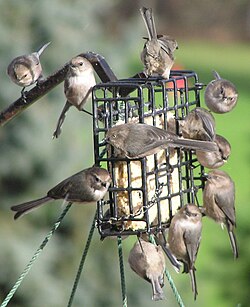
Suet feeders usually consist of a metal cage containing a block of suet (fat mixed with seeds or grains). These are essential for woodpeckers, nuthatches, and flickers, providing the high-calorie fat needed to survive winter. Suet logs with drilled holes are another popular variation.
A Brief History of Hummingbird Feeding
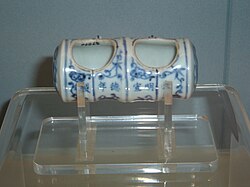
The practice of feeding hummingbirds dates back to at least 1821, when John James Audubon noted the use of "sweetened wine" in Louisiana. By 1900, Carolyn B. Soule experimented with sugar water and glass bottles. Early 20th-century research by Althea Sherman indicated that hummingbirds preferred plain bottles over imitation flowers.
In the 1920s, Benjamin Tucker developed automatic feeders adapted from chicken drinking apparatuses. Later, Edith Webster determined that a ratio of two parts water to one part sugar was optimal. Commercial feeders entered the market in the 1930s, eventually evolving into the modern "vacuum" (inverted cylinder) and "saucer" designs.
Managing Risks and Environmental Impact
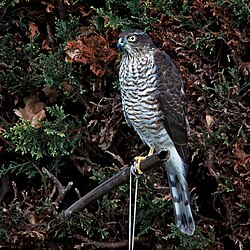
While rewarding, bird feeding has potential downsides. Birds congregating in one area can spread diseases like salmonellosis, and poorly maintained stations can cause illness. Additionally, feeders can attract predators or lead to window collisions. To mitigate this, users should disinfect feeders regularly, use window decals, or install wooden lattices.
There are also ecological concerns. In North America, the invasive house sparrow may dominate feeders, potentially excluding indigenous bluebirds from nesting sites. Some ornithologists, such as Jason Rogers, argue that feeders can foster dependency, alter migration patterns, and interfere with natural ecological processes.
Summary of Feeder Types
| Feeder Type | Primary Food | Target Species | Key Maintenance |
|---|---|---|---|
| Seed (Tube/Hopper) | Sunflower, Millet, Niger | Cardinals, Finches, Chickadees | Keep dry; check for mold |
| Hummingbird | White Sugar Solution | Hummingbirds | Change nectar every 3–5 days |
| Oriole | Nectar, Fruit/Jelly | New World Orioles | Clean weekly (more in heat) |
| Suet | High-fat Suet Cakes | Woodpeckers, Nuthatches | Replace cakes as consumed |
Frequently Asked Questions
What is the best sugar to use for hummingbirds?
Only pure refined white cane or beet sugar should be used. Avoid brown, raw, or turbinado sugars due to lethal iron levels, and never use honey, as it can cause fungal growth.
How can I stop squirrels from eating my bird seed?
You can use weight-sensitive feeders that close when a squirrel lands, surround tube feeders with metal cages, or mount feeders on poles with baffles to prevent climbing.
Why are black oil sunflower seeds recommended?
They are preferred because they have thinner shells that are easier for birds to crack, larger kernels, and a higher fat content, which is especially beneficial during winter.
How often should I clean my bird feeders?
Regular disinfection is necessary to prevent the spread of diseases. Oriole feeders should be cleaned at least once a week, and hummingbird nectar should be refreshed every 3 to 5 days.
Can bird feeders harm the local environment?
Yes, they can potentially foster dependency, alter natural migration and distribution patterns, and allow invasive species like the house sparrow to outcompete indigenous birds.