Bird Preening: The Essential Science of Plumage Maintenance
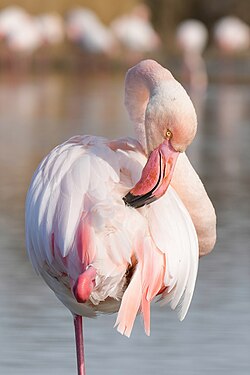
For a bird, feathers are far more than just ornaments. They are critical biological tools that provide insulation, waterproofing, and the aerodynamic capabilities necessary for flight. Because these structures are vital for survival, birds dedicate a significant portion of their daily lives to a meticulous maintenance behavior known as preening.
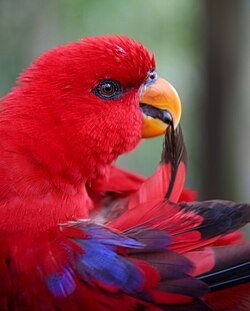
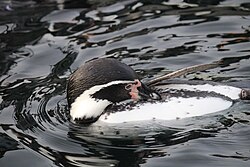
Preening is the process by which a bird uses its beak to clean its plumage, remove ectoparasites (parasites that live on the skin), and ensure that feathers are structurally sound. This process is not merely about cleanliness; it is a complex mechanical operation that keeps the bird flight-ready and protected from the elements.
Key Facts
- Survival Necessity: Preening maintains the waterproofing and insulation required for survival.
- Time Investment: Many species spend over 9% of their day on maintenance, with preening making up 92% of that time.
- Oil Distribution: Birds use the uropygial gland (preen gland) to coat feathers in protective oil.
- Social Bonding: Allopreening (mutual grooming) helps strengthen pair bonds and reduce flock aggression.
- Mechanical Repair: Preening "rezips" separated barbules to restore the feather's structural integrity.
The Mechanics of Preening
To understand how preening works, one must first understand the anatomy of a feather. A central shaft supports branching barbs, which in turn have smaller, hooked filaments called barbules. These barbules interlock like a zipper to create a solid, flexible vane.
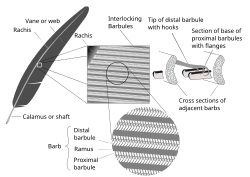
When these barbules become unhooked, the feather loses its efficiency. Birds restore this structure through several specific actions:
- Fluffing and Shaking: This helps "rezip" barbules that have become separated.
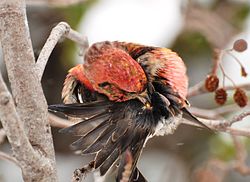
- Nibbling: Birds draw contour feathers through their bill from base to tip, meticulously realigning the barbs.
- Oiling: Using their beaks, birds gather specialized oil from the uropygial gland, located at the base of the tail, and distribute it across their plumage.
Specialized Tools
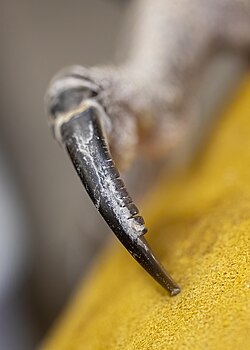
While the beak is the primary tool, some species have evolved specialized adaptations. For example, the barn owl possesses a pectinate claw—a comb-like structure used specifically for facial preening.
Time and Effort: How Much Do Birds Preen?
The amount of time a bird spends preening varies wildly depending on the species and its reliance on flight. On average, birds may preen at least once per hour during rest periods. Some species, such as common loons, may spend upwards of 25% of their day preening, while certain gulls spend about 15% of their daylight hours on this activity during the breeding season.
Interestingly, the effort is not uniform across all birds. Ratites (flightless birds like ostriches) spend significantly less time on maintenance; one study found ostriches spend less than 1% of their time on these behaviors, as they do not require the same aerodynamic precision as flying birds.
| Bird Category/Species | Estimated Time Spent Preening/Maintaining | Primary Driver |
|---|---|---|
| General Average (Multiple Species) | >9% of day | General maintenance |
| Common Loons | Up to 25% of day | Waterproofing/Flight |
| Gulls (Breeding Season) | ~15% of daylight hours | Plumage upkeep |
| Ostriches (Ratites) | <1% of time | Low aerodynamic need |
Social and Secondary Functions
While preening is primarily a functional necessity, it often serves secondary social purposes. Allopreening occurs when two or more birds groom one another. This is common among mated pairs or within social flocks.
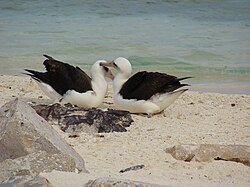
Allopreening serves several critical social roles:
- Bonding: It strengthens pair bonds and helps in the recognition of mates.
- Conflict Resolution: In social species, it can reduce or redirect aggressive tendencies within a flock.
- Hygiene: It allows birds to clean areas they cannot reach themselves, such as the head and neck.
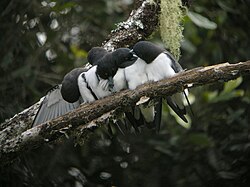
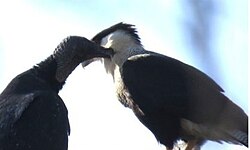
In some cases, this behavior transcends species boundaries, known as interspecific allopreening, such as when a black vulture preens a crested caracara.
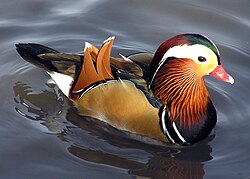
Additionally, preening can be ritualized as part of courtship displays—such as the mandarin duck's attention to its "sail" feathers—or act as a displacement activity when a bird is experiencing conflicting drives.
Potential Risks and Problems
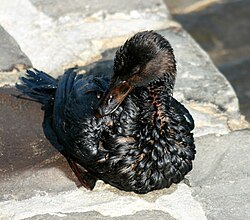
Despite its benefits, the instinct to preen can become dangerous in polluted environments. Birds affected by oil spills, for instance, may ingest fatal amounts of toxins while attempting to preen the oil from their feathers.
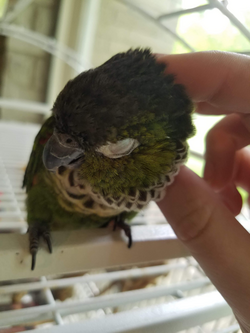
Furthermore, pet birds may develop compulsive grooming habits, and in some cases, parrots may solicit preening from human owners to satisfy social needs.
Frequently Asked Questions
Why is preen oil important?
Preen oil, secreted by the uropygial gland, provides a protective coating that helps with waterproofing and maintains the overall health and flexibility of the feathers.
What is the difference between preening and allopreening?
Preening is an individual maintenance behavior where a bird grooms itself. Allopreening is a social behavior where one bird grooms another, often to strengthen social bonds or clean hard-to-reach areas.
Do all birds spend the same amount of time preening?
No. Birds that rely on flight and waterproofing, like loons, spend significantly more time preening than flightless birds like ostriches, who spend very little time on such behaviors.
How does preening help a bird fly?
By realigning and interlocking the feather barbules, preening ensures the feather vane is solid and aerodynamic, which is essential for generating lift and controlling flight.
Can preening be a sign of stress?
Yes, preening can sometimes act as a displacement activity, which occurs when a bird is subjected to two conflicting drives or emotional stressors.