Belo Monte Dam: Brazil's Massive Hydroelectric Complex and Its Controversies
The Complexo Hidrelétrico Belo Monte is one of the largest hydroelectric projects in the world. Located in Pará, Brazil, this massive engineering feat harnesses the power of the Xingu River to provide significant energy capacity to the Brazilian grid. While it represents a major leap in power generation, its construction has been marked by intense legal battles, environmental concerns, and human rights disputes.
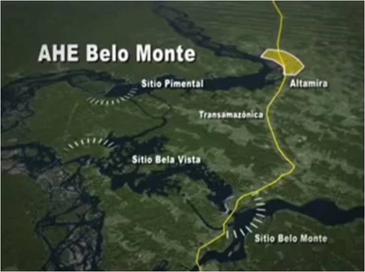
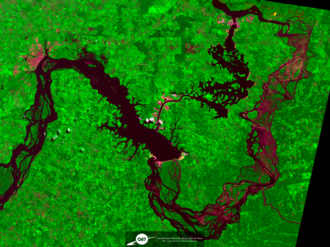
The project is a composite dam system, meaning it utilizes different types of structures to manage water flow and power generation. It consists of three primary dams: the main Belo Monte dam, the Pimental dam, and the Bela Vista dam. Together, these structures create two major reservoirs: the Dos Canais and the Calha Do Xingu.
Key Facts
- Installed Capacity: 11,233 MW
- Annual Generation: 39.5 TWh
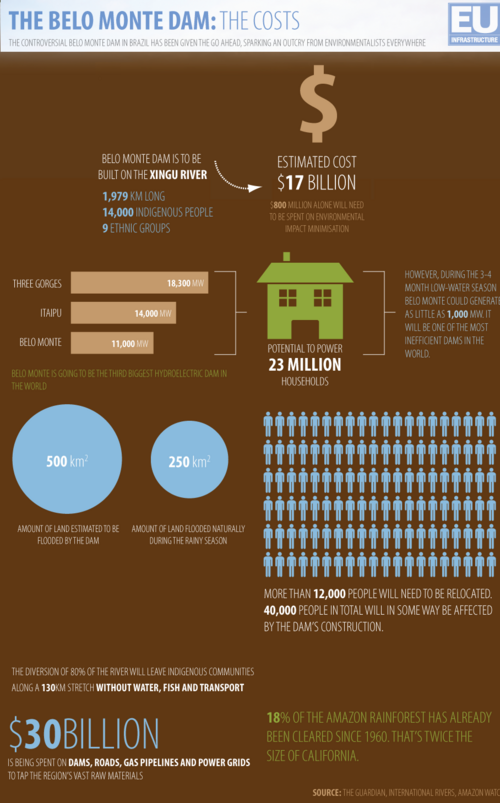
- Estimated Cost: US$18.5 billion
- Location: Xingu River, Pará, Brazil
- Operational Status: Operational since 2016 (Power station commissioned November 2019)
- Primary Operator: Eletronorte
Technical Specifications and Infrastructure
The Belo Monte complex is designed for high-volume energy production using a combination of Francis turbines (used for higher head/pressure) and Kaplan bulb turbines (used for lower head/higher flow). The main Belo Monte station houses 18 Francis turbines, while the Pimental station utilizes 6 Kaplan bulb turbines.
Dam Dimensions and Capacity
The scale of the infrastructure is immense, with the Belo Monte dam reaching a height of 90 meters and stretching over 3.5 kilometers in length. The Pimental dam is even longer, extending 6,248 meters to manage the Calha Do Xingu reservoir.
| Feature | Belo Monte Dam | Pimental Dam | Bela Vista Dam |
|---|---|---|---|
| Height | 90 m | 36 m | 33 m |
| Length | 3,545 m | 6,248 m | 351 m |
| Volume | 25,356,000 m³ | 4,768,000 m³ | 239,500 m³ |
| Spillway Gates | N/A | 17 gates | 4 gates |
Environmental and Social Impact
The construction of Belo Monte has been a flashpoint for environmentalists and indigenous rights advocates. The project significantly altered the Xingu River's ecosystem, leading to the loss of natural vegetation and disrupting the migration routes of fish. One notable example of the biodiversity at risk is the Hypancistrus zebra, a fish species found exclusively in the Volta Grande (Big Bend) region.

The IBAMA (Brazilian Institute of Environment and Renewable Natural Resources) environmental impact assessment highlighted several critical concerns:
- Permanent flooding of shelters in Gravura Assurini.
- Damage to archaeological sites in the region.
- Uncontrolled land occupation and population increases in local areas.
- Temporary disruption of the Xingu riverbed water supply for a period of seven months.
Human Rights and Indigenous Opposition
Indigenous leaders, most notably Chief Raoni, have led global campaigns against the dam. Their opposition centers on the loss of ancestral lands, the displacement of populations, and the threat to the traditional way of life for forest-dwelling communities.

Protests have occurred both locally and internationally, with petitions brought as far as Paris to highlight the human rights concerns associated with the project.

The project faced numerous legal challenges in Federal Courts, leading to multiple temporary halts in construction before the project eventually reached completion.

Frequently Asked Questions
Who owns and operates the Belo Monte Dam?
The dam is operated by Eletronorte. Ownership is split among a consortium of partners, including Eletronorte (19.98%), Eletrobras (15%), CHESF (15%), and various investment funds and construction firms such as Bolzano Participacoes and the Bertin Group.
What is the total power capacity of the complex?
The installed capacity of the Belo Monte hydroelectric complex is 11,233 MW, with an annual generation of 39.5 TWh.
What are the main environmental concerns?
The primary concerns include the loss of biodiversity, changes in water quality and flow, the disruption of fish migration, and the permanent flooding of indigenous shelters.
How much did the project cost?
The estimated construction cost of the Belo Monte Dam was US$18.5 billion.
Which river does the dam impound?
The dam impounds the Xingu River in the state of Pará, Brazil.