Battle of the Somme: A Turning Point of the Western Front
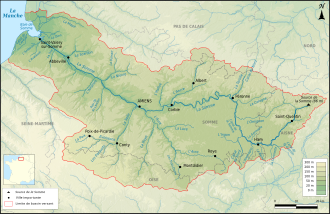
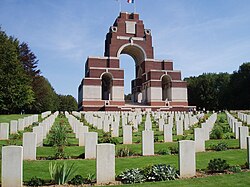
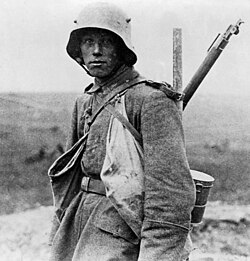
The Battle of the Somme stands as one of the most devastating and iconic conflicts of the First World War. Spanning from July 1 to November 18, 1916, this massive engagement took place along the Somme River in France, involving the combined forces of the British Empire and France against the German Empire. While the territorial gains were modest, the battle is remembered for its staggering loss of life and the introduction of new military technologies.
Initially conceived as a decisive breakthrough, the offensive evolved into a war of attrition—a strategic process of wearing down the enemy's personnel and resources to the point of collapse. The battle tested the resolve of millions and fundamentally changed the nature of modern warfare.
Key Facts
- Duration: July 1 – November 18, 1916 (approximately 4.5 months).
- Location: Somme River region, France.
- Belligerents: British Empire (including Canada, Australia, New Zealand, and others) and France vs. the German Empire.
- Firsts: Marked the first operational use of the tank in September 1916.
- Human Cost: Combined Allied casualties exceeded 600,000, with German losses estimated between 237,000 and 600,000 depending on the source.
- Outcome: Inconclusive, resulting in a bulge driven into the Noyon Salient.
Strategic Context and Planning
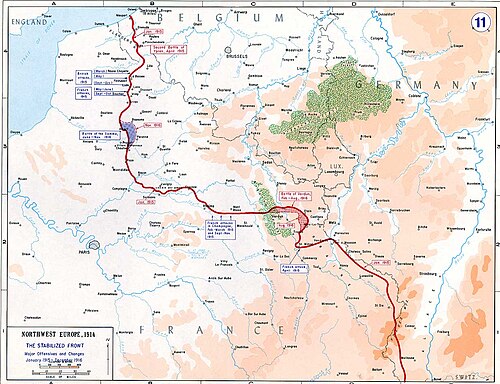
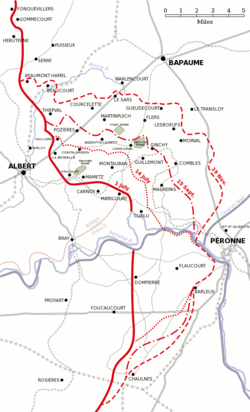
In early 1916, Allied commanders agreed to mount a combined offensive where the French and British armies met in Picardy. However, the strategic landscape shifted when the Germans launched the Battle of Verdun. The intensity of the fighting at Verdun forced the French to divert divisions, reducing their contribution to the Somme offensive to 13 divisions, while the British committed 20.
By the end of May, the goal had shifted from a decisive victory to a limited offensive designed to relieve pressure on the French at Verdun and inflict heavy losses on the German army.
The Three Phases of the Battle
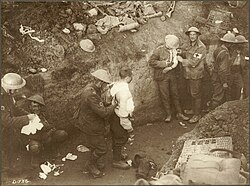
First Phase: The Disaster of July 1
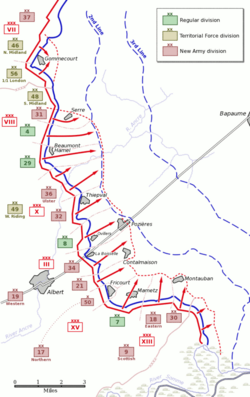
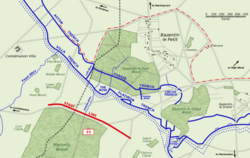
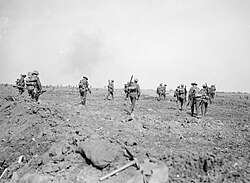
The offensive began with a massive artillery bombardment on June 24, followed by an infantry attack on July 1. While the French Sixth Army and the right wing of the British Fourth Army saw some success, the attack north of the Albert–Bapaume road was a catastrophe. The British suffered 57,470 casualties on the first day alone, including 19,240 killed—the bloodiest single day in the history of the British Army.
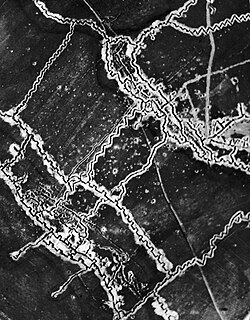
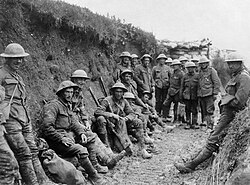
Second Phase: Grinding Attrition (July–September)
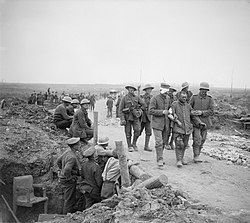
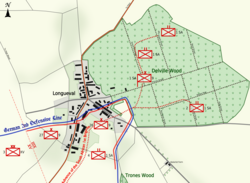
Following the initial shock, the battle transitioned into a series of smaller, brutal engagements for specific villages and woods. Notable battles included the struggle for Delville Wood and Pozières. By September, the capture of Ginchy and successes by the French Sixth Army allowed for larger sequenced attacks, inflicting approximately 130,000 casualties on German defenders during that month.
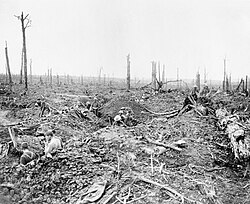
Third Phase: New Technology and Final Pushes (September–November)
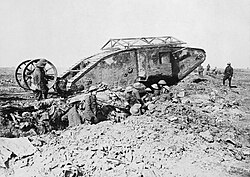
The final general offensive, the Battle of Flers–Courcelette, saw the debut of the Canadian Corps, the New Zealand Division, and the first use of tanks. Although the tanks proved unreliable, the tactical gains were significant, advancing the front line by 2,500 to 3,500 yards.
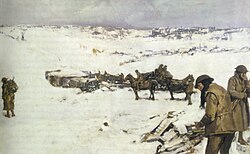
The battle eventually wound down in November, leading the German army to eventually withdraw to the Hindenburg Line (Siegfriedstellung) in March 1917 to establish a more defensible position.
Analysis of Casualties and Impact
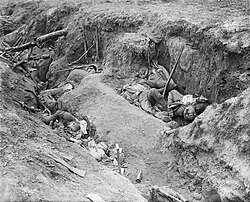
The Somme was a crucible for "Kitchener's Army"—a mass of enthusiastic but inexperienced volunteers. The loss of these men, alongside professional officers, had a profound impact on the British Empire. While Allied estimates often claimed higher German losses, historical data varies. Some sources suggest German losses were around 429,000, while others place them as high as 600,000.
| Force | Estimated Casualties | Killed & Missing |
|---|---|---|
| British Empire (Commonwealth) | 419,654 | 95,675 |
| French Army | 204,253 | 50,729 |
| German Empire | 237,159 – 600,000 | 164,055 (min) |
Frequently Asked Questions
Why is the first day of the Somme so famous?
It is remembered as the deadliest day in the history of the British Army, with 57,470 casualties, highlighting the failure of early trench warfare tactics against prepared defenses.
What was the role of the tank in this battle?
The tank made its combat debut in September 1916 during the Battle of Flers–Courcelette. Although they were mechanically unreliable, they represented a major shift toward mechanized warfare.
Was the Battle of the Somme a victory?
The result is generally considered inconclusive. While the Allies gained some ground and inflicted heavy losses on the Germans, they failed to achieve a strategic breakthrough.
Who were "Kitchener's Army"?
They were the volunteers who joined the British Army in response to Lord Kitchener's call for recruits at the start of the war. They were often highly motivated but lacked the professional training of the pre-war army.
What was the Hindenburg Line?
The Hindenburg Line (Siegfriedstellung) was a massive German defensive system that the German army retreated to in early 1917 to shorten their front and improve their defensive capabilities after the losses at the Somme.