Banda Aceh: A History of Trade, Conflict, and Resilience
Situated at the northernmost tip of Sumatra, Banda Aceh has served for centuries as a vital strategic hub for transportation and trade in the eastern Indian Ocean. Its geographic position made it a natural gateway for travelers and merchants navigating between Arabia, India, and the Indonesian archipelago.
Early History and the Rise of the Sultanate
The city's early significance is documented in western accounts as far back as 1292, when Marco Polo visited the city. At the time, it was known as 'Lambri' and was part of the Lamuri Kingdom. By the mid-14th century, the traveler Ibn Battuta reported that the city was under the control of the trading kingdom of Samudera Pasai, which was the dominant power in northern Sumatra during that era.
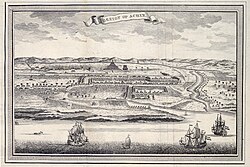
The decline of Samudera Pasai, driven by economic instability and pressure from the Portuguese—who had occupied Malacca in the early 16th century—paved the way for a new power. In the 1520s, Sultan Ali Mughayat Syah founded the Sultanate of Aceh. He aggressively expanded his territory, building his empire upon the remnants of Pasai and other extinct local kingdoms. He established the capital at Banda Aceh and renamed it Kutaraja, meaning "City of the King."
Colonial Conflict and the Dutch-Aceh War
The latter half of the 18th century brought increased tension as the Sultanate clashed with British and Dutch interests. By the end of the century, the British had seized Acehnese territories on the Malay Peninsula, specifically Pulau Pinang and Kedah.
The conflict with the Dutch escalated in 1871, leading to a formal declaration of war on March 26, 1873. The Dutch launched an initial assault, bombarding the capital in an attempt to capture the sultan's palace and force a surrender. However, the city had been modernized and fortified with significant support from the British. The Dutch underestimated these defenses, and the first expedition ended in failure following the death of General Johan Köhler in a skirmish.
A second Dutch expedition was launched months later and successfully overwhelmed the city, with Dutch forces moving into the capital in January 1874. While the city fell, the conflict persisted for years as the Acehnese continued to fight the Dutch occupation from the countryside.
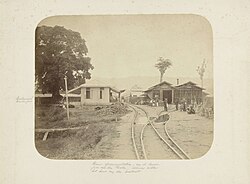
Following the integration of the region into the Government of the Republic of Indonesia on December 28, 1962, the city's name was officially changed from Kutaraja back to Banda Aceh on May 9, 1963.
Modern Challenges and Recovery
The 2004 Tsunami Disaster
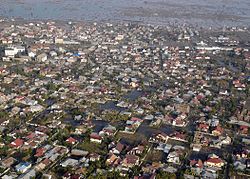
On December 26, 2004, Banda Aceh was devastated by a massive tsunami triggered by a 9.2-magnitude earthquake in the Indian Ocean. The catastrophe resulted in the deaths of 167,000 inhabitants and the destruction of more than 60% of the city's buildings.
Recent Social Unrest
In recent years, the city has faced social tensions regarding refugee populations. On December 27, 2023, hundreds of students from institutions including the University of Muhammadiyah Aceh, Bina Bangsa Getsempena University, and Abulyatama University stormed a convention center serving as a shelter for Rohingya refugees. The protesters demanded the deportation of the refugees, resulting in the forced removal of men, women, and children from the facility.
Key Facts
- Strategic Location: Historically the first port of call for travelers from India and Arabia to Indonesia.
- Former Name: Known as Kutaraja ("City of the King") during the Sultanate and Dutch colonial periods.
- Major Conflict: The Dutch-Aceh War began in 1873, characterized by strong local resistance.
- Natural Disaster: A 9.2-magnitude earthquake and tsunami in 2004 destroyed over 60% of the city's infrastructure.
- Population Growth: Increased from 248,727 in 2012 to an estimated 267,962 by mid-2025.
| Year/Period | Event/Statistic | Detail |
|---|---|---|
| 1292 | First Western Mention | Visited by Marco Polo (referred to as 'Lambri') |
| 1520s | Sultanate Foundation | Established by Sultan Ali Mughayat Syah |
| 1873 | Dutch-Aceh War | Formal declaration of war on March 26 |
| 1963 | Renaming | Kutaraja officially renamed to Banda Aceh |
| 2004 | Tsunami | 167,000 deaths; 60%+ buildings destroyed |
| 2020 | Census Population | 252,899 inhabitants |
| 2025 (Est.) | Estimated Population | 267,962 inhabitants |
Frequently Asked Questions
What was Banda Aceh called before it was renamed in 1963?
The city was known as Kutaraja, which translates to "City of the King," a name given by Sultan Ali Mughayat Syah.
Who were the first famous travelers to document the city?
Marco Polo visited in 1292, referring to it as 'Lambri,' and Ibn Battuta visited in the mid-14th century during the era of the Samudera Pasai kingdom.
Why did the first Dutch expedition in 1873 fail?
The Dutch underestimated the city's fortifications and modernization. The expedition ended in failure after General Johan Köhler was killed in a skirmish.
How severe was the impact of the 2004 tsunami on Banda Aceh?
The disaster was catastrophic, killing 167,000 people and destroying more than 60% of the city's buildings.
What happened during the 2023 Rohingya protests?
University students stormed a refugee shelter in a convention center, forcing out Rohingya refugees and demanding their deportation from Aceh.