Ballast Water Management: Protecting Marine Ecosystems from Invasive Species
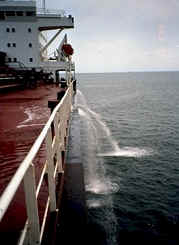
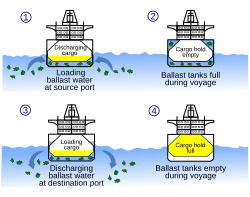
Large vessels, including cruise ships, tankers, and bulk cargo carriers, rely on ballast water to maintain stability and safety. This water is typically taken on in coastal areas after unloading cargo or discharging wastewater and is later released at a different port to allow for new cargo loading. While essential for maritime operations, this process serves as a primary vector for transporting biological materials across the globe.
When ships discharge ballast water, they release a cocktail of plants, animals, viruses, and bacteria. Many of these are non-native or exotic species that do not belong in the receiving environment. Once introduced, these organisms can become invasive, causing devastating ecological and economic damage to aquatic ecosystems and posing significant risks to human health.
The Ecological and Economic Impact of Ballast Water
The introduction of invasive species via ballast water is a global crisis. These organisms can outcompete native species, disrupt food webs, and introduce harmful pathogens. For example, the discharge of Vibrio cholerae (a form of cholera) in Peru in 1991 was linked to the deaths of over 10,000 people in the following three years.
Beyond biological threats, there are significant economic consequences. In the United States, the introduction of pest mollusks like zebra mussels and the Asian clam costs aquatic ecosystems more than $6 billion annually. The zebra mussel, native to the Caspian and Black Seas, famously spread through the Great Lakes after arriving in Lake St. Clair via a transatlantic freighter in 1988, causing an estimated $5 billion in damage.
Key Facts
- Leading Source: Ballast water is considered the primary source of invasive species in U.S. marine waters.
- Economic Toll: Pest mollusks alone cause over $6 billion in annual economic damage in U.S. ecosystems.
- Global Spread: Without management, species can propagate to any port via global shipping networks, averaging two intermediate stops.
- Regulatory Framework: The IMO Ballast Water Management Convention has been in force since September 2017.
- Singapore's Role: Singapore alone accounts for approximately 26% of cross-region species exchange in the Pacific.
Global Regulatory Frameworks
To mitigate these risks, international and national bodies have implemented strict regulations. The International Maritime Organization (IMO) adopted the "International Convention for the Control and Management of Ships' Ballast Water and Sediments" in 2004. This convention requires ships to maintain a ballast water management plan, a record book, and an international certificate.
In the United States, regulations are managed by the Environmental Protection Agency (EPA) and the U.S. Coast Guard. The EPA sets numeric discharge limits for commercial vessels, while the National Invasive Species Act of 1996 provides the legal foundation for controlling these discharges.
Summary of Regulatory and Biological Risks
| Category | Key Details |
|---|---|
| Top Problematic Species | Zebra mussels, Mitten crab, Round goby, Toxic algae, and Cholera. |
| IMO Management Goals | Minimize uptake of organisms/sediments and utilize water exchange or treatment. |
| Primary Treatment Methods | Mechanical filtration combined with UV radiation or chemical treatment. |
| Economic Sectors Affected | Fisheries, tourism, agriculture, and water/power utilities. |
Ballast Water Treatment Technologies
Modern shipping utilizes several methods to ensure ballast water is safe before discharge. Most ships employ an integrated approach, combining mechanical filtration with secondary treatments.
Onboard Treatment Systems
The most common onboard method involves filtering out larger organisms and particles, followed by ultraviolet (UV) radiation. The UV light damages the DNA of remaining microorganisms, preventing them from reproducing. While ultrafiltration is highly efficient at removing organisms, it is significantly more expensive—often two to five times the cost of UV treatment—due to its complex infrastructure.
Port-Based Management
An alternative model is port-based management, where ships discharge ballast into centralized facility tanks. These facilities treat the water using physical and chemical methods. This model allows for high operational efficiency, as cargo handling and water treatment can occur simultaneously. Because of the scale, port-based ultrafiltration can be more economically viable and efficient than individual ship-based systems.
Frequently Asked Questions
How does ballast water differ from bilge pollution?
While both impact the ocean, they are distinct. Bilge pollution occurs when pollutants from a ship's heavy machinery leak into the ocean, whereas ballast water discharge involves the release of biological materials like plants and animals.
What are the main goals of the IMO Convention?
The convention aims to minimize the uptake of organisms and sediments during ballasting and requires ships to either exchange ballast water at sea (at least 200 nautical miles from shore in deep water) or treat the water using chemical or mechanical means.
Why do bulk carriers need ballast water?
After unloading cargo, a bulk carrier must load ballast water to ensure the propeller remains sufficiently submerged below the water surface for safe operation.
Which species are considered the most unwanted by the IMO?
The IMO lists ten highly unwanted species, including the Zebra mussel, Mitten crab, Round goby, North Pacific seastar, and various strains of Cholera.
Is UV treatment or ultrafiltration better for ships?
For individual vessels, ultraviolet (UV) treatment is generally more economically viable. Ultrafiltration is more effective at removing a wider range of organisms but is much more expensive and complex to implement onboard.