Aymara People: History, Culture, and Resilience of the Andean Highlands
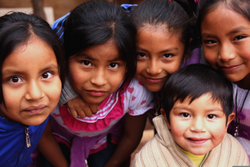
The Aymara are an indigenous ethnic group with a profound legacy spanning over 7,250 years in the high-altitude regions of the Andes. Primarily inhabiting the Altiplano (the high plain) surrounding Lake Titicaca, the Aymara have maintained a distinct cultural identity despite centuries of imperial rule and political upheaval. Today, they remain a vital force in the social and political landscapes of Bolivia, Peru, Chile, and Argentina.
From the mysterious ruins of ancient cities to the modern political arenas of South America, the Aymara story is one of endurance and adaptation. Their worldview, language, and spiritual practices continue to thrive, bridging the gap between a prehistoric past and a globalized present.
Key Facts
- Total Population: Approximately 2,324,675 people.
- Primary Regions: Bolivia (largest population), Peru, Chile, and Argentina.
- Languages: Aymara and Spanish.
- Major Religions: Catholicism (majority), Evangelicalism, and Traditional beliefs.
- Historical Ties: Related to the Quechua and Uru ethnic groups.
Ancient Origins and the Mystery of Tiwanaku
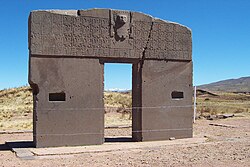
The early history of the Aymara is shrouded in mystery, with various hypotheses regarding their origins. Much of the archaeological evidence centers on the Titicaca basin, specifically the ancient city of Tiwanaku. Radiocarbon dating suggests this city was founded around 110 AD.
Interestingly, there is a disconnect between archaeological data and Aymara oral traditions. Some scholars, such as Carlos Mamani Condori, suggest that the Aymara perceive time as a continuum rather than a linear progression of prehistory and history. This may explain why early Spanish chroniclers, including Pedro Cieza de León, noted that the Aymara people of the 16th century did not claim to be the builders of Tiwanaku.
Imperial Rule: From the Incas to the Spanish
The Inca Expansion
By the late 15th or early 16th century, the Aymara came under the dominion of the Inca Empire. Historical records indicate that while Viracocha Inca first attempted to expand south from the Kingdom of Cusco, it was his successor, Pachacuti, and later Yupanqui, who successfully brought the Aymara territories under Inca control.
The Spanish Conquest
The arrival of Spanish conquistadors in the 16th century brought drastic changes. Following Francisco Pizarro's capture and execution of the Inca ruler Atahualpa in 1533, the Spanish established colonial rule. The Aymara were subjected to the encomienda system, a labor system that often led to severe abuse.
The plight of the indigenous population was documented by the Dominican friar Bartolomé de las Casas, whose writings prompted King Charles I of Spain to issue the New Laws in 1542. Despite these attempts to streamline labor practices, the Aymara population continued to decline due to forced displacement to cities, factories, and the silver mines of Potosí.
Resistance and Independence
Aymara resistance to Spanish rule was persistent. Intermittent insurrections occurred from 1629 through the Peruvian War of Independence. A major uprising took place between 1779 and 1781, led by the Inca descendant Túpac Amaru, though historians note that the ethnic associations during this era were highly complex.
Demographics and Geographic Distribution
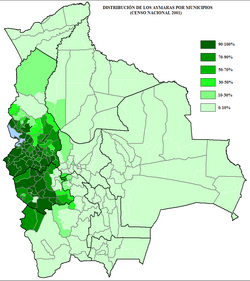
The Aymara population is distributed across four South American nations, with the vast majority residing in the highlands of Bolivia and Peru.
| Country | Estimated Population | Percentage (Approx.) |
|---|---|---|
| Bolivia | 1,594,248 | 60% |
| Peru | 655,552 | 30% |
| Chile | 178,637 | 6% |
| Argentina | 19,247 | 0.2% |
Cultural Heritage and Spirituality
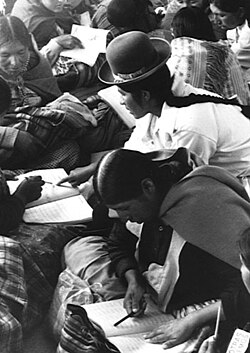
Aymara culture is characterized by a deep connection to the land and a rich tradition of textiles and spirituality. The Wiphala, a multicolored square flag, serves as a powerful symbol of Aymara identity and indigenous unity.

Spirituality and Tradition
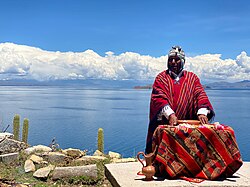
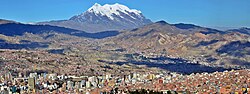
While the majority of Aymara people identify as Catholic, traditional beliefs remain influential. Spirituality often involves the veneration of apus (mountain deities), such as Mount Illimani, which is seen as the guardian of La Paz. Traditional healers, known as Yatiris, continue to perform rituals to maintain community health and spiritual balance.
Daily Life and Customs
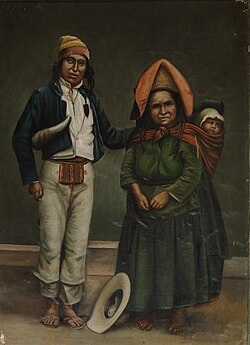
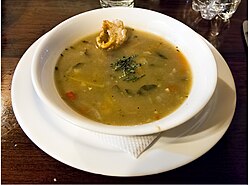
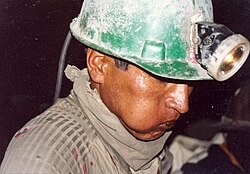
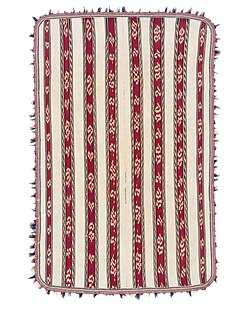
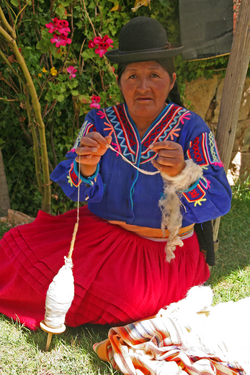
The Aymara are renowned for their weaving skills, producing intricate ponchos and textiles from alpaca wool. Their diet traditionally includes superfoods and the use of coca leaves, which are chewed to combat altitude sickness and fatigue, particularly among miners in regions like Potosí.
Modern Challenges and Political Activism
In the modern era, the Aymara have transitioned from colonial subjects to active political agents. In Bolivia, Aymara-led protests between 2000 and 2005, including the gas conflict of 2003, played a pivotal role in toppling the government of Carlos Mesa.
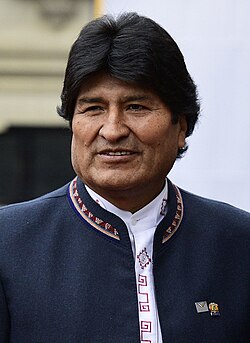
This political mobilization culminated in the election of Evo Morales, Bolivia's first president of indigenous descent. Despite these gains, the Aymara still face significant challenges, including poverty, racism, environmental damage, and limited access to culturally appropriate healthcare and justice.
Frequently Asked Questions
What is the Wiphala?
The Wiphala is a multicolored square flag that represents the Aymara people and the broader indigenous identity of the Andes, symbolizing harmony and unity.
Where do most Aymara people live today?
The majority of the Aymara population lives in Bolivia, followed by Peru, Chile, and a small population in Argentina.
What is the significance of the coca leaf to the Aymara?
Coca leaves are used traditionally to alleviate the effects of high altitude, provide energy, and are integrated into various spiritual and social rituals.
Who was Evo Morales?
Evo Morales is a notable Aymara leader who served as the 65th President of Bolivia, becoming the first president of the country to be of indigenous descent.
What is a Yatiri?
A Yatiri is a traditional Aymara medical practitioner and community healer who performs spiritual rituals and provides traditional medicine.