Avian Taxonomy: A Comprehensive Overview of Bird Genera
The biological classification of birds is a vast and intricate system that organizes thousands of species into manageable groups based on shared characteristics and evolutionary history. At the heart of this system is the genus, a taxonomic rank that sits above the species level and groups together closely related birds. From the soaring eagles of the Accipitriformes to the melodic songbirds of the Passeriformes, the diversity of avian genera reflects the incredible adaptation of birds to every corner of the globe.
Understanding these groupings allows ornithologists—scientists who study birds—to track evolutionary lineages and identify behavioral patterns across different families. Whether it is the specialized beaks of hummingbirds or the flightless strength of the ostrich, taxonomic organization provides the framework for studying these biological marvels.
Key Facts
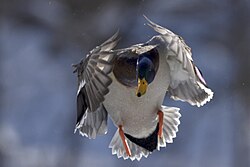
- Accipitriformes include powerful raptors such as eagles (Aquila), buzzards (Buteo), and harriers (Circus).
- Passeriformes represent a massive portion of avian diversity, encompassing flycatchers, warblers, and crows.
- Flightless Birds are represented by genera such as the ostrich (Struthio), emu (Dromaius), and penguin (Pygoscelis).
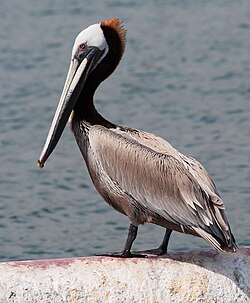
- Specialized Feeders include the nectar-seeking hummingbirds (e.g., Archilochus) and the fish-hunting pelicans (Pelecanus).
- Taxonomic Breadth spans from the smallest hummingbirds to the largest flightless ratites.
The Raptors and Waterfowl
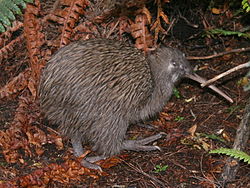
The order Accipitriformes contains some of the most formidable predators in the sky. This group includes the Accipiter genus, known for short-winged hawks, and the Aquila genus, which comprises the true eagles. Other notable raptors include the Buteo (buzzards) and Circus (harriers), each adapted for different hunting styles and environments.
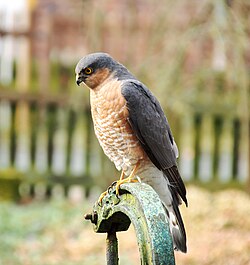
Beyond the raptors, the avian world includes a wide array of water-dependent birds. This includes the Anseranas and Coscoroba (coscoroba swan), as well as the Phoenicopterus and Phoenicoparrus genera, which make up the vibrant flamingos.
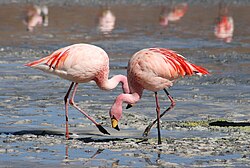
Diverse Avian Lineages
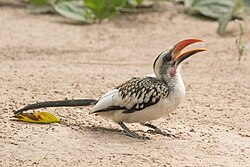
The variety of bird genera extends into highly specialized niches. For instance, the Trochilidae family (hummingbirds) includes genera like Archilochus and Selasphorus, characterized by their ability to hover and feed on nectar.
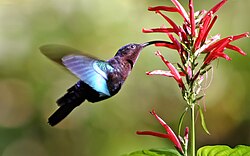
In contrast, the Psittaciformes (parrots) exhibit immense variety, from the large Ara (macaws) to the smaller Forpus. These birds are often found in tropical regions, though some, like the austral parakeet, inhabit temperate zones.
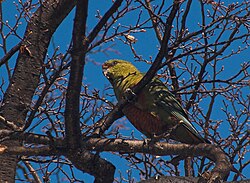
Flightless and Ground-Dwelling Birds
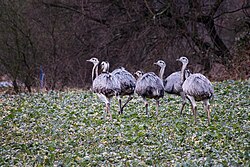
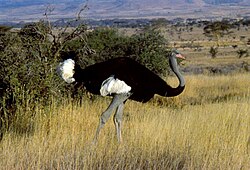
Not all birds are defined by flight. The Struthioniformes and Casuariiformes include the Struthio (ostrich), Dromaius (emu), and Casuarius (cassowary). These birds have evolved powerful legs for running and defense rather than wings for flight.
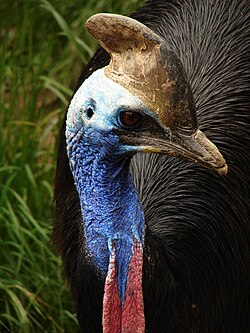
Similarly, the Sphenisciformes (penguins) have adapted their wings into flippers for swimming, with genera such as Pygoscelis and Aptenodytes dominating the colder southern latitudes.

The Passerines and Songbirds
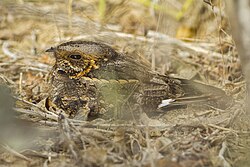
The Passeriformes is the largest order of birds, characterized by a foot structure adapted for perching. This group includes a staggering number of genera, such as Corvus (crows), Passer (sparrows), and Parus (tits). These birds are often distinguished by their complex songs and social behaviors.
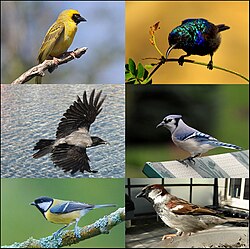
Specialized Passerine Groups
Within the passerines, we find the Laniidae (shrikes) represented by the genus Lanius, and the Sturnidae (starlings) represented by Sturnus and Acridotheres. Each genus has evolved specific beak shapes and foraging strategies to survive in their respective habitats.
Summary of Key Avian Groups
| Genus | Common Name/Group | Key Characteristic |
|---|---|---|
| Aquila | Eagles | Large raptors, powerful talons |
| Struthio | Ostrich | Flightless, largest living bird |
| Pygoscelis | Penguins | Flightless, aquatic specialists |
| Corvus | Crows/Ravens | Highly intelligent passerines |
| Archilochus | Hummingbirds | Nectar-feeding, hovering flight |
Frequently Asked Questions

What is a genus in bird taxonomy?
A genus is a taxonomic rank that groups together species that are structurally similar and closely related. It serves as an intermediate step between the family and the species.
Which bird order contains the most genera?
The Passeriformes (perching birds) contain the highest number of genera, encompassing a vast array of songbirds, crows, and flycatchers.
Are all flightless birds in the same genus?
No, flightless birds are spread across different orders and genera. For example, ostriches (Struthio) and penguins (Pygoscelis) belong to entirely different biological lineages.
How do ornithologists distinguish between different genera?
Ornithologists use a combination of morphological traits (such as beak shape and skeletal structure), behavioral patterns, and genetic analysis to define and separate genera.
What is the difference between Accipiter and Buteo?
Both are raptors, but Accipiter generally refers to hawks with shorter wings and longer tails for maneuvering through forests, while Buteo refers to buzzards with broader wings for soaring in open areas.