Arturo Illia: The Physician President of Argentina
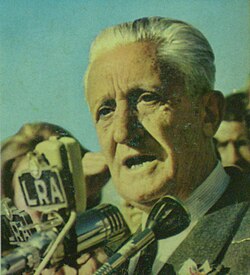
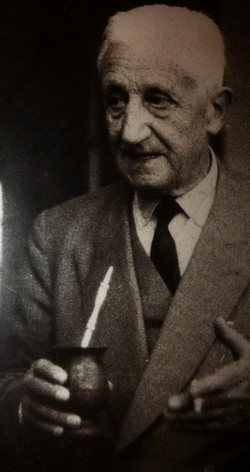
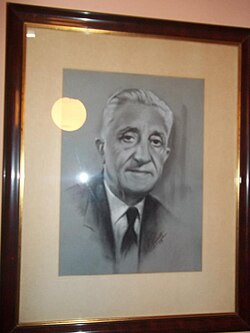
Arturo Umberto Illia remains one of the most distinct figures in Argentine political history. A physician by trade and a statesman by calling, Illia served as the 34th President of Argentina from 1963 to 1966. His presidency was defined by a commitment to constitutional legality, a push for industrial growth, and a persistent struggle against the military forces that eventually ended his term.
Before ascending to the presidency, Illia spent decades serving the people of Córdoba. In 1928, after an interview with President Hipólito Yrigoyen, Illia accepted a post as a railroad physician. This led him to the town of Cruz del Eje, where he practiced medicine for 30 years, balancing his professional duties with a growing passion for public service.
Key Facts
- Presidency: Served from October 12, 1963, to June 28, 1966.
- Political Party: Radical Civic Union (UCR).
- Economic Growth: Achieved nearly 10% real GDP growth in 1964 and 1965.
- Education: Launched the National Literacy Plan in 1964 to combat adult illiteracy.
- Overthrow: Removed from office by a military coup in June 1966.
Early Political Career and Rise to Power
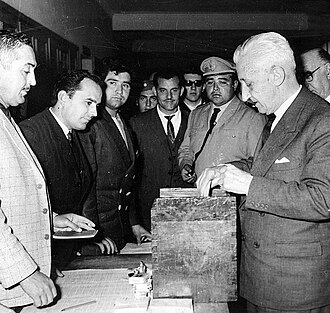
Illia's political journey began in the province of Córdoba. He was elected as a Provincial Senator for the Department of Cruz del Eje in 1935, where he championed the Law of Agrarian Reform. His rise continued in 1940 when he was elected Vice-Governor of Córdoba, a position he held until the dictatorship of General Pedro Ramírez took power in 1943.
Following a period of intense political instability and the military overthrow of President Arturo Frondizi in 1962, Argentina sought a return to constitutional rule. In the elections of July 1963, the ticket of Arturo Illia and Vice President Carlos Humberto Perette secured victory in the second round of voting with 270 electoral votes.
The Presidency (1963–1966)
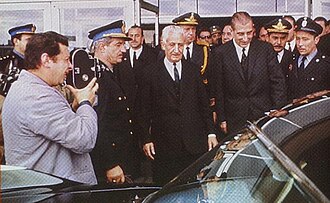
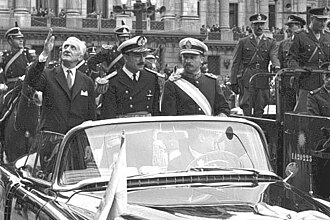
Upon assuming office on October 12, 1963, Illia sought to stabilize the nation through reconciliation. One of his most controversial first acts was the elimination of restrictions on Peronism (the political movement led by Juan Domingo Perón), emphasizing the restoration of constitutional political rights.
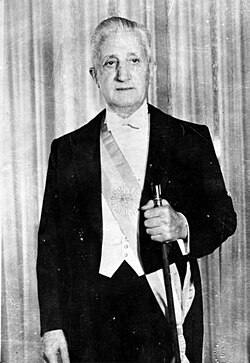
Economic Performance and Industrialization
Illia implemented a pro-growth strategy centered on import substituting industrialization—a policy designed to replace foreign imports with domestic production. This led to a significant boom in capital-intensive sectors such as chemicals, plastics, and steel. Motor vehicle production nearly doubled, rising from 105,000 units in 1963 to 195,000 by 1965.
Despite this growth, the administration faced challenges. While real wages grew by 9.6% in 1964 and unemployment dropped to 4.6% by 1965, the government struggled with persistent inflation and a high budget deficit, partly due to the freezing of public utility rates.
Petroleum Policy and International Tension
A defining and polarizing aspect of Illia's term was his petroleum policy. He annulled oil contracts from the previous Frondizi administration, deeming them "illegitimate and harmful" to national interests. While popular domestically, this move strained relations with the United States, leading to a sharp decrease in American aid from US$135 million in 1963 to US$21 million in 1964.
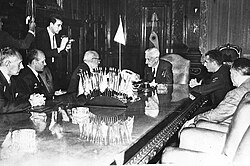
Education and Social Progress
Education became a cornerstone of Illia's national budget, with spending increasing from 12% in 1963 to 23% by 1965. The National Literacy Plan, launched in November 1964, established 12,500 educational centers to assist over 350,000 adults in overcoming illiteracy.
The 1966 Coup and Legacy
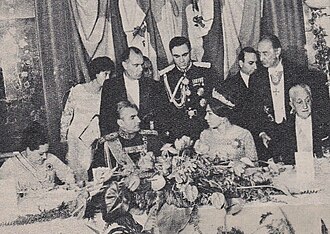
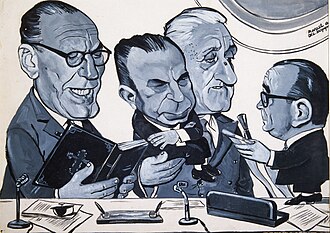
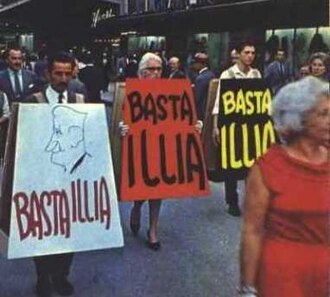
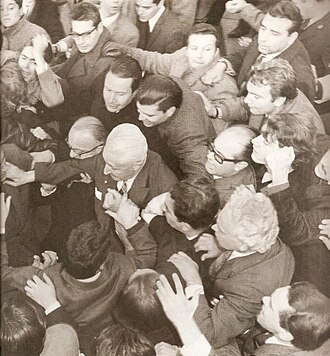
By 1966, the political climate had soured. Economic stagnation returned, and the media frequently amplified rumors of military unrest. Illia's relationship with the legislature deteriorated, and Congress refused to approve his 1966 budget. On June 28, 1966, Arturo Illia was overthrown in a military coup, succeeded by Juan Carlos Onganía.
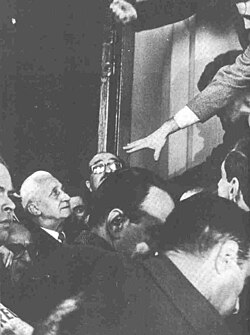
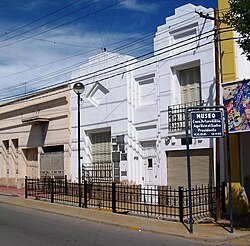
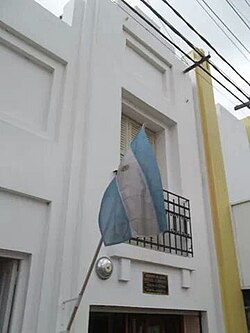
Following his presidency, Illia returned to a quieter life, though he remained a respected figure of democratic integrity. He passed away on January 18, 1983, at the age of 82. Today, his former home in Cruz del Eje serves as a National Historic Monument and museum.
| Category | Details |
|---|---|
| Term of Office | October 12, 1963 – June 28, 1966 |
| Key Economic Metric | ~10% GDP growth (1964-1965) |
| Major Social Initiative | National Literacy Plan |
| Primary Political Party | Radical Civic Union (UCR) |
| Outcome of Term | Military Coup (1966) |
Frequently Asked Questions
What was Arturo Illia's professional background?
Arturo Illia was a physician. He worked as a railroad doctor in various parts of Argentina and spent 30 years practicing medicine in Cruz del Eje, Córdoba.
How did Illia handle the Peronist movement?
Unlike previous administrations, Illia sought to restore constitutional rights by eliminating restrictions on Peronism and its allied parties shortly after taking office.
What was the impact of Illia's oil policy?
Illia annulled several oil contracts he considered illegal. While this was popular with the Argentine public, it caused a significant rift with the United States and led to a reduction in American financial aid.
What were the main achievements of his education policy?
Illia significantly increased the education budget and launched the National Literacy Plan in 1964, which provided educational support to more than 350,000 adults through thousands of centers.
Why was Arturo Illia removed from office?
Illia was removed by a military coup in June 1966. The coup was fueled by military contempt for his administration, economic stagnation in 1966, and a lack of legislative support for his budget.