Argentina in World War II: Neutrality, Espionage, and the Nazi Ratlines
During the global upheaval of World War II, Argentina occupied a complex and often controversial position. While the world was divided between the Allied and Axis powers, Argentina maintained a policy of neutrality for the vast majority of the conflict. This stance was not merely a diplomatic choice but a reflection of deep internal divisions within the Argentine military and political establishment.
Despite significant pressure from the United States to join the Allies, Argentina resisted until the final stages of the war. This hesitation, combined with a documented presence of Axis agents and sympathizers, fueled international perceptions that the nation was leaning toward the Axis powers.
Key Facts
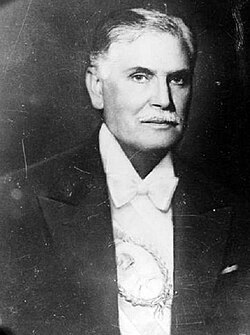
- Neutrality: Argentina remained neutral from 1939 until January 26, 1944, when it severed relations with the Axis.
- Declaration of War: A formal declaration of war against the Axis was finally issued on March 27, 1945.
- Nazi Presence: The Nazi party had a presence in Argentina as early as 1925, peaking at 2,110 members in 1935.
- The Ratlines: Approximately 5,000 Nazi war criminals escaped to Argentina, some arriving as late as 1950.
- Allied Volunteers: Despite official neutrality, 4,000 Argentines served in British armed services, including over 600 in the RAF and RCAF.
Pre-War Political Instability
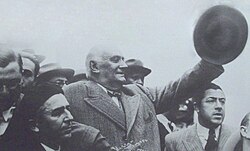
The road to World War II was paved with political turmoil. Following a 1930 military coup, General Uriburu attempted to reorganize Argentina along corporatist and fascist lines, banning political parties and suspending the 1853 Constitution. Although Uriburu stepped down in 1931, the subsequent elections were widely regarded as fraudulent.
Under the presidency of General Agustín P. Justo, political tensions remained high. The government frequently used states of siege and imprisonment to suppress opposition from the Unión Cívica Radical (UCR).
The Struggle for Neutrality (1939–1943)
![The cargo ship Victoria, which the German submarine U-201 damaged in error on 18 April 1942.[37]](/images/65/a6/65a65759a709eed1b01b8e1a6ef36596bc76a182043b8ff30d946c9d6ee3c1be.jpg)
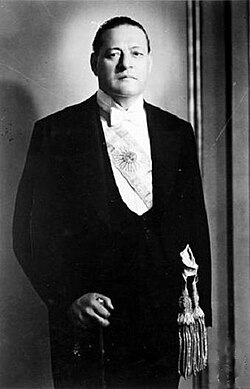
When war broke out on September 1, 1939, the government of Roberto M. Ortiz immediately proclaimed neutrality. To ensure this was upheld, a special commission was created under the Ministry of Foreign Affairs to monitor compliance.
The Battle of the River Plate
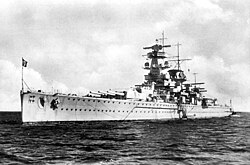
Early in the war, Argentina became a backdrop for naval conflict. The Battle of the River Plate occurred on December 13, 1939, involving the German pocket battleship Admiral Graf Spee, which was eventually scuttled by its captain after sustaining combat damage.
Failed Allied Alignment
In April 1940, Foreign Affairs Minister Cantilo proposed that Argentina, the U.S., and other Latin American states join the war as non-belligerent parties. However, the proposal leaked to the press, sparking outrage among nationalist groups and forcing the government to reaffirm its "most strict neutrality."
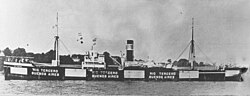
During this period, Argentine shipping suffered losses. The cargo ship Uruguay was scuttled by the German submarine U-37 in May 1940.
![The Argentine cargo ship Uruguay, stopped and scuttled by the German submarine U-37 on 27 May 1940[26]](/images/fc/0b/fc0b826f73e5794a4b0dc49f777aa3276d4e801b3f4aec2a1fa0392b945e4da7.jpg)
The 1943 Coup and the Shift in Power
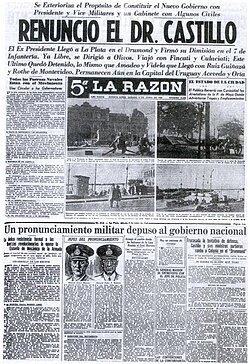
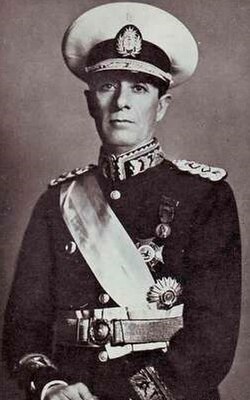
Internal instability peaked with the Revolution of '43 on June 4, 1943. This military coup brought to power figures like Pedro Pablo Ramírez, who was suspected of Axis sympathies. This era saw the rise of Juan Perón, who would later play a pivotal role in the country's post-war history.
Under pressure from the U.S.—which threatened accusations of Argentine involvement in a Bolivian coup and potential invasion—the military government finally broke diplomatic relations with the Axis on January 26, 1944.
Axis Espionage and the "Ratlines"
Buenos Aires served as a major hub for Axis espionage. Even after the official dissolution of the Nazi party in Argentina in 1939, operatives continued to work under the guise of German labor organizations.
The relationship between the Argentine military and the SS was formalized in May 1943 through a secret agreement with Walter Schellenberg, which protected Nazis from arrest. Furthermore, millions of Reichsmarks looted from Holocaust victims were transferred to Argentina, some reportedly deposited in the name of Eva Perón.
![Nazi supporters, evidently including Juan Perón (center), and potential undercover counterespionage agents (from Chile's international anti-Nazi probe)[63]](/images/bf/4d/bf4d3ebebd9170df1b8a81a122a64be859c8bd047f3c06445c0dc01f60496aad.jpg)
The Escape of War Criminals
Following the war, Argentina became a primary destination for the ratlines—escape routes used by Nazi officials to flee Europe. Juan Perón admitted to aiding these officials as a reaction to the Nuremberg trials, which he viewed as a "disgrace." Notable fugitives, including Adolf Eichmann, arrived as late as 1950.
The End of the War and Aftermath
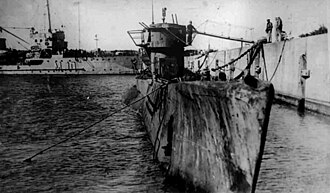
As Germany surrendered in May 1945, two U-boats, U-530 and U-977, fled to Mar del Plata rather than surrender to the Allies. Argentina eventually handed these vessels over to the U.S. military.
In later decades, Argentina began to confront this legacy. In 1992, President Carlos Menem declassified police files on Nazi fugitives, and in 2000, President Fernando de la Rúa issued a formal state apology for the nation's role in aiding war criminals.
| Date | Event/Status | Significance |
|---|---|---|
| September 1939 | Proclamation of Neutrality | Initial official stance at the start of the war. |
| May 1940 | Aborted Allied Proposal | Failed attempt to join the U.S. as a non-belligerent. |
| June 1943 | Military Coup | Rise of Axis-sympathetic military leadership. |
| January 26, 1944 | Severing of Relations | Diplomatic break with Axis powers under U.S. pressure. |
| March 27, 1945 | Declaration of War | Formal entry into the war against the Axis. |
Argentines in the Allied Effort
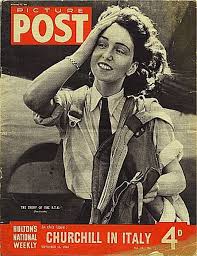
Despite the government's neutrality, many individuals took a personal stand. Approximately 4,000 Argentines served in the British armed forces. Over 600 volunteers joined the Royal Air Force (RAF) and Royal Canadian Air Force (RCAF), primarily within No. 164 (Argentine) squadron.
Frequently Asked Questions
Why did Argentina remain neutral for most of World War II?
Argentina's neutrality was driven by strong internal divisions and disputes within the military, as well as a desire to maintain diplomatic and economic autonomy despite pressure from the United States.
What were the "ratlines"?
The ratlines were escape routes, often facilitated by officials in Scandinavia, Switzerland, and Argentina, that allowed Nazi war criminals to flee Europe and avoid prosecution after the war.
Did the Argentine government support the Nazis?
While officially neutral, certain factions of the Argentine military and political leadership, including Juan Perón, showed sympathies toward the Axis and actively helped Nazi officials escape to Argentina.
How many Argentines fought for the Allies?
Roughly 4,000 Argentines served in the British armed services, with over 600 volunteering for the Royal Air Force and Royal Canadian Air Force.
When did Argentina finally declare war on the Axis?
Argentina declared war on the Axis powers on March 27, 1945, shortly before the end of the war in Europe.