Argentina 1963 General Elections: The Rise of Arturo Illia
On July 7, 1963, Argentina held general elections to determine its next President and members of the Chamber of Deputies. This pivotal moment in Argentine history occurred against a backdrop of intense military tension and political fragmentation, ultimately resulting in the victory of Arturo Illia of the People's Radical Civic Union (UCRP).
The election was characterized by a high voter turnout of approximately 85.5%, yet it was deeply shaped by the exclusion of the country's most influential political force: Peronism. The resulting landscape saw a divided electorate and a record number of blank ballots.
Key Facts
- Elected President: Arturo Illia (UCRP).
- Election Date: July 7, 1963.
- Voter Turnout: 85.50% for the presidency.
- Winning Vote: Arturo Illia secured 31.90% of the popular vote and 270 electoral votes.
- Legislative Result: The UCRP won the most seats in the Chamber of Deputies with 72.
- Peronist Influence: Juan Perón called for blank ballots, leading to the highest percentage of blank votes in Argentine history (19.41%).
Political Background and Military Intervention
The road to the 1963 election was fraught with instability. Following the coerced resignation of President Arturo Frondizi on March 29, 1962, the Argentine military stepped in. The military's intervention was triggered largely by the election of ten Peronists to gubernatorial posts, including Andrés Framini in Buenos Aires Province, which the armed forces found unacceptable.
Within the military, two factions emerged: the Azules (Blues), who sought to maintain a veneer of legality, and the Colorados (Reds), who favored a prolonged, repressive dictatorship. The "Blues" eventually prevailed, leading to the appointment of Senate President José María Guido as the interim Head of State.
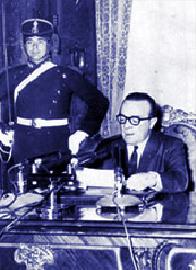
President Guido's tenure was marked by economic hardship. Under the guidance of economist Álvaro Alsogaray, the government implemented austerity measures and currency devaluation. These policies contributed to a 4% drop in GDP between 1962 and 1963 and pushed unemployment toward 9%.
The Presidential Race
The 1963 contest featured a fragmented field of candidates. The Radical Civic Union (UCR) remained split into two factions: the conservative People's Radical Civic Union (UCRP) and the center-left Intransigent Radical Civic Union (UCRI).
The Major Candidates
- Arturo Illia (UCRP): A country doctor and former Vice-Governor of Córdoba, Illia was chosen as a moderate alternative to attract a broader coalition.
- Oscar Alende (UCRI): Representing the center-left, Alende struggled due to internal party friction and the lack of endorsement from exiled leader Juan Perón.
- Pedro Aramburu (UDELPA): A former de facto president who campaigned on a staunchly anti-Peronist platform, using the slogan "Vote UDELPA...and HE won't return!"
The Peronist movement was in a state of paradox. While Juan Perón remained banned from the presidency and Senate, he exerted control from Madrid. He rejected "neo-Peronist" candidates and urged his followers to cast blank ballots as a sign of protest. Only one Peronist-aligned ticket, the Three Flags party led by Alejandro Leloir, was permitted on the presidential ballot.
Election Results
Arturo Illia emerged as the winner, though he did so with only a minority of the popular vote, reflecting the deep divisions of the era. The UCRP's strategy of presenting a less anti-Peronist image than their rivals proved successful.
| Candidate | Party | Popular Vote % | Electoral Votes |
|---|---|---|---|
| Arturo Illia | UCRP | 31.90% | 270 |
| Oscar Alende | UCRI | 20.82% | 86 |
| Pedro Aramburu | UDELPA | 17.81% | 74 |
| Blank Ballots | N/A | 19.41% | 3 |
Legislative Outcomes
The legislative elections mirrored the presidential results. The UCRP secured 72 seats in the Chamber of Deputies, followed by the UCRI with 40 seats and the UDELPA-PDP alliance with 27 seats. Other smaller parties, including Neoperonists and the Christian Democratic Party, also gained representation.
Frequently Asked Questions
Who won the 1963 Argentine general election?
Arturo Illia of the People's Radical Civic Union (UCRP) won the presidency, securing 31.90% of the popular vote and 270 electoral votes.
Why were there so many blank ballots in 1963?
The high number of blank ballots (19.41%) was primarily due to the exiled leader Juan Perón calling on his supporters to abstain from voting in elections he considered "less-than-free" and which banned Peronist candidates from the presidency.
What were the "Blues" and "Reds" in the Argentine military?
The "Blues" (Azules) were military officers who preferred to maintain a facade of constitutional legality during interventions, while the "Reds" (Colorados) favored a more direct and repressive military dictatorship.
What was the economic state of Argentina leading up to the election?
The country faced significant economic distress under interim President José María Guido, with GDP falling by 4% and unemployment rising to nearly 9% due to austerity measures and devaluation.
How did the legislative election result compare to the presidential one?
The legislative results were consistent with the presidential outcome, with the UCRP winning the largest share of seats (72) in the Chamber of Deputies, followed by the UCRI (40).