Arctic Alaska: The Geography and Ecology of the Far North
Arctic Alaska, often referred to as Far North Alaska, encompasses the northernmost reaches of the United States. This rugged region is defined by its proximity to the Arctic Ocean and its unique position relative to the Arctic Circle, creating a landscape of extreme seasonal shifts and breathtaking natural beauty.
Geographically, the region typically includes the North Slope Borough, the Northwest Arctic Borough, and the Nome Census Area, while occasionally extending to include portions of the Yukon-Koyukuk Census Area.
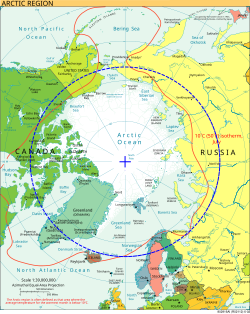
Key Facts
- Location: Northern Alaska, bordering the Arctic Ocean.
- Key Settlements: Utqiaġvik, Prudhoe Bay, Kotzebue, Nome, and Galena.
- Climate Phenomena: Experiences the midnight sun in summer and polar night in winter.
- Primary Ecosystem: Tundra covering coastal plains and mountain ranges.
- Major Industries: Historically gold mining and modern petroleum extraction.
Human Settlement and Accessibility
The region was originally inhabited by various Alaska Native groups who sustained themselves through whaling, hunting, and salmon fishing. In more recent history, the drive for modern settlement was sparked first by the discovery of gold and subsequently by the extraction of petroleum.
Due to the extreme environment, infrastructure is limited. Most communities in Arctic Alaska lack highway access and are reachable only via aircraft or snowmobile, depending on weather conditions.
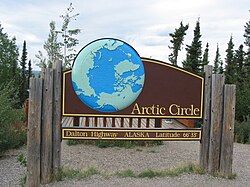
Ecology and Wildlife
The landscape is dominated by tundra—a vast, treeless plain where the subsoil is permanently frozen. This ecosystem spans mountain ranges and coastal plains, with the northern coast specifically categorized as the Arctic coastal tundra ecoregion.
This environment supports a variety of resilient wildlife, including:
- Bears and wolves
- Muskoxen and caribou
- Sheep
- Numerous species of migratory and resident birds
Protected Areas
To preserve this delicate balance, several major protected zones have been established, including the Arctic National Wildlife Refuge, Gates of the Arctic National Park and Preserve, Kobuk Valley National Park, and the National Petroleum Reserve–Alaska.
Regional Overview
| Category | Details |
|---|---|
| Administrative Areas | North Slope Borough, Northwest Arctic Borough, Nome Census Area, Yukon-Koyukuk (parts) |
| Notable Towns | Utqiaġvik, Prudhoe Bay, Kotzebue, Nome, Galena |
| Key Wildlife | Caribou, Muskoxen, Polar Bears, Wolves |
| Environmental Zones | Arctic coastal tundra ecoregion |
Frequently Asked Questions
Which towns are located in Arctic Alaska?
Notable towns include Utqiaġvik, Prudhoe Bay, Kotzebue, Nome, and Galena, though not all of these are located within the Arctic Circle proper.
How do people travel to these remote communities?
Because most of these communities have no highway access, they are primarily reached by aircraft or snowmobile during favorable weather.
What are the midnight sun and polar night?
The midnight sun is a phenomenon in the summer where the sun remains visible 24 hours a day, while the polar night is the winter phenomenon where the sun does not rise above the horizon.
What drove the modern settlement of the region?
Modern settlement was initially driven by the discovery of gold and later by the development of the petroleum extraction industry.
What kind of wildlife lives in the Arctic tundra?
The region is home to various animals including bears, wolves, sheep, muskoxen, caribou, and many species of birds.