Animal Flight and Gliding: The Evolution of Aerial Locomotion
Aerial locomotion—the ability to move through the air—is one of nature's most impressive feats. Whether through active powered flight, passive gliding, or the rare phenomenon of ballooning (also known as kiting), animals have developed specialized appendages to generate lift. This lift allows them to overcome their own body weight and carry payloads, such as prey or nesting materials, across the sky.
While most aerial animals are terrestrial, nature has produced fascinating exceptions, such as the aquatic flying fish. The ability to navigate the air has not evolved once, but many times through convergent evolution—a process where unrelated species independently evolve similar traits to adapt to similar environmental pressures.
Key Facts
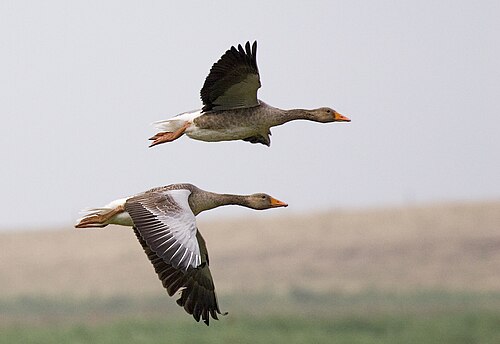
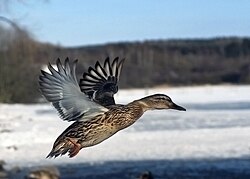
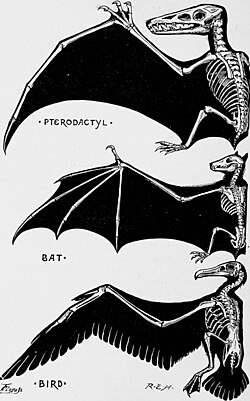
- Powered flight evolved independently in four main terrestrial groups: insects, pterosaurs, birds, and bats.
- Gliding is a controlled, prolonged free fall common among arboreal species, particularly in Asian rainforests.
- Kiting is used by silk-spinning arthropods, like spiders and caterpillars, for long-distance dispersal.
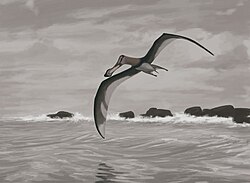
- Pterosaurs hold the record for the largest known flying animals in Earth's history.
- Aquatic flight is represented by flying fish and certain species of squid.
The Mechanics of Aerial Locomotion
Powered Flight
Powered flight requires the animal to expend energy to generate both lift and thrust. This is achieved through the flapping of wings, which are modified limbs or appendages. This complex biomechanical process has been mastered by insects, birds, bats, and the extinct pterosaurs.
Gliding and Parachuting
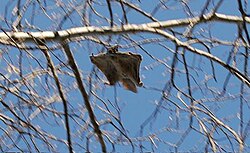
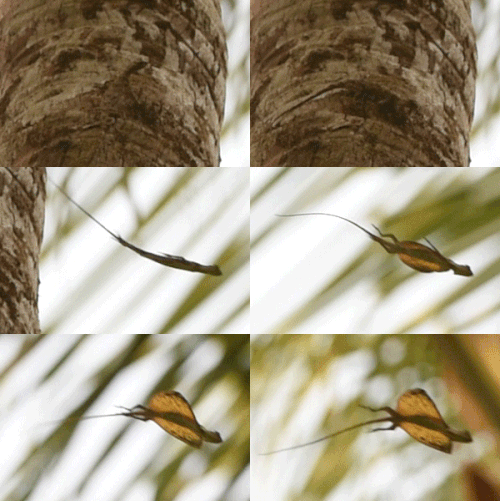
Unlike powered flight, gliding is an unpowered form of locomotion. Gliders use specialized membranes or body shapes to slow their descent and travel horizontally. This is especially prevalent in rainforests, where high canopies make descending to the ground costly and dangerous due to ambush predators.
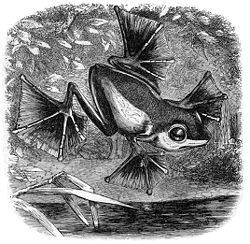
Various animals have adopted this strategy, including flying frogs, flying lizards, and flying snakes, often using it as an escape mechanism to evade predators.
Kiting and Ballooning
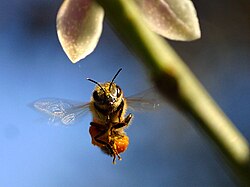
Kiting is a unique form of externally powered flight. Certain silk-spinning arthropods, such as spider mites and some caterpillars, release silk threads that catch the wind, allowing them to be carried over vast distances for dispersal.
Diverse Groups of Aerial Animals
Vertebrates
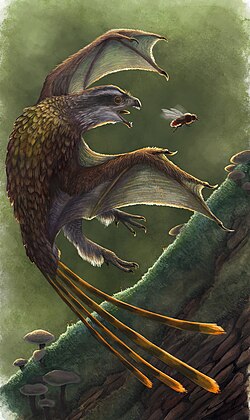
Among vertebrates, the evolution of flight has taken several paths. Birds and bats utilize powered flight, while pterosaurs once dominated the skies with massive wingspans. Some dinosaurs, such as Yi qi, evolved gliding capabilities.

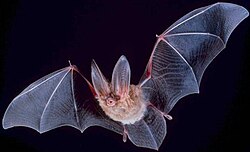
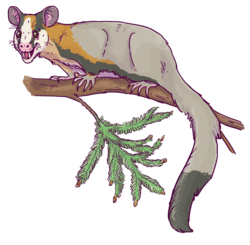
Mammals have also seen a wide array of adaptations. While bats are the only mammals capable of true powered flight, others like colugos, flying squirrels, and the extinct volaticotherids have mastered gliding.
Invertebrates and Aquatic Species
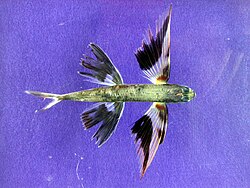
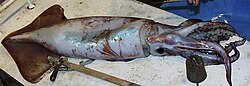
Insects were the first to take to the skies, utilizing a variety of wing structures. In the ocean, the flying fish uses enlarged pectoral fins to glide above the water's surface to escape predators, and certain squid have been observed performing similar aerial leaps.
Evolutionary Timeline and Examples
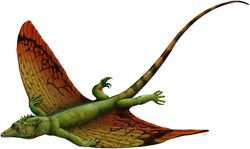
The history of aerial locomotion spans millions of years. From the Late Permian gliding vertebrates like Weigeltisaurus jaekeli to the Middle Jurassic gliding dinosaurs, the drive to conquer the air has been a recurring theme in evolution.
| Type | Mechanism | Example Animals | Primary Purpose |
|---|---|---|---|
| Powered Flight | Active wing flapping | Birds, Bats, Insects, Pterosaurs | Migration, Hunting, Foraging |
| Gliding | Passive lift/membrane use | Flying Squirrels, Draco Lizards, Flying Fish | Predator Escape, Tree-to-Tree Travel |
| Kiting | Wind-borne silk threads | Spiders, Spider Mites | Long-distance Dispersal |
Specialized Gliders
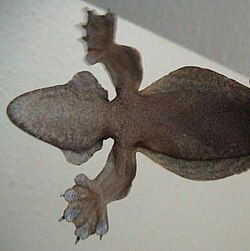
- Reptiles: The Draco lizard and Kuhl's flying gecko use skin flaps to glide.
- Amphibians: Flying frogs utilize oversized webbing to navigate the canopy.
- Mammals: Volaticotherids predated bats as mammalian aeronauts by at least 110 million years.
Frequently Asked Questions
What is the difference between powered flight and gliding?
Powered flight involves the active use of muscles to flap wings, creating both lift and forward thrust. Gliding is a passive form of locomotion where an animal uses a membrane or body shape to slow its fall and travel horizontally without flapping.
Which animals are capable of kiting?
Kiting, or ballooning, is primarily seen in silk-spinning arthropods, including various species of spiders, spider mites, and some caterpillars, who use silk to catch wind currents.
Did dinosaurs fly?
Yes, some non-avian dinosaurs evolved gliding capabilities, such as the scansoriopterygid Yi qi. Additionally, birds are the modern descendants of theropod dinosaurs.
How do flying fish "fly"?
Flying fish do not engage in powered flight; instead, they use powerful tails to launch themselves from the water and enlarged pectoral fins to glide for significant distances to evade predators.
Why did gliding evolve so frequently in rainforests?
The height of rainforest trees makes descending to the ground time-consuming and risky due to the density of groundcover and the presence of ambush predators, making gliding an efficient way to travel between trees.