Ancient Egyptian Nomes: The Administrative Divisions of Upper and Lower Egypt
In the complex governance of the Nile Valley, the nomes (known in Ancient Egyptian as sepat and in Coptic as ⲡⲑⲱϣ) served as the primary administrative districts. These divisions organized the land into manageable regions, each with its own capital, presiding deity, and distinct identity. The Egyptian state was split into two primary regions: Lower Egypt in the north (the Delta) and Upper Egypt in the south (the Nile Valley).
Key Facts
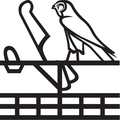
- Nomes were the provincial administrative units of Ancient Egypt.
- Lower Egypt consisted of 20 primary nomes, while Upper Egypt consisted of 22.
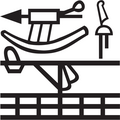
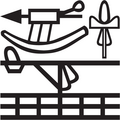
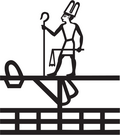
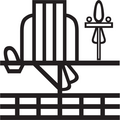
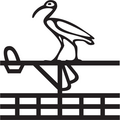
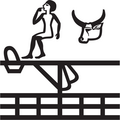
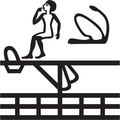
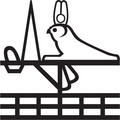
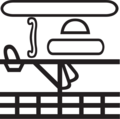
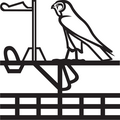
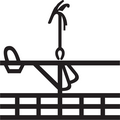
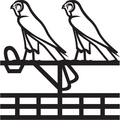
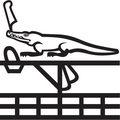
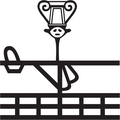
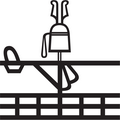
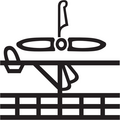
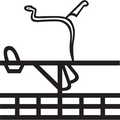
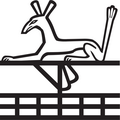
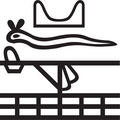
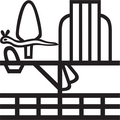
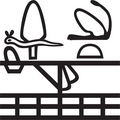
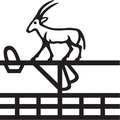
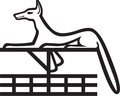
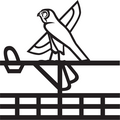
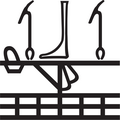
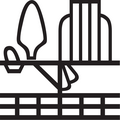
- Each nome was associated with a specific Nome Standard, a symbolic emblem often depicted atop a human head.
- Every district had a designated capital city and a patron god who served as the spiritual protector of the region.
- The names of these districts often reflected geographical features, animals, or religious symbols.
Lower Egypt: The Northern Delta
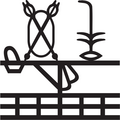
Lower Egypt, characterized by the fertile marshes of the Nile Delta, was divided into 20 nomes. These regions were often named after local landmarks or the deities that dominated the landscape.
The first nome, Inebu-hedj (the White Walls), was centered at Memphis, the historic capital and seat of the god Ptah. Other significant districts included the 5th nome, Nit Meḥtet, centered at Sais and dedicated to the goddess Neith, and the 13th nome, Heka-Adj, which housed the solar center of Heliopolis under the god Ra.
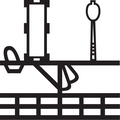
The northern districts also featured specialized roles; for instance, the 20th nome, Sopdu, extended toward Arabia and was dedicated to the deity Sopdet. The administrative structure of the Delta was deeply intertwined with the worship of gods like Horus, Isis, and Amun-Ra, who appeared as patrons across various northern districts.
Upper Egypt: The Southern Valley

Upper Egypt stretched from the First Cataract in the south up toward the Delta. It was divided into 22 nomes, reflecting a more elongated geographical distribution along the river.
The southernmost district, the 1st nome Ta-Seti (Land of the Bow), was centered at Elephantine (modern Aswan) and dedicated to the creator god Khnum. Moving north, the 4th nome, Waset, encompassed the magnificent city of Thebes (modern Luxor), the center of power for Amun-Ra.
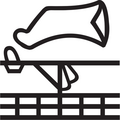
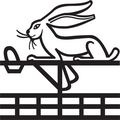
Upper Egyptian nomes often utilized nature-based symbolism. For example, the 6th nome Iqer was associated with the crocodile, while the 15th nome Wenet was symbolized by the hare and centered at Hermopolis Magna, the city of Thoth.
Summary of Major Nomes and Deities

| Region | Nome Number | Nome Name | Capital | Patron God |
|---|---|---|---|---|
| Lower Egypt | 1 | Inebu-hedj | Memphis | Ptah |
| Lower Egypt | 13 | Heka-Adj | Heliopolis | Ra |
| Upper Egypt | 1 | Ta-Seti | Elephantine | Khnum |
| Upper Egypt | 4 | Waset | Thebes | Amun-Ra |
| Upper Egypt | 15 | Wenet | Hermopolis Magna | Thoth |
Regional Symbolism and Governance
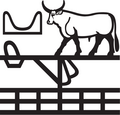
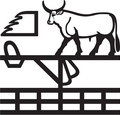
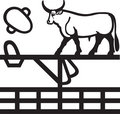
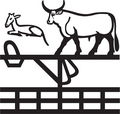
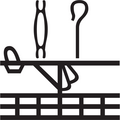
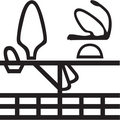
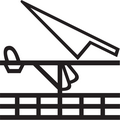
The use of Nome Standards was not merely decorative; these symbols represented the religious and political identity of the district. In Lower Egypt, symbols like the "Cow's thigh" (Nome 2) or the "Mountain bull" (Nome 6) identified the local authority. In Upper Egypt, symbols such as the "Sceptre" (Nome 4) or the "Viper mountain" (Nome 12) served a similar purpose.
The capitals of these nomes served as hubs for tax collection, judicial proceedings, and religious festivals. Many of these sites, such as Edfu (Nome 2) and Dendera (Nome 6), remain vital archaeological sites today, preserving the legacy of the gods who once governed these administrative boundaries.
Frequently Asked Questions







What is a nome in Ancient Egypt?
A nome was an administrative district or province used to organize the land and population of Ancient Egypt for governance, taxation, and religious purposes.
How many nomes were there in total?
There were 42 primary nomes in total: 20 in Lower Egypt and 22 in Upper Egypt.
What was the purpose of the Nome Standard?
The Nome Standard was a symbolic emblem that represented the specific identity and patron deity of a particular district, often appearing in official art and processions.
Which god was associated with the capital of the 4th nome of Upper Egypt?
The 4th nome of Upper Egypt, Waset (Thebes), was dedicated to the god Amun-Ra.
What does the name "Ta-Seti" mean?
Ta-Seti, the 1st nome of Upper Egypt, translates to "Land of the Bow."