Americana Music: The Evolution of American Roots Sound
Americana is a broad term used to describe roots or traditional music born from the confluence of the diverse musical traditions that define the United States. While it draws from various sources, there is a particular emphasis on music historically developed in the American South. Rather than being a single, rigid style, Americana represents a tapestry of sounds that blend the raw energy of the countryside with the poetic depth of urban songwriting.
The Americana Music Association (AMA) defined the genre in 2020 as the "rich threads of country, folk, blues, soul, bluegrass, gospel, and rock in our tapestry." While acoustic instruments are often vital to the sound, the genre frequently employs full electric bands, creating a distinctive roots-oriented sound that exists apart from the pure forms of its parent genres.
Key Facts
- Core Influences: Country, folk, blues, soul, bluegrass, gospel, and rock.
- Defining Body: The Americana Music Association (AMA), formed in 1999.
- Key Eras: Roots in the early 20th century, folk revival in the 1940s-60s, and the rise of alt-country in the 1990s.
- Mainstream Recognition: Officially added to the Merriam-Webster dictionary in 2011.
- Global Reach: Significant growth in Europe, including the Euro Americana Chart.
The Roots of the Sound
The prehistory of Americana dates back to the early 20th century. Rural musicians began blending folk, blues, and country, utilizing acoustic instruments like the banjo, fiddle, guitar, and upright bass. These early songs typically focused on the hardships and daily struggles of everyday American life.
The Folk Music Revival
The American folk music revival began in the 1940s and reached its peak in the mid-1960s. In New York City, a renewed interest in square and folk dancing—promoted by instructors like Margot Mayo—provided a platform for musicians such as Pete Seeger.
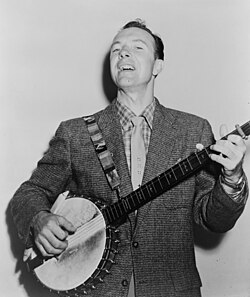
The movement gained commercial momentum with The Weavers, formed in 1948 by Pete Seeger, Lee Hays, Fred Hellerman, and Ronnie Gilbert. This success paved the way for the Kingston Trio and Joan Baez, whose 1960 debut album spent over two years on the Billboard charts. This era saw the rise of the "singer-songwriter," with artists like Phil Ochs, Judy Collins, and John Denver creating personal, poetic works.
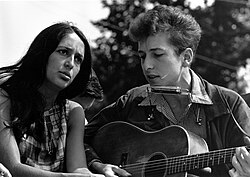
Many of these artists were inspired by Harry Smith's 1951 Folkways Anthology of American Folk Music, which compiled obscure "race" and "hillbilly" recordings from the 1920s and 30s. This led to the "rediscovery" of traditionalists like Doc Watson and The Stanley Brothers at the Newport Folk Festivals of 1963 and 1964.
The Shift to Electric: Folk Rock and Alt-Country
By the 1960s, the folk revival began incorporating rock and roll elements. Bob Dylan and the Byrds were pivotal in this transition, blending traditional sounds with electric guitars and drums to create folk rock.
A landmark moment occurred on January 20, 1965, when the Byrds recorded Bob Dylan's "Mr. Tambourine Man." The track's jangling 12-string Rickenbacker guitar and clear harmony singing created a template for the subgenre. The song became a massive hit in both the U.S. and UK, encouraging other acts like Simon & Garfunkel and Buffalo Springfield to adopt electric instrumentation.
The Rise of Alternative Country
In the 1990s, "alternative country" (or alt-country) emerged as a reaction against the polished, pop-centric production of the Nashville music industry. These artists favored a lo-fi sound infused with punk and rock and roll aesthetics, drawing inspiration from Woody Guthrie, Hank Williams, and The Carter Family.
This movement was influenced by country rock—pioneered by innovators like Gram Parsons (who called his style "Cosmic American Music"), Michael Nesmith, and Steve Earle—and the DIY energy of punk rock. Early attempts to merge these styles appeared in the 1980s with Nashville's Jason and the Scorchers and the Southern Californian "cowpunk" scene featuring bands like X.

The genre fully coalesced with Uncle Tupelo's 1990 album No Depression, which is widely regarded as the first alt-country album and gave its name to a defining magazine of the movement.
Modern Americana and Global Expansion
The 1990s and 2000s saw a resurgence of interest in traditional sounds. Artists such as Wilco, Lucinda Williams, and Gillian Welch helped popularize a blend of rock, folk, country, and blues. This shift was partly driven by industry outsiders in Nashville, California, and Texas who wanted to create a marketplace for traditionally minded songwriters like Guy Clark and Jim Lauderdale.
To support this growing community, the Americana Music Association was formed in 1999 as a non-profit trade organization to boost the visibility and economic viability of roots music.
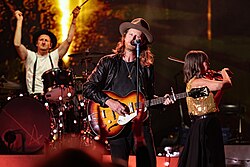
In the 2010s, the genre moved from a niche market to the mainstream, with bands like Mumford and Sons, The Avett Brothers, and The Lumineers achieving significant Billboard chart success.
Expanding Definitions and International Reach
Americana continues to evolve, incorporating more R&B and soul. It has also found a strong following in Europe, with Dutch artists like Ad Vanderveen and The Common Linnets contributing to the scene. However, the growth has led to some debate; Rolling Stone noted an "identity crisis" in 2017 regarding the genre's definition and ethnic diversity.
In 2014, Dale Watson introduced the term "Ameripolitan" to categorize honky tonk, outlaw, Western swing, and rockabilly, arguing these styles had diverged too far from modern Americana or country music.
Americana on the Airwaves
The Americana radio format is often traced back to KFAT in Gilroy, California (1975–1983), followed by stations like KHIP and KPIG. Another influential start was KCSN in Northridge, California, in 1984. The format was further solidified in the mid-1990s by radio promoters who used "Americana" to describe a mix of country, folk, honky tonk, cajun, and blues.
| Era/Movement | Key Influences | Defining Characteristics | Notable Artists |
|---|---|---|---|
| Early Roots | Folk, Blues, Country | Acoustic instruments, stories of hardship | Rural American musicians |
| Folk Revival | Traditional Folk, Square Dance | Singer-songwriters, acoustic focus | Pete Seeger, Joan Baez |
| Folk Rock | Folk, Rock and Roll | Electric guitars, harmony singing | Bob Dylan, The Byrds |
| Alt-Country | Country, Punk, Rock | Lo-fi production, DIY attitude | Uncle Tupelo, X |
| Modern Americana | Soul, R&B, Roots | Mainstream appeal, global reach | The Lumineers, Wilco |
Frequently Asked Questions
What exactly is Americana music?
Americana is a general term for roots-oriented music that blends various American traditions, including country, folk, blues, soul, bluegrass, gospel, and rock. It is characterized by a sound that is distinct from the pure forms of these individual genres.
When did the term "Americana" become popular?
While the music has deep roots, the term "Americana" came into fashion as a descriptive musical phrase in the mid-1990s, used by radio promoters and industry figures to carve out a marketplace for traditionally minded songwriters.
What is the difference between Americana and Alt-Country?
Alternative country emerged in the 1990s as a more specific movement that rejected the polished production of mainstream Nashville country, often incorporating punk and rock aesthetics. Americana is a broader umbrella term that encompasses alt-country along with other roots traditions.
Who founded the Americana Music Association?
The Americana Music Association was formed in 1999 as a not-for-profit trade organization to advocate for American Roots Music and provide an infrastructure for artists, labels, and radio stations.
Is Americana music only popular in the United States?
No, the genre has grown significantly in international popularity, particularly in Europe. This is evidenced by the Euro Americana Chart and the success of artists from countries like the Netherlands.