Ablution in Christianity: Ritual Purification and Spiritual Cleansing
In the Christian tradition, ablution refers to the prescribed washing of the body, clothing, or ceremonial objects. Far more than a matter of simple hygiene, these acts are performed with the intent of spiritual purification or dedication. From the foundational rite of baptism to the humble act of footwashing, water serves as a powerful symbol of the separation from sin and a total surrender to the Lord.
The practice of ritual washing is deeply rooted in biblical history, bridging the gap between ancient Jewish customs and the development of early Christian liturgy. Whether occurring in a grand cathedral or a private prayer space, ablution marks the transition from the profane to the sacred.
Key Facts
- Purpose: Ablution is used for spiritual purification, dedication, and as a prerequisite for approaching the divine.
- Core Rites: Baptism and footwashing are the most prominent forms of Christian ablution.
- Biblical Roots: The practice draws from Old Testament requirements for purity before sacrifice or entering holy places.
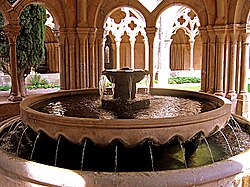
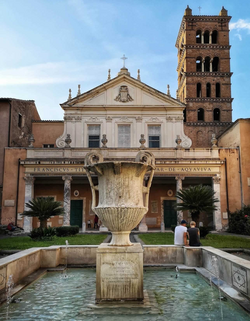
- Architectural Impact: Early churches often featured a cantharus (a water fountain) in the atrium for worshippers to wash before entering.
- Liturgical Use: In many traditions, ablution includes the purification of fingers or vessels used during the Eucharist.
Biblical Foundations of Washing
The Bible contains numerous references to washing, ranging from ritual requirements to symbolic gestures. In the Old Testament, ablution was considered essential before offering sacrifices, praying, or entering a holy site. This is seen in the requirements for Aaron and his sons to wash before approaching the altar, where water symbolized expiation.
In the New Testament, washing appears in various contexts:
- Healing and Care: Jesus' healing actions sometimes involved washing, and the text mentions the preparation of bodies for burial and the cleansing of wounds.
- Symbolic Innocence: Pontius Pilate famously washed his hands to symbolically claim innocence regarding the blood of Jesus, a practice common among Greeks and Romans of the time.
- Ritual Excess: The Gospel of Mark notes that Pharisees practiced ceremonial ablutions to a great extent, sometimes washing "up to the elbow" (referred to in Greek as pygmē).
- Temple Entry: The Book of Acts records Paul purifying himself before entering the Temple in Jerusalem to signify the completion of purification days.
The Evolution of Christian Washing Practices
Early Church Traditions
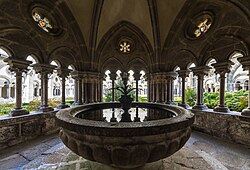
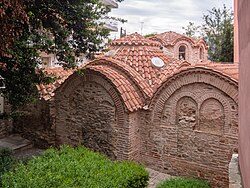
Around the time of the early Church Father Tertullian, it was customary for Christians to perform manulavium (washing of the hands), capitilavium (washing of the head), and pedilavium (washing of the feet) before prayer and Holy Communion. To facilitate this, churches built during the era of Constantine the Great included an exonarthex with a cantharus, allowing the faithful to purify themselves before entering the worship space.
The Lavabo and Eucharistic Ablution
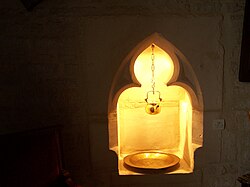
In liturgical settings, the lavabo (Latin for "I wash myself") is a ritual vessel used for handwashing. In Western and Eastern traditions, ablution also refers to the purification of the priest's fingers or the sacred vessels used during the Eucharist to ensure that no part of the consecrated elements remains.
Baptism and Epiphany
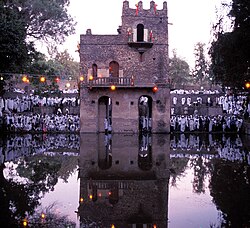
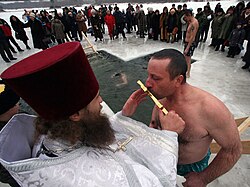
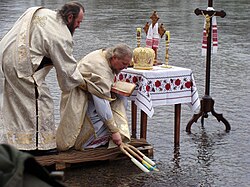
Baptism stands as the primary ablution in Christianity, symbolizing the washing away of sin. In many Orthodox nations, this theme is celebrated during Epiphany, where water and baptismal rites are central to the festivities, often involving the blessing of natural bodies of water.
Specific Traditions and Rituals
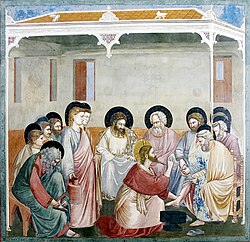
Footwashing (Mandatum)
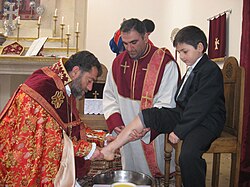
Based on the example of Christ washing the Apostles' feet, many churches practice footwashing as a rite of humility. In some traditions, this occurs on Maundy Thursday (from the Latin mandatum, meaning "commandment"), recalling Christ's instruction to imitate His loving humility.
Oriental and Eastern Orthodox Practices
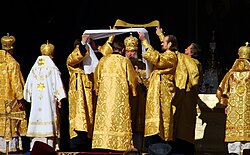
Oriental Orthodox Christians, such as Copts, maintain strict washing rituals, including washing the hands and face before praying the canonical hours at seven fixed times. In some Orthodox churches, worshippers continue the tradition of removing shoes and washing their feet before entering the sanctuary.
Washing for the Dead
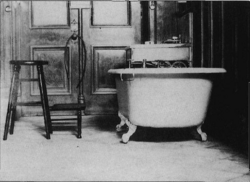
Ablution also extends to the deceased. The practice of washing and anointing the body is a common ritual of preparation for burial across various denominations.
Summary of Christian Ablution Types
| Type of Ablution | Primary Purpose | Common Context |
|---|---|---|
| Baptism | Spiritual rebirth and cleansing of sin | Initiation into the faith |
| Footwashing | Humility and service | Maundy Thursday / Rituals of service |
| Lavabo | Ritual purity of the celebrant | Before or during the Eucharist |
| Cantharus | Preparation for worship | Entry into early basilicas/Orthodox churches |
| Anointing | Dedication and preparation | Burial rites or specific temple ceremonies |
Frequently Asked Questions
What is the difference between hygiene and ablution?
While hygiene focuses on physical health and cleanliness, ablution is a ritual act. Its primary purpose is spiritual purification, dedication, or the symbolic removal of sin to prepare a person for a sacred encounter.
Why did early churches have fountains at the entrance?
These fountains, known as canthari or phialae, allowed worshippers to wash their hands, face, and feet. This practice symbolized a separation from the sins of the world before entering the presence of God in the sanctuary.
What is the significance of the "mandatum" in footwashing?
The term comes from the Latin word for "commandment." It refers to the new commandment given by Jesus to love one another, which is physically enacted through the humble act of washing another person's feet.
How is ablution used during the Eucharist?
In liturgical churches, ablution refers to the ritual cleansing of the priest's fingers and the sacred vessels (such as the chalice) to ensure that all consecrated elements are properly consumed or purified.
Do all Christian denominations practice ritual washing?
No. While baptism is nearly universal, other forms of ablution like footwashing or the use of a lavabo vary significantly between Catholic, Orthodox, Protestant, and other Christian traditions.