2009 Jeux de la Francophonie: A Celebration of Sport and Culture in Beirut
The 2009 Jeux de la Francophonie (6th Francophone Games) was a prestigious international multi-sport and cultural event held in Beirut, Lebanon. Taking place from September 27 to October 6, 2009, the games served as a vibrant intersection of athletic prowess and artistic expression, bringing together nations that share the French language and values.
Under the motto "Solidarité, Diversité, Excellence" (Solidarity, Diversity, Excellence), the event showcased the unity of the Francophone world. The games were officially opened by President Michel Sleiman, marking a significant moment for Lebanon's international image.
Key Facts
- Host City: Beirut, Lebanon
- Dates: 27 September – 6 October 2009
- Participants: Approximately 2,500 athletes from 40 nations
- Scope: 6 sports and 7 cultural events
- Main Venue: Camille Chamoun Sports City Stadium
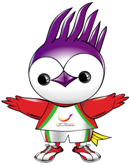
- Mascot: Cédrus, a stylized phoenix
Organization and Funding
The management of the games was handled by the Comité National des Jeux Francophones (CNJF), the local organizing committee. The CNJF operated under the supervision of the Comité international des Jeux de la Francophonie (CIJF), an international body. The CNJF was responsible for critical logistics, including athlete accommodation, transportation, medical services, security, and the accreditation process.
Financial support for the event came from various sources, including Canada, a consistent supporter of the Organisation internationale de la Francophonie. In September 2009, Josée Verner, the Minister of Intergovernmental Affairs and La Francophonie, confirmed a Canadian contribution of $1 million toward the costs of the games.
Symbolism: The Mascot and Logo
The official mascot of the 2009 Games was Cédrus, a stylized phoenix rendered in the colors of the International Organization of the Francophonie. Designed by Lebanese caricaturist Armand Homsi, the phoenix served as a symbol of rebirth and resilience. The name "Cédrus" was chosen through a public contest won by Lebanese citizen Lara Akiki.
Venues and Infrastructure
Beirut and surrounding coastal cities provided a diverse array of venues for the competitions. The Camille Chamoun Sports City Stadium served as the centerpiece, hosting the opening ceremony, boxing (at the Pierre Gemayel facility), and the finals for soccer and athletics.
Sports Venues
- Soccer: Rafic Hariri Stadium (Sidon) and Beirut Municipal Stadium.
- Basketball (Female): Sporting Al Riyadi Beirut arena.
- Table Tennis: Homenetmen Beirut club facilities.
- Judo: Michel el-Murr Stadium in Bauchrieh.
- Beach Volleyball: The beaches of Byblos.
Cultural and Residential Venues
The Lebanese University campus at Hadath acted as the "Francophone Village," providing dormitories for all delegations and facilities for training. Cultural competitions were spread across several prestigious sites:
- UNESCO Palace: Dance, painting, photography, and sculpture.
- Université Saint-Joseph (Abou Khater and Béryte theaters): Preliminary rounds for song and literature.
- BIEL and Casino du Liban: Final phases of song and literature competitions.
Security and Political Context
The games took place during a period of political instability regarding the formation of the Lebanese government. Despite fears of internal turmoil, Interior Minister Ziad Baroud and Prime minister-designate Saad Hariri emphasized that the event would project a positive image of Lebanon to the world. Security was tight, with thousands of police and soldiers deployed across venues and the Francophone Village to ensure the safety of the participants.
The Opening and Closing Ceremonies
The opening ceremony was a global spectacle, reaching an estimated 70 million television viewers. It featured military displays by the Lebanese Army and the Internal Security Forces marching band. The parade of nations was accompanied by music composed by Khaled Mouzannar, and the OIF flag was carried by Maxime Chaya, the first Lebanese mountaineer to climb the Seven Summits.
A massive sound and light show, produced by Daniel Charpentier, utilized a 9,000 square meter screen to depict 6,000 years of Lebanese history—from the Phoenician city-states of Byblos, Tripoli, Sidon, and Tyre to the Roman relics of Baalbek. The ceremony concluded with a performance by Majida El Roumi and Senegalese artist Youssou N'Dour.
The closing ceremony, held at BIEL in downtown Beirut, shifted toward a musical celebration. It included a classical concert led by Harout Fazlian, opera performances of Mozart's Bastien und Bastienne by Eliya Francis and Cynthia Samaha, and a pop concert by Ragheb Alama, ending with an electronic set by DJ Rio Tony-T and Antoine Clamaran.
Athletic and Cultural Achievements
The games saw several record-breaking performances. Canadian athlete Jared MacLeod set a new games record in the 110 meters hurdles, while Morocco's Yahya Berrabah established both a games and national record in the men's long jump. Other records were set in the javelin throw by Ihab Al Sayed Abdelrahman (Egypt) and Lindy Leveau-Agricole (Seychelles), and in the women's hammer throw by Manuela Montebrun (France).
| Category | Details |
|---|---|
| Host | Beirut, Lebanon |
| Participants | ~3,000 participants from 46 countries/governments |
| Sports Events | 6 Sports (including Athletics, Soccer, Judo, Basketball) |
| Cultural Events | 7 Contests (including Song, Literature, Painting, Dance) |
| Key Records | New records in 110m hurdles, long jump, javelin, and hammer throw |
Frequently Asked Questions
Who was the mascot of the 2009 Jeux de la Francophonie?
The mascot was Cédrus, a stylized phoenix designed by Armand Homsi and named through a contest won by Lara Akiki.
Which venue hosted the opening ceremony?
The opening ceremony took place at the Camille Chamoun Sports City Stadium in Beirut.
How many countries participated in the games?
Around 3,000 participants from 46 countries/governments competed, including 43 full members of the OIF, two associate members (Armenia and Cyprus), and Mozambique as an observer.
What were the cultural competitions included in the event?
The cultural program featured seven events, including competitions in song, literature, painting, photography, sculpture, and dance.
Did any athletes break records during the 2009 games?
Yes, records were broken in the 110 meters hurdles (Jared MacLeod), men's long jump (Yahya Berrabah), men's and women's javelin throw (Ihab Al Sayed Abdelrahman and Lindy Leveau-Agricole), and women's hammer throw (Manuela Montebrun).