1968 United States Presidential Election: A Nation Divided
The 1968 United States presidential election took place during a period of intense social and political upheaval. Marked by the Vietnam War, civil rights struggles, and high-profile assassinations, the contest saw a three-way split in the electorate that fundamentally reshaped the American political landscape.
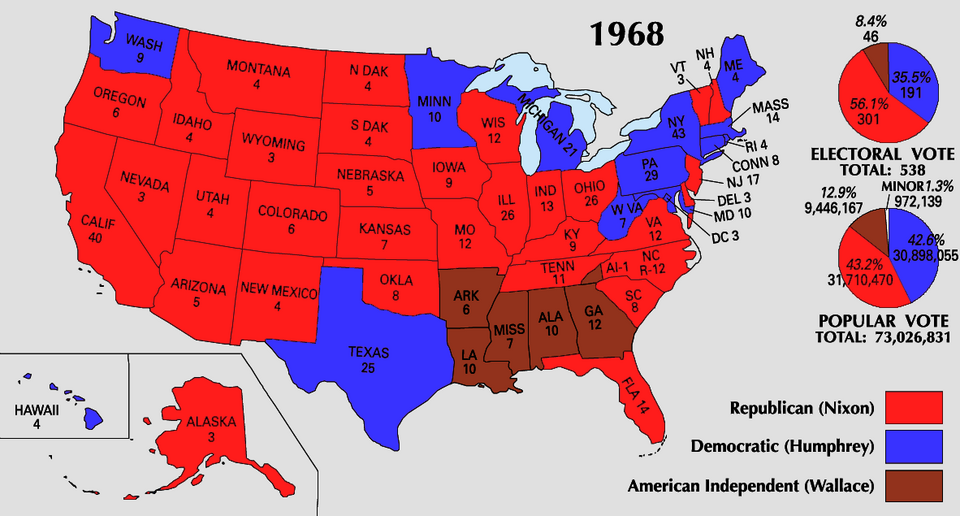
The election culminated on November 5, 1968, with Richard Nixon of the Republican Party emerging victorious over the Democratic nominee, Hubert Humphrey, and the third-party challenger, George Wallace of the American Independent Party.
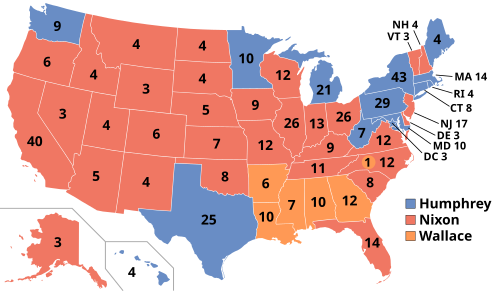
Key Facts
- Winner: Richard Nixon (Republican) with 301 electoral votes.
- Runner-up: Hubert Humphrey (Democratic) with 191 electoral votes.
- Third Party: George Wallace (American Independent) won 46 electoral votes.
- Popular Vote: Richard Nixon won 43.42% of the vote, followed closely by Hubert Humphrey at 42.72%.
- Tipping Point: Ohio served as the tipping point state for Nixon's victory.
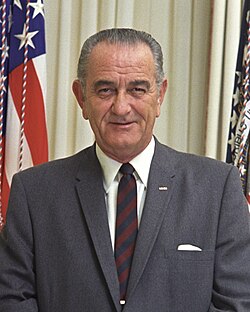
- Incumbent Withdrawal: President Lyndon B. Johnson announced his withdrawal from the race on March 31, 1968.
The Path to Nomination
The Republican Party
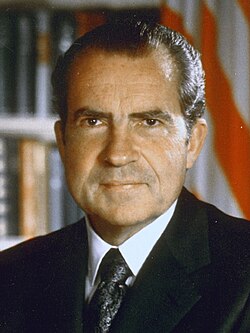
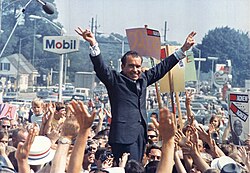
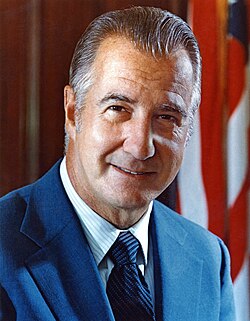
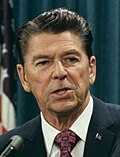
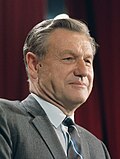
The Republican nomination was a contest between several prominent figures, including Ronald Reagan and Nelson Rockefeller. Richard Nixon, the 36th Vice President of the United States, eventually secured the nomination. He selected Spiro Agnew, the 55th Governor of Maryland, as his running mate.

The Democratic Party
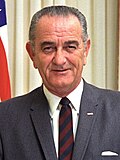
The Democratic nomination was fraught with turmoil. The race began with a challenge to incumbent President Lyndon B. Johnson from Senator Eugene McCarthy. Following a series of events, President Johnson delivered a speech on March 31 announcing his withdrawal from the race.
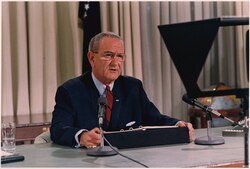
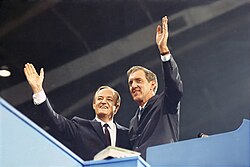
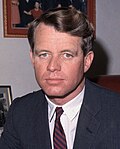
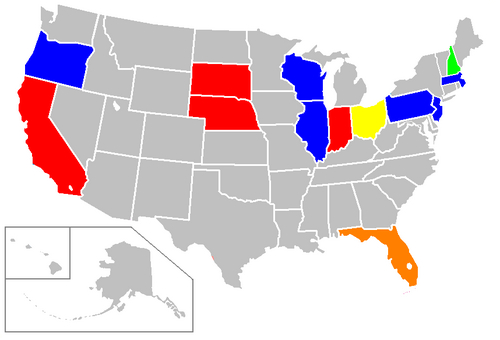
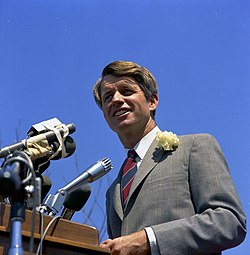
The race then saw the rise of Senator Robert F. Kennedy, who campaigned vigorously until his assassination on June 5, 1968. Ultimately, Vice President Hubert Humphrey won the nomination, selecting Senator Edmund Muskie of Maine as his running mate. The nomination process was overshadowed by significant antiwar protests during the Democratic National Convention in Chicago.
The American Independent Party
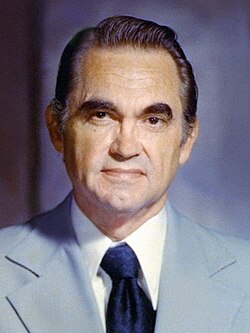
George Wallace, the 45th Governor of Alabama, ran as a third-party candidate under the American Independent Party. His campaign focused on regional grievances and opposition to federal integration efforts, appealing strongly to voters in the Deep South.
General Election Results
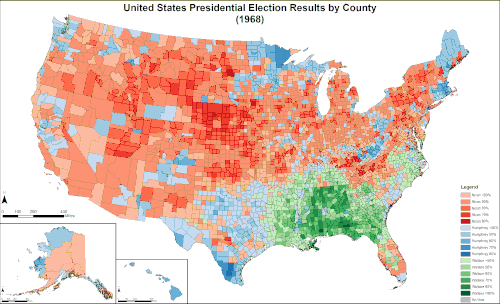
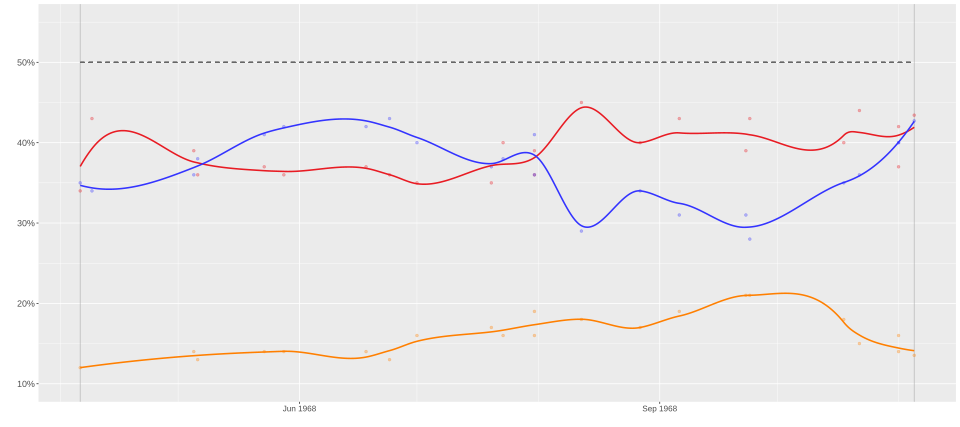
The general election was one of the closest in U.S. history in terms of the popular vote. While Nixon won the Electoral College decisively, the popular vote margin between him and Humphrey was less than one percentage point.
| Candidate | Party | Popular Vote (%) | Electoral Votes | States Carried |
|---|---|---|---|---|
| Richard Nixon | Republican | 43.42% | 301 | 32 |
| Hubert Humphrey | Democratic | 42.72% | 191 | 13 + DC |
| George Wallace | American Independent | 13.53% | 46 | 5 |
State Shifts and Close Contests
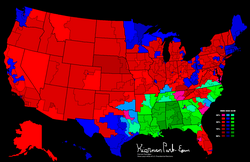
Several states flipped from Democratic to Republican, including California, New Jersey, and North Carolina. Conversely, Alabama flipped from Republican to American Independent. The election was decided by several "close states" where the margin of victory was less than 5 percentage points, including Missouri (1.13%) and Texas (1.27%).
Demographic Trends
Voting patterns revealed deep divisions along racial, educational, and regional lines. Richard Nixon performed strongly among college-educated voters (54%) and those aged 50 or older (47%). Hubert Humphrey maintained strong support in African-American neighborhoods, with some sample precincts showing up to 95% support for the Democratic ticket.
George Wallace's support was heavily concentrated in the South, where he captured 33% of the vote, significantly impacting the results in states like Alabama and Mississippi.
Frequently Asked Questions





Who won the 1968 US Presidential Election?
Richard Nixon of the Republican Party won the election, securing 301 electoral votes and 43.42% of the popular vote.
Why did Lyndon B. Johnson not run for re-election?
President Lyndon B. Johnson announced his withdrawal from the presidential race on March 31, 1968, following challenges from Eugene McCarthy and the political pressures of the era.
What role did George Wallace play in the election?
George Wallace ran as the candidate for the American Independent Party, winning five states and 46 electoral votes, primarily by appealing to voters in the South.
How close was the popular vote between Nixon and Humphrey?
The popular vote was extremely close, with Richard Nixon receiving 43.42% and Hubert Humphrey receiving 42.72%, a difference of only 0.7 percentage points.
Which state was the tipping point for Richard Nixon?
Ohio is identified as the tipping point state that secured the victory for Richard Nixon.