Željezničar: The Century-Long Legacy of Sarajevo's Railway Club
Founded by a group of railway workers in 1921, Željezničar is more than just a football club; it is a symbol of resilience and inclusivity in Sarajevo. While other early 20th-century clubs in the city were often divided along ethnic lines—backed by Bosnian Muslim, Serb, Croat, or Jewish organizations—Željezničar stood apart. As a financially modest club, its early days were marked by struggle, with members organizing dance nights just to afford basic equipment like shoes and balls.
Despite facing suppression due to its multi-ethnic embrace, the club persevered. Its first official match took place on September 17, 1921, against SAŠK Napredak, resulting in a 5–1 defeat. This humble beginning set the stage for a century of sporting drama, spanning the Yugoslav era, the horrors of war, and the rise of independent Bosnian football.
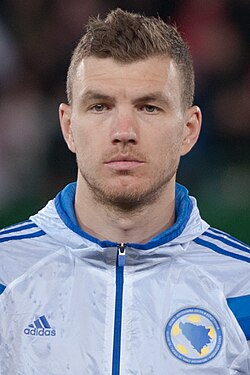
Key Facts
- Founded: 1921 by railway workers in Sarajevo.
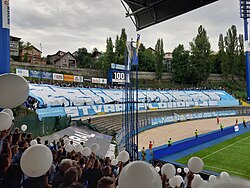
- Home Ground: Grbavica Stadium.
- Major Honors: Yugoslav First League champions (1971–72) and multiple Bosnian Premier League titles.
- European Peak: UEFA Cup semi-finalists in the 1984–85 season.
- Supporters: Known as "The Maniacs."
- Legendary Figures: Ivica Osim and his son, Amar Osim.
The Yugoslav Era: Triumph and Turmoil (1921–1992)
Željezničar's journey through the Yugoslav football system was a rollercoaster of success and controversy. After World War II, the club was reborn and won the Bosnian Republic championship in 1946, securing a place in the restored Yugoslav top-flight. This era also saw the birth of the fierce city rivalry with FK Sarajevo.
The Planinić Affair
In 1964, the club was embroiled in the Planinić affair, a match-fixing scandal that led the Football Association of Yugoslavia to eject Željezničar, Hajduk Split, and Trešnjevka from the First League. While players like Ivica Osim received one-year bans and president Nusret Mahić was banned for life, the clubs were eventually reinstated after a month, albeit with point deductions.
European Breakthroughs and Domestic Glory
The early 1970s marked a golden age. The club reached the UEFA Cup quarter-finals in 1971–72 and captured the Yugoslav First League title in the same season—their only top-tier title during the Yugoslav period. This victory qualified them for the European Cup, where they faced Derby County in 1972–73.
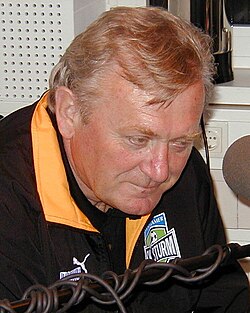
The club's international zenith arrived in the 1984–85 season under manager Ivica Osim. Željezničar reached the UEFA Cup semi-finals, narrowly missing out on the final against Real Madrid after a heartbreaking 4–3 aggregate loss to Videoton. Edin Bahtić emerged as a star of the tournament, finishing as the second-top scorer with seven goals.
War and Resilience: The Siege of Sarajevo
The independence of Bosnia and Herzegovina in 1992 brought a violent halt to football. On April 5, 1992, a match against FK Rad was abandoned just 35 minutes before kickoff due to gunfire—the first attack on Sarajevo. Many players fled abroad to escape the conflict, leaving junior players to attempt to finish the season.
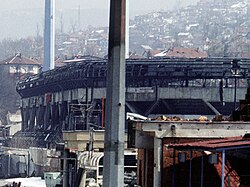
The club's home, Grbavica Stadium, sat directly on the front lines. On May 7, 1992, the western side of the stadium and the club's premises were destroyed. Despite the devastation, the club returned to play home matches at Grbavica as early as the 1994–95 season, a gesture of defiance and survival.
The Modern Era: Dominance and Decline
Following the war, Željezničar entered a new chapter of success. On June 5, 1998, forward Hadis Zubanović scored a dramatic 89th-minute winner against rivals FK Sarajevo to secure the club's first championship in independent Bosnia and Herzegovina—a day still celebrated by fans as "Zubandan."
The Amar Osim Dynasty
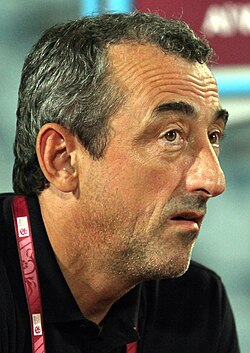
Under the management of Amar Osim, the club experienced unprecedented success in the early 2000s and 2010s. They became the first club in the Bosnian Premier League to defend their title (2000–01 and 2001–02) and achieved the first-ever domestic double in 2000–01. The club's most significant post-war European run occurred in 2002, reaching the third qualifying round of the UEFA Champions League before falling to Sir Bobby Robson's Newcastle United in front of 36,000 fans at Koševo Stadium.
Recent Challenges
The 2020s brought new hurdles, including the COVID-19 pandemic, which disrupted both domestic and European campaigns. After a period of instability and a shocking relegation battle in the 2023–24 season, the club recovered to finish fourth in 2024–25, securing a spot in the 2025–26 UEFA Conference League qualifiers. In December 2025, the club entered a new financial phase with the arrival of strategic partner Sanin Mirvić.
Historical Performance Summary
| Era/Season | Achievement | Key Detail |
|---|---|---|
| 1971–72 | Yugoslav First League Champions | Only top-tier title in Yugoslav period |
| 1984–85 | UEFA Cup Semi-finalists | Managed by Ivica Osim |
| 1997–98 | Bosnian League Champions | First title in independent BiH ("Zubandan") |
| 2000–02 | Back-to-back Bosnian Titles | First club to defend the title |
| 2002 | Champions League 3rd Qual. Round | Lost to Newcastle United |
| 2011–12 | League and Cup Double | Managed by Amar Osim |
Frequently Asked Questions
Who are "The Maniacs"?
The Maniacs are the dedicated and passionate supporters of Željezničar, known for their intense loyalty and vibrant celebrations during matches.
What is the significance of "Zubandan"?
Zubandan refers to the anniversary of June 5, 1998, when Hadis Zubanović scored a late winning goal against FK Sarajevo to give Željezničar its first championship in independent Bosnia and Herzegovina.
How did the Bosnian War affect the club?
The war forced the abandonment of matches, caused the flight of many professional players, and led to the physical destruction of the western side of Grbavica Stadium, which was located on the front lines of the Siege of Sarajevo.
Who is the most successful manager in the club's history?
Amar Osim is the most successful manager in terms of trophies won, securing nine titles during his various tenures with the club.
What was the club's best European result?
The club's greatest international achievement was reaching the semi-finals of the UEFA Cup in the 1984–85 season, where they were eventually eliminated by the Hungarian side Videoton.