Yavapai Culture: Traditions, Social Structure, and History
The Yavapai are an Indigenous people of the American Southwest, historically characterized by their resilience, adaptability, and deep connection to the diverse landscapes of Arizona. Traditionally living as hunter-gatherers, they developed a sophisticated social organization and a rich spiritual life that blended their own unique customs with those of neighboring tribes.
Key Facts
- Social Structure: Historically organized into four autonomous bands: Kewevkepaya, Tolkepaya, Wipukepa, and Yavapé.
- Diet: Primarily hunter-gatherers relying on agave, nuts, berries, and game, with some small-scale agriculture.
- Language: A branch of the Upland Yuman language family.
- Housing: Used brush shelters called Wa'm bu nya:va, with specialized winter huts called uwas.
- Spiritual Life: Practiced masked dances for healing and guidance, such as the Mountain Spirit Dance.
Cuisine and Subsistence
Before the reservation era, the Yavapai followed an annual migration pattern, moving across the landscape to harvest ripening plants and follow game animals. While primarily hunter-gatherers, some communities practiced small-scale cultivation of the three sisters (maize, squash, and beans) in fertile streambeds. This was most common among the Tolkepaya, who lived in harsher lands and often traded animal skins, baskets, and agave with Quechan groups to supplement their food supply.
The Yavapai diet was rich in native flora, including walnuts, saguaro fruits, juniper berries, acorns, sunflower seeds, hackberries, and the bulbs of the Quamash. Agave was the most critical resource, serving as the primary plant food from late fall through early spring; its hearts were roasted in stone-lined pits for storage.
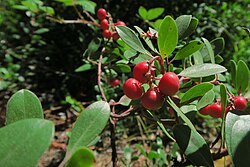
Protein was sourced from hunting deer, rabbits, jackrabbits, quail, and woodrats. While most Yavapai groups avoided fish and water birds, some Tolkepaya adopted fish-eating habits after interacting with the Quechan.
Traditional Dances and Spirituality
Dance and song are central to Yavapai spiritual and social life. The Mountain Spirit Dance is a masked ceremony used for healing the sick or seeking guidance. Dancers represent spirits believed to dwell in sacred locations, including the Four Peaks, McDowell Mountains, Red Mountain, Granite Mountain, and the caves of Montezuma Castle and Montezuma Well.
The Yavapai also share cultural practices with neighboring tribes. The Sunrise Dance, a four-day rite-of-transition for young girls associated with the powerful figure "Changing Woman," was adopted through close ties with the Apache. Additionally, the Yavapai have integrated Bird Singing and Dancing from the Mojave people. This tradition involves complex song cycles that tell the creation story of the Yuman people, accompanied by a decorated cottonwood gourd.
Historical Housing and Living
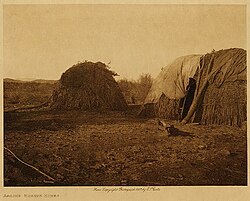
Yavapai dwellings were designed for seasonal efficiency. Their primary brush shelters were known as Wa'm bu nya:va. In the summer, these were simple lean-tos without walls to allow for ventilation. In winter, they transitioned to uwas—closed huts made of ocotillo branches or other wood and covered with dirt, bark, grasses, or animal skins.
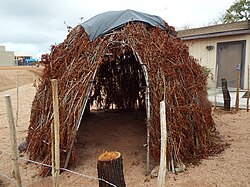
The Tolkepaya in the Colorado River area built a specific rectangular hut called Uwađ a'mađva, which featured a flat roof and dirt-insulated sides. To further escape the winter cold, some groups utilized caves or abandoned pueblos.
Sociopolitical Organization
The Yavapai did not have a centralized government. Instead, they were organized into local groups of extended families tied to specific geographic regions. These groups would merge into larger bands for defense, raiding, or warfare. Because food sources were often limited, the nuclear or extended family remained the primary social unit.
Leadership was informal and based on merit. Men recognized for their bravery in war were called mastava ("not afraid") or bamulva ("person who goes forward"). Those valued for their wisdom and diplomacy were known as bakwauu ("person who talks"), serving as mediators and advisors on campsites and food production.
The Four Autonomous Bands
Historically, the Yavapai consisted of four distinct bands connected by kinship and language:
- Kewevkepaya (Southeastern): Lived along the Verde and Salt Rivers. They frequently intermarried with the Tonto and San Carlos Apache.
- Tolkepaya (Western): Located along the Hassayampa River, maintaining strong ties with the Quechan and Mojave.
- Wipukepa (Northeastern): Inhabited Oak Creek Canyon and Fossil Creek; known as the "People from the Foot of the Red Rock."
- Yavapé (Northwestern): Lived from the Bradshaw Mountains to the Agua Fria River. They are often called the "real Yavapai" due to less external cultural influence.
Interaction with the Apache
The Wipukepa and Kewevkepaya lived in close proximity to the Tonto Apache, often sharing hunting grounds and forming bilingual, mixed-tribal bands. Because of this intimacy, they frequently intermarried and adopted each other's customs. Both groups utilized matrilineal kinship systems, where children belonged to the mother's clan and inheritance followed the maternal line.
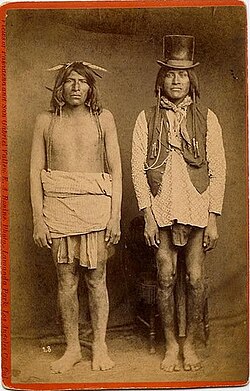
Despite their close alliance, the Yavapai and Apache remained distinct. The Yavapai spoke a Yuman language, while the Apache spoke a dialect of Western Apache. Physical differences were also noted in historical records: the Yavapai were generally described as taller and more muscular, with a preference for tattoos and rounded moccasins, whereas the Apache were smaller in stature and wore pointed-toe moccasins.
| Band Name | Region | Key Affiliations | Alternative Names |
|---|---|---|---|
| Kewevkepaya | Southeastern (Verde/Salt Rivers) | Tonto & San Carlos Apache | Guwevkabaya |
| Tolkepaya | Western (Hassayampa River) | Quechan & Mojave | Western Yavapai |
| Wipukepa | Northeastern (Oak Creek/Fossil Creek) | Tonto Apache | People from the Foot of the Red Rock |
| Yavapé | Northwestern (Bradshaw Mtns/Agua Fria) | Independent | Central Yavapai |
Frequently Asked Questions
What is the difference between the Yavapai and the Apache?
While they lived closely and often intermarried, they spoke different languages (Yuman vs. Apachean) and had distinct physical characteristics and cultural markers, such as the Yavapai's use of tattoos and rounded moccasins.
What was the most important plant in the Yavapai diet?
Agave was the most crucial plant because it was the only food source available from late fall through early spring.
How was leadership handled within Yavapai society?
Leadership was informal. Men earned status as leaders based on their skills as warriors (mastava/bamulva) or their wisdom and speaking ability (bakwauu).
What are the different types of Yavapai housing?
They used Wa'm bu nya:va (brush shelters), which were open lean-tos in summer and closed huts (uwas) in winter. The Tolkepaya also built Uwađ a'mađva, rectangular huts with dirt insulation.
What is the significance of the Mountain Spirit Dance?
The Mountain Spirit Dance is a masked ceremony used for healing the sick or seeking spiritual guidance, with dancers representing spirits from sacred mountains and caves.