Women in the Americas: A History of Migration, Bondage, and Rights
The history of women in the Americas is a complex narrative of resilience, adaptation, and struggle. From the first Paleoindians who crossed the Bering Land Bridge to the activists of the Pan-American movement, women have played indispensable roles in shaping the social, economic, and political landscapes of North, Central, and South America.
Prehistory and Early Survival
Scientific evidence, specifically mitochondrial DNA, indicates that the first people arrived in the Americas approximately 13,000 years ago via the Bering Land Bridge from Beringia. As these early migrants moved south and branched across the continent, survival depended on the collective effort of all society members. While early archaeology emphasized big game hunting, modern research suggests that the gathering activities of women and children provided a more reliable survival strategy.
During the Archaic period (8000 to 3000 B.C.E.), the transition to farming transformed societies into settled communities with specialized labor and social classes. Archaeological records show that women were central to this transition, contributing significantly to the creation and use of stone tools.
European Contact and Colonization
The arrival of Europeans introduced new and often exploitative dynamics. In the early exploration of the Gulf and southeastern coasts, soldiers frequently coerced native women into roles as cooks and sexual laborers. In Canada, French explorers and missionaries were initially followed by the filles du roi (King's Daughters) in the 1660s—approximately 850 young women sent by France to marry settlers and increase the population.
In contrast, Dutch and English colonization efforts integrated women into the settlement process from the start to ensure commercial stability. The Dutch East India Company encouraged family migration to New Netherland, while the Virginia Company hired women or encouraged the arrival of wives and fiancées to help establish Jamestown.
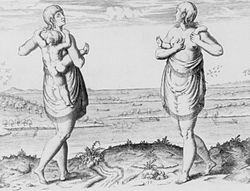
However, the establishment of these colonies coincided with the rise of the Atlantic slave trade. By 1800, the majority of women arriving in the Americas were not free migrants but enslaved individuals; estimates suggest that four-fifths of all women who arrived before 1800 were non-European.
Systems of Bondage and Forced Labor
Bondage took various forms across the Americas, ranging from plantation slavery to indentured servitude and penal transportation.
Plantation Slavery
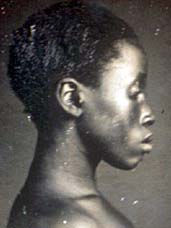
Portugal began using slave labor in Brazil for sugarcane in the 1530s, initially targeting indigenous people before shifting primarily to African slaves. The Dutch later spread this model to the Caribbean, and by the mid-1650s, sugar production in Barbados became a blueprint for the region. Enslaved women were subjected to grueling labor in sugarcane, indigo, and coffee fields, and were further exploited for their reproductive abilities.
Penal Transportation
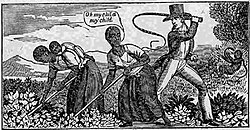
Britain used its colonies to transport criminals, including political dissidents. Between 1718 and 1776, an estimated 5,000 to 10,000 women were sent to the Americas. Contrary to popular myths that most were prostitutes, records from the Old Bailey show that most were young domestic workers (aged 15–30) convicted of stealing household goods or clothing.
Indentured Servitude
Indentured servitude involved a contract where a laborer worked for a set period in exchange for passage to the Americas. By the 18th century, women made up 33% to 50% of indentured servants. While they had more legal protections than slaves—such as the right to sue for mistreatment—they often faced harsh conditions and restricted personal freedoms.
This system persisted into the 20th century, with significant numbers of Indian women (approximately 250,000) migrating to the Caribbean under indenture contracts. The practice eventually ended in various regions between 1916 and 1969.
The Rise of Social Movements and Women's Rights
In the 19th and 20th centuries, women began organizing to demand legal and social changes. A distinction emerged between the North American model of individual freedom (seeking equal rights to men) and Latin American relational feminism, which focused on protecting the specific rights of women as wives and mothers.
By the late 1800s, women participated in international congresses in cities like Paris, London, and Buenos Aires. The 1922 Pan-American Conference of Women in Baltimore addressed peace, socio-economic opportunities, and the trafficking of women.
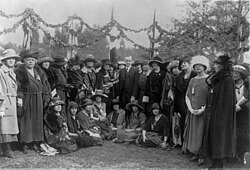
The establishment of the Inter-American Commission of Women in 1928 marked the first multi-state government body dedicated to women's issues. This led to the Convention on the Nationality of Women, the first international agreement to protect women's rights, addressing issues such as asset control and child custody.
Women's Contributions During Wartime
Warfare often accelerated the entry of women into traditionally male-dominated spheres. In Canada, women served as nurses during the North-West Resistance in 1885 and joined auxiliary air force and army organizations in 1941, with roughly 50,000 enlistees.
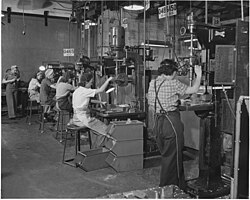
In the United States, World War II saw a massive shift in the industrial workforce, with more than 310,000 women working in the aircraft industry and contributing significantly to munitions production.
Key Facts
- Early Migration: Paleoindians entered the Americas via the Bering Land Bridge roughly 13,000 years ago.
- Demographics: Before 1800, approximately 80% of women arriving in the Americas were not European.
- Penal History: Between 1718 and 1776, 5,000 to 10,000 women were transported from Britain as convicts.
- Indentured Labor: Up to 50% of indentured servants in the 18th century were women, mostly unmarried girls aged 15–24.
- Legal Milestones: The Inter-American Commission of Women (est. 1928) helped secure the Convention on the Nationality of Women.
- War Effort: Over 310,000 U.S. women worked in the aircraft industry during World War II.
| System | Primary Population | Nature of Bondage | Termination |
|---|---|---|---|
| Slavery | African, Indigenous | Forced, hereditary, lifelong | Abolition or Manumission |
| Penal Transportation | European (British) | Court-ordered sentence | Expiration of sentence |
| Indentured Servitude | European, Asian | Contractual agreement | Contract completion |
Frequently Asked Questions
What was the role of women in Paleoindian societies?
While both genders participated in hunting and gathering, newer research suggests that the gathering activities performed by women and children were likely the more reliable survival strategy for early migrants.
Who were the "filles du roi"?
The filles du roi (King's Daughters) were approximately 850 single or widowed women sent by France to Canada in the 1660s to marry settlers and help grow the colony's population.
How did relational feminism differ from the U.S. model of women's rights?
The U.S. model focused on individual freedom and achieving the same rights as men, whereas relational feminism in Latin America sought to protect and enhance the specific rights women held as mothers and wives.
What were the typical backgrounds of female convicts transported from Britain?
Most were young women between 15 and 30 years old employed in domestic work, typically convicted of stealing household goods or clothing from their employers.
What was the significance of the Inter-American Commission of Women?
Established in 1928, it was the first international body dedicated solely to women's issues, working across multiple governments to address legal disparities in nationality, custody, and suffrage.