Winged Horses in European Mythology
Across the diverse landscapes of Europe, the image of the winged horse has persisted for millennia. From the marble sculptures of ancient Greece to the folk tales of the Romanian countryside, these celestial equines symbolize power, divinity, and the ability to transcend the earthly realm. While some are born of monsters and others are spirits of the land, they all share a common role as companions to heroes and gods.
Greco-Roman Traditions
The most iconic winged horse in Western culture is Pegasus. Born from the blood of Medusa and sired by Poseidon (known as Neptune in Roman mythology), Pegasus is typically depicted as a white horse with feathered white wings. He served as the loyal steed to the hero Bellerophon, though their journey eventually ended in tragedy at the hands of Zeus. Today, Pegasus is immortalized not only in art but also as a constellation in the night sky, serving as the prototypical model for almost all subsequent Western depictions of winged horses.
Beyond Pegasus, the celestial bodies were often associated with equine flight. Selene, the Greek goddess of the Moon, was frequently portrayed traversing the night sky either on horseback or in a chariot pulled by winged white horses. Similarly, her brother Helios, the Greek God of the Sun, rode a horse-drawn carriage across the heavens; while his horses were not always winged, some historical accounts do depict them with wings.
Legends of the Jura Mountains
In the Jura Mountains, located along the border of Switzerland and France, local folklore describes several distinct magical horses, many of which possess wings. These legends are often tied to specific geographic communes and regions.
- The White Horse of Foncine: Frequently sighted during the dusk hours throughout Les Planches, Foncine-le-Bas, and Foncine-le-Haut.
- The Horses of Cosges: These were twin, headless winged horses said to inhabit the Canton of Bletterans.
- The Sylph Horseman of Bonlieu: A spirit of a former king seen riding a winged horse within the Haut-Jura region.
Norse and Romanian Folklore
In Norse mythology, the ability to fly is common among divine horses, but physical wings are rare. Hófvarpnir, the steed of the goddess Gná, is the only Norse horse explicitly depicted with wings. In contrast, Odin's famous horse, Sleipnir, is capable of flight despite having eight legs rather than wings.
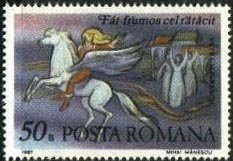
Romanian folklore features the hero and prince Făt-Frumos, who rides a calul năzdrăvan (translated as a "magic horse"). This creature is often depicted as a winged, flying horse that does more than just provide transport; it serves as a wise advisor to the prince during his various adventures.
Key Facts
- Pegasus is the most influential model for winged horses in Western art and myth.
- In the Jura Mountains, winged horses range from the spectral White Horse of Foncine to the headless Horses of Cosges.
- Hófvarpnir is the primary winged horse of Norse mythology, whereas Sleipnir flies without wings.
- The Romanian calul năzdrăvan acts as both a flying mount and a mentor to Făt-Frumos.
| Region/Culture | Horse Name/Type | Key Characteristic |
|---|---|---|
| Greco-Roman | Pegasus | White feathered wings; sired by Poseidon/Neptune |
| Greco-Roman | Selene's Horses | Pulled the Moon goddess's chariot |
| Jura Mountains | Horses of Cosges | Twin, headless, and winged |
| Norse | Hófvarpnir | Steed of Gná; explicitly winged |
| Romanian | Calul năzdrăvan | Magic winged horse and advisor to Făt-Frumos |
Frequently Asked Questions
Who is the father of Pegasus?
Pegasus was sired by Poseidon in Greek mythology, or Neptune in the Roman tradition.
Does Sleipnir have wings?
No, Sleipnir is an eight-legged horse capable of flight, but he is not described as having wings.
What is a calul năzdrăvan?
It is a "magic horse" from Romanian folklore that is often depicted as winged and serves as an advisor to the hero Făt-Frumos.
Where were the Horses of Cosges located?
The Horses of Cosges, which were headless winged twins, were said to live in the Canton of Bletterans in the Jura Mountains.
Which Greek deities used winged horses for travel?
Selene, the goddess of the Moon, used winged horses for her chariot or rode one herself, and Helios, the god of the Sun, is occasionally depicted with winged horses pulling his carriage.