William IV: The Life and Reign of the Sailor King
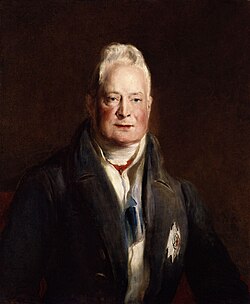
William IV served as the King of the United Kingdom of Great Britain and Ireland and the King of Hanover from June 26, 1830, until his death in 1837. As the third son of King George III and Queen Charlotte, William was not originally expected to inherit the throne. However, he eventually became the last king and penultimate monarch of the House of Hanover, a royal dynasty that ruled both Britain and Hanover.
Known affectionately as the "Sailor King" due to his early career in the Royal Navy, William's life was marked by a blend of naval discipline, complex personal relationships, and a reign that bridged the gap between traditional monarchy and modern constitutional reform.
Key Facts
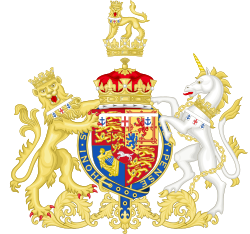
- Reign: June 26, 1830 – June 20, 1837.
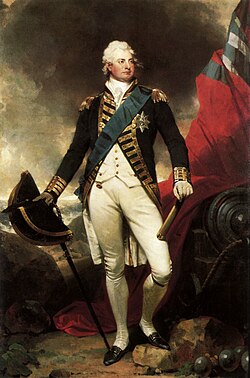
- Naval Rank: Rear Admiral (active service) and later honorary Admiral of the Fleet.
- Family: Fathered ten illegitimate children with actress Dorothea Jordan before marrying Princess Adelaide of Saxe-Meiningen.
- Major Legislation: His reign saw the passage of the Slavery Abolition Act 1833 and the Factory Act 1833.
- Succession: Succeeded by his niece, Queen Victoria (UK), and his brother, Ernest Augustus (Hanover).
Early Life and Naval Ambitions
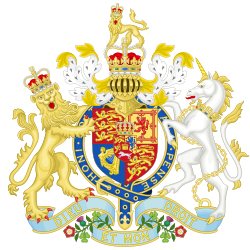
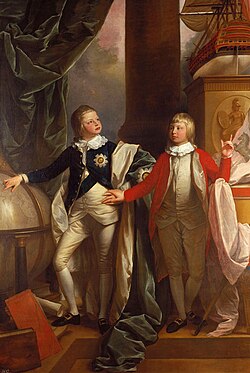
Born on August 21, 1765, at Buckingham House, William was baptized at St James's Palace. Unlike his elder brothers, his path was steered toward the sea. He became a lieutenant in 1785 and captain of the HMS Pegasus in 1786, serving in Newfoundland and Nova Scotia.
During his time in the West Indies, William served under the legendary Horatio Nelson. Nelson held William in high regard, noting that he was superior to two-thirds of the naval list in his professional capabilities and exemplary in his respect for superiors. The two developed a close friendship, with William even giving the bride away at Nelson's wedding.

The Transition to Nominal Rank
William ceased active service in 1790, having commanded the HMS Andromeda and the HMS Valiant. Despite his eagerness to serve during the French Revolutionary and Napoleonic Wars, he was never given another active command. This was attributed to several factors, including a broken arm sustained during a fall while intoxicated and a speech he delivered in the House of Lords opposing the war.
Although he was named an admiral in 1798 and Admiral of the Fleet in 1811, these titles were purely nominal. His closest encounter with combat occurred in 1813 during a visit to British troops in the Low Countries, where a bullet pierced his coat while he watched the bombardment of Antwerp.
Personal Life and Relationships
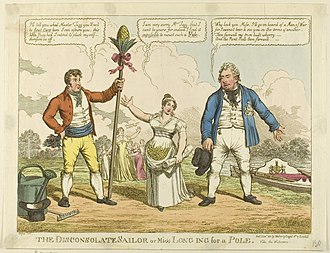
William's personal life was unconventional for a royal. From 1791 to 1811, he cohabited with the Irish actress Dorothea Jordan. The couple shared a domestic and happy life, primarily residing at Bushy House. Together, they had ten illegitimate children, who were given the surname "FitzClarence."

The relationship ended in 1811, largely due to financial pressures. Following the split, Mrs. Jordan was provided a financial settlement but eventually died in poverty in France in 1816. In the years following, William attempted to marry wealthy heiresses to clear his debts, but these efforts failed.
Marriage to Princess Adelaide
The death of his niece, Princess Charlotte of Wales, in 1817 created an urgent need for a legitimate heir within the family. As the healthiest of George III's surviving sons, William became the primary candidate to secure the succession. On July 11, 1818, he married Princess Adelaide of Saxe-Meiningen, who graciously accepted William's existing children.
The Lord High Admiral and Accession
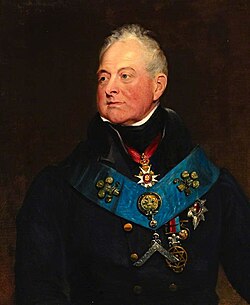
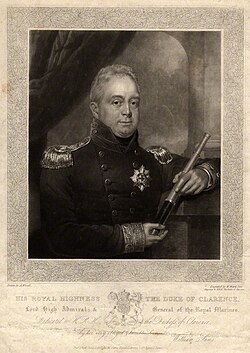
In 1827, William was appointed Lord High Admiral, the first person to hold the office individually since 1709. However, his tenure was fraught with conflict with his Council of Admiralty officers. After he took a squadron to sea for ten days without notifying his superiors, King George IV requested his resignation, which William granted.
Upon the death of George IV on June 26, 1830, William ascended the throne at age 64. At the time, he was the oldest person to ever assume the British throne, a record that stood until 2022.
Reign and Political Legacy
William IV's reign was characterized by a desire for frugality and a struggle to balance opposing political factions. His coronation on September 8, 1831, reflected this; he drastically reduced the budget from the £240,000 spent by his brother to less than £30,000, leading critics to mock it as a "Half Crown-nation."

Social and Legislative Reform
The era of William IV was one of significant societal change. His government enacted several landmark pieces of legislation:
- Factory Act 1833: Aimed at preventing child labour.
- Slavery Abolition Act 1833: Emancipated slaves throughout the British colonies.
- Poor Law Amendment Act 1834: Standardized the provision of aid for the destitute.
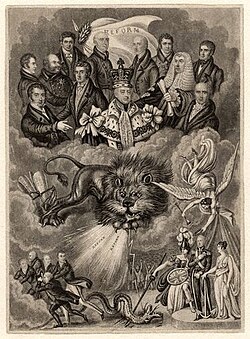
While reformers felt he did not go far enough and reactionaries felt he conceded too much, modern historians view William IV as a capable constitutional monarch who successfully navigated the tensions between two bitterly opposed political factions.
Death and Final Years
William IV died at 2:12 am on June 20, 1837, at Windsor Castle, aged 71. He was buried on July 8 in the Royal Vault at St George's Chapel. He was attended in his final days by Queen Adelaide, who remained by his side devotedly.
| Category | Details |
|---|---|
| Full Name | William Henry |
| Reign Dates | 1830 – 1837 |
| House | Hanover |
| Spouse | Adelaide of Saxe-Meiningen |
| Naval Commands | HMS Valiant, HMS Andromeda, HMS Pegasus |
| Key Legislation | Slavery Abolition Act, Factory Act, Poor Law Amendment Act |
Frequently Asked Questions
Why was William IV called the "Sailor King"?
He earned this nickname because of his extensive early career in the Royal Navy, where he served in British North America and the Caribbean and rose to the rank of Rear Admiral.
Who were the FitzClarences?
The FitzClarences were the ten illegitimate children born to William IV and his long-term partner, the actress Dorothea Jordan.
How did William IV's coronation differ from his brother's?
William IV insisted on a much more frugal ceremony. While George IV's coronation cost £240,000, William's was budgeted at less than £30,000.
What was William IV's role in the abolition of slavery?
During his reign, the British Parliament passed the Slavery Abolition Act 1833, which emancipated slaves in the British colonies.
Who succeeded William IV on the throne?
In the United Kingdom, he was succeeded by his niece, Queen Victoria. In Hanover, he was succeeded by his brother, Ernest Augustus.