Wildlife Corridors: Bridging Fragmented Habitats for Biodiversity
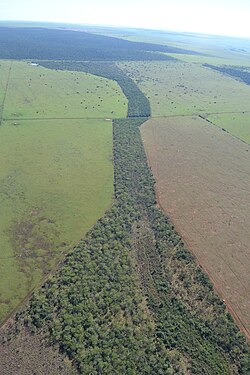
In an era of rapid industrialization and urban sprawl, the natural world is increasingly divided. Human activities—ranging from the construction of massive highway networks to the expansion of industrial agriculture—have carved the landscape into isolated islands of nature. This process, known as habitat fragmentation (the division of habitat areas and restriction of movement), poses a severe threat to global biodiversity.
To combat this, conservationists utilize wildlife corridors. Also referred to as habitat or green corridors, these are dedicated areas of land or water that reconnect separated wildlife populations, allowing animals to move safely between fragmented patches of habitat.
Key Facts
- Purpose: Corridors mitigate the negative effects of habitat fragmentation by reconnecting isolated populations.
- Genetic Health: By enabling movement, corridors prevent inbreeding and maintain genetic diversity.
- Plant Support: Animal movement through corridors facilitates the dispersal of seeds and pollen.
- Climate Adaptation: Corridors allow species to migrate from warming habitats to cooler ones as the climate changes.
- Infrastructure: Solutions include overpasses, underpasses, and urban greenways.
The Ecological Importance of Connectivity
When a population becomes isolated, it faces a higher risk of extinction. Without the ability to migrate, animals may suffer from reduced genetic diversity, making them more susceptible to disease and environmental changes. Wildlife corridors act as biological bridges, ensuring that individuals can find mates from different groups and access new resources.
The benefits extend beyond animals. Because many plants rely on wildlife for reproduction, corridors increase the flow of pollen and seeds between isolated patches, strengthening the overall resilience of the flora.
Types of Wildlife Connectivity Solutions
Wildlife Crossings
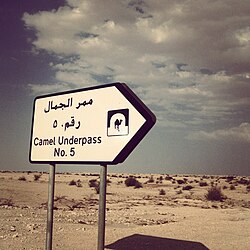
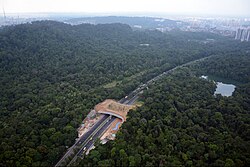
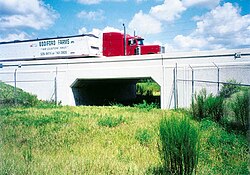
To address the danger posed by road infrastructure, engineers design specific crossing structures. These include overpasses (bridges covered in vegetation) and underpasses (tunnels beneath the road). These structures significantly reduce wildlife-vehicle collisions and allow animals to traverse dangerous highways safely.
Urban Wildlife Corridors
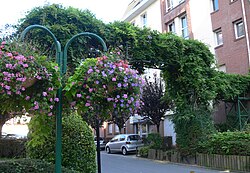
Connectivity is not just for wilderness areas. Urban green corridors integrate nature into city planning, providing "stepping stones" for birds, insects, and small mammals to navigate through concrete environments.
Aquatic Corridors
Connectivity is equally vital in water. Aquatic corridors ensure that fish and other aquatic organisms can move between different parts of a river or stream system, which is often blocked by dams or culverts.
Global Examples of Corridor Implementation
Across the globe, various initiatives demonstrate the scale and diversity of these projects:
- India: The Delhi-Mumbai Expressway near the Ranthambore Tiger Reserve features a 3.5-kilometer wildlife overpass network (with 500-meter segments) and a 1.2-kilometer underpass. Other notable sites include the Kanha-Pench corridor and the Terai Arc Landscapes in the Lower Himalayan Region.
- North America: The Yukon to Yellowstone Conservation Initiative and the extensive network of corridors in Banff National Park, Canada, serve as primary models for large-scale connectivity.
- Europe: The European Green Belt and the National Ecological Network in the Netherlands focus on creating integrated habitats across borders.
Indigenous Stewardship and Management
Managing these lands often involves collaboration with Indigenous groups who rely on wildlife for cultural practices, such as hunting and fishing. In Canada, significant investments have been made to support this stewardship. In 2025, Parks Canada and the province of British Columbia announced $8 million in funding for wildlife corridors. Additionally, a Mi'kmaw organization in Nova Scotia received $491,000 from the National Program for Ecological Corridors to manage landscapes in Cape Breton.
Challenges and Trade-offs
While corridors are beneficial, they can lead to increased human-wildlife conflict. By guiding animals through specific paths, these corridors may bring wildlife closer to human settlements, requiring careful mitigation measures to protect both people and animals.
| Category | Positive Impact | Potential Challenge |
|---|---|---|
| Genetics | Prevents inbreeding; increases diversity | Risk of spreading disease between populations |
| Plants | Enhanced seed and pollen dispersal | Invasive species may use corridors to spread |
| Climate | Facilitates migration to cooler habitats | Requires vast, cross-border land coordination |
| Human Safety | Reduces vehicle-animal collisions | Increased human-wildlife conflict near settlements |
Frequently Asked Questions
What is the main difference between a wildlife corridor and a wildlife crossing?
A wildlife corridor is a broad term for any area of habitat that connects two larger populations. A wildlife crossing is a specific piece of infrastructure, such as an overpass or underpass, designed to help animals cross a man-made barrier like a road.
How do corridors help plants if they are designed for animals?
Many plants depend on animals for reproduction. When animals move through a corridor, they carry pollen on their bodies or disperse seeds through their waste, allowing plants to "migrate" and maintain genetic health across fragmented areas.
Can wildlife corridors be implemented in cities?
Yes. Urban green corridors, or greenways, use parks, tree-lined streets, and riverbanks to create paths for urban-adapted species, helping to maintain biodiversity within city limits.
Do wildlife corridors help with climate change?
Yes. As global temperatures rise, many species need to move to higher latitudes or elevations to find suitable cooler habitats. Corridors provide the necessary pathways for this long-term migration.
Who manages these corridors?
Management varies by region and can include national park agencies (like Parks Canada), government transport authorities (like the NHAI in India), and Indigenous stewardship organizations.