Who's Who Publications: A Global History of Biographical Directories
For over a century, biographical directories—commonly known as "Who's Who" publications—have served as curated records of the most influential people in society. These directories aim to provide a snapshot of prominence, listing individuals who have achieved distinction in politics, arts, science, and business. While many are respected historical records, the industry has also seen the rise of vanity publishing, where inclusion is based on self-nomination rather than merit.
Key Facts
- The oldest prominent British listing, Who's Who, dates back to 1849.
- Who Was Who was established in 1897 to record the lives of deceased prominent figures.
- Global versions exist in numerous languages, including Danish, Swedish, and Japanese.
- Some publications have transitioned from print to digital formats, such as the Who's Who of Southern Africa.
- The industry includes both prestigious academic records and vanity publishers.
Prominent English-Language Directories
The tradition of the biographical directory is most visible in English-speaking nations. The British Who's Who remains a cornerstone of the genre, complemented by its historical counterpart, Who Was Who. Other nations adopted similar models to track their leading citizens.
In North America, the Canadian Who's Who has listed prominent Canadians since 1910. However, the landscape in the United States is more complex. While Marquis Who's Who began in 1899 as a record of prominent Americans, it has evolved into a vanity publisher—a company that publishes works for a fee regardless of the subject's actual prestige—listing individuals who simply nominate themselves. Similarly, the New York-based Cambridge Who's Who (also known as Worldwide Who's Who) operates as a vanity publisher.
Other regional directories include Who's Who in Australia (est. 1923), Who's Who in Scotland (est. 1986), and Who's Who in France (est. 1953). In Switzerland, the directory ran from 1953 to 1996 as Who's Who in Switzerland, with a successor, Swiss Who's Who, appearing in 2015.
International and Non-English Publications
The concept of the "Who's Who" transcends the English language, with many countries creating directories in their native tongues to document national prominence.
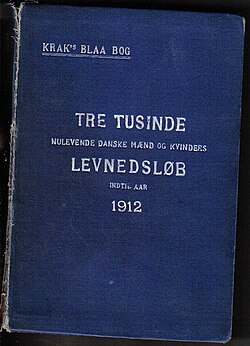
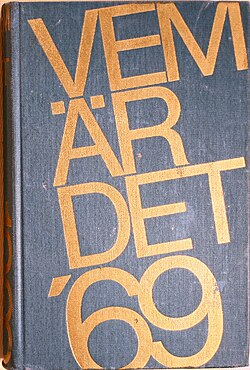
In Scandinavia, Denmark has published Kraks Blå Bog annually since 1910, while Sweden's Vem är det has been published every second year since 1912.
Other notable international examples include:
- Germany: Wer ist's? (1905–1935) and Wer ist wer? (since 1951), along with Wer war wer in der DDR? for East Germany.
- Japan: Nihon Tarento Meikan, which focuses on tarentos (celebrities) since 1970.
- Finland: Kuka kukin on, published irregularly since 1909 and every fourth year since 1970.
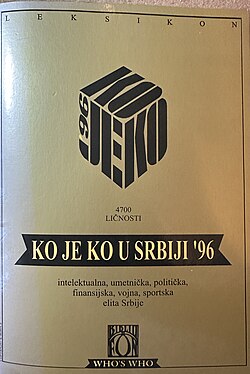
- Serbia: Koje ko u Serbiji (1991), which previously existed as Koje ko u Jugoslaviji.
Specialized and Niche Directories
Beyond general prominence, some directories focus on specific professions, historical eras, or even fictional universes. For example, Who's Who in American Art and Who's Who in the Theatre (published 1912–1982) targeted specific creative industries.
Some publications served more political or academic purposes. The Who's Who in the CIA was published in East Berlin in 1968, produced with assistance from the KGB and HVA to expose CIA officers. In the realm of pop culture, Who's Who in the DC Universe catalogs characters from DC Comics.
Not all specialized lists were successful or reputable. Who's Who Among American High School Students claimed to list students excelling in academics and community service, but the company closed in 2007.
Summary of Notable Directories
| Publication Name | Region/Focus | Start Year | Notes |
|---|---|---|---|
| Who's Who | United Kingdom | 1849 | Oldest prominent British listing |
| Marquis Who's Who | United States | 1899 | Now considered a vanity publisher |
| Kraks Blå Bog | Denmark | 1910 | Published annually |
| Vem är det | Sweden | 1912 | Published every second year |
| Nihon Tarento Meikan | Japan | 1970 | Focuses on celebrities (tarentos) |
| Who's Who in the CIA | International/Espionage | 1968 | Published in East Berlin via KGB/HVA |
Frequently Asked Questions
What is the difference between Who's Who and Who Was Who?
Who's Who lists prominent people who are currently living, while Who Was Who is a record of prominent people who have died.
What is a vanity publisher in the context of biographical directories?
A vanity publisher is a company that lists individuals who may not have achieved significant prominence but have nominated themselves or paid for inclusion in the directory.
Are there Who's Who directories for fictional characters?
Yes, an example is Who's Who in the DC Universe, which provides a listing of characters from DC Comics.
Which countries have their own native-language versions of Who's Who?
Many countries have them, including Denmark (Kraks Blå Bog), Sweden (Vem är det), Germany (Wer ist wer?), Japan (Nihon Tarento Meikan), and Finland (Kuka kukin on), among others.
How has the format of these directories changed over time?
While most began as printed books, some have transitioned to digital formats, such as the Who's Who of Southern Africa, which was replaced by a website in 2007.