Whale Watching Destinations Around the Globe
From the icy fjords of Norway to the tropical waters of the Caribbean, the opportunity to witness cetaceans—the scientific group including whales, dolphins, and porpoises—in their natural habitat is a bucket-list experience for many. Whale watching has evolved from a niche activity into a global ecotourism industry, providing sustainable income for coastal communities while fostering a deeper appreciation for marine conservation.
Whether you are seeking the massive scale of a blue whale or the acrobatic breaches of a humpback, the world offers diverse locations and seasons to encounter these magnificent mammals.
Key Facts
- Top Species: Humpback, Blue, Sperm, and Southern Right whales are among the most frequently sighted globally.
- Prime Regions: High-density sightings occur in the Northeast Pacific (Alaska/Canada), the Southwest Atlantic (Argentina/Brazil), and the Southwest Pacific (Australia/New Zealand).
- Seasonal Nature: Most sightings are tied to migration and breeding patterns, often occurring in winter or spring depending on the hemisphere.
- Economic Impact: Former whaling hubs, such as Kaikōura in New Zealand and Albany in Australia, have successfully transitioned to sustainable whale watching economies.
Atlantic and Indian Oceans
South Africa and the Southwest Atlantic
In South Africa, Hermanus is a global center for whale watching. Between May and December, southern right whales approach the shoreline so closely that they can be seen from hotels. The town even employs a "whale crier" to announce sightings to the public.
Moving to South America, Brazil's Bahia State and the National Marine Park of Abrolhos are key for humpbacks during the austral winter and spring. In Santa Catarina and Espírito Santo, southern right whales—including mother and calf pairs—can be seen as close as 30 meters from the shore. Argentina's Península Valdés in Patagonia hosts the largest breeding population of southern right whales, with over 2,000 catalogued animals.
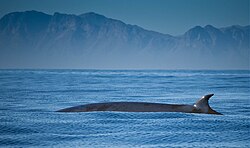
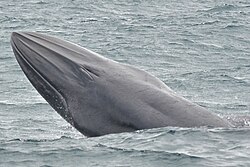
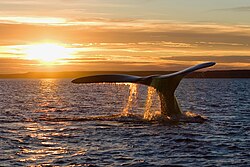
Uruguay also offers sightings from June to November in the Maldonado and Rocha departments, specifically around Punta del Este and La Paloma.
Northeast Atlantic
Europe offers a wide variety of sightings. Ireland is known for humpback and fin whales from July to February, while the UK's Chanonry Point is a premier spot for bottlenose dolphins. In Northern Norway, orcas gather in fjords like Vestfjorden to follow herring during winter, while sperm whales are visible year-round near Andenes.
Portugal's Algarve region and Spain's Strait of Gibraltar serve as critical migration routes. Tarifa, in particular, is a gateway between cold northern waters and tropical African waters. In Iceland, towns like Húsavík and Reykjavík provide access to minke, humpback, and blue whales.
Northwest Atlantic and Caribbean
The US East Coast has seen a resurgence of whales in urban areas; for example, six species have been recorded near New York Harbor's Verrazzano–Narrows Bridge. In Canada, the St. Lawrence River estuary and the Bay of Fundy are vital feeding and nursery grounds for Belugas and humpbacks.
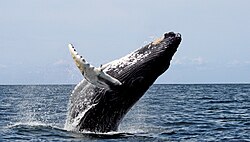
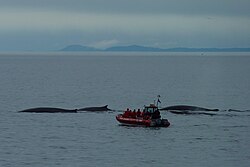
In the Caribbean, Samaná Bay in the Dominican Republic is a primary breeding ground for humpback whales, supported by sustainable operators and research groups.
Northern Indian Ocean
Sri Lanka and the Maldives are emerging destinations. Pygmy blue whales and sperm whales migrate through the southern tip of Sri Lanka, with high sighting rates at Dondra Point from November to April.
Pacific Ocean
East and Northeast Pacific
Colombia's Bahía Solano and Nuquí attract humpbacks from July to October, while Panama's Pearl Islands receive roughly 300 humpbacks between June and November.
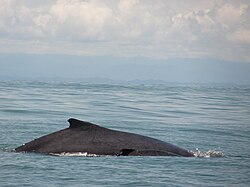
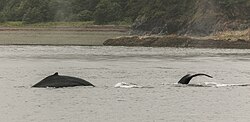
In North America, Alaska is a summer hotspot for feeding whales. Along the US West Coast, gray whales migrate annually, with Point Vicente in California being a prime shore-watching spot. Mexico's Baja California Sur lagoons serve as critical breeding habitats for gray whales in February and March.
Central and West Pacific
Hawaii is a winter sanctuary where 4,000 to 10,000 North Pacific humpbacks migrate from Alaska. The best sightings typically occur in January and February within the protected channels between islands.
Asia hosts large industries in China, Taiwan, and Japan. The Philippines boasts incredible diversity in Batanes, where at least 12 species of whales and dolphins have been sighted, including the Irrawaddy dolphin.
Southern Oceans and the Southwest Pacific
Chile and Peru
The Gulf of Corcovado and Guaitecas Archipelago in Chile are renowned for their diversity, including Peale's and black dolphins. The Gulf of Corcovado is considered one of the largest feeding and nursing grounds for blue whales in the Southern Hemisphere.
Australia and New Zealand
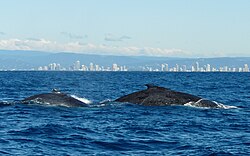
Kaikōura, New Zealand, is a world leader in sperm whale watching. In Australia, the Sunshine Coast and Hervey Bay are reliable for southern humpbacks from June to November. Southern right whales are frequently seen from June to August along the south coast, particularly near the Great Australian Bight.
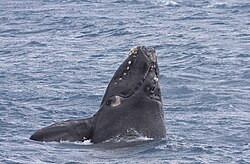
From the waters of Sydney Harbour to the meeting of the Indian and Southern Oceans at Cape Leeuwin, Australia offers year-round opportunities to witness migrating cetaceans.

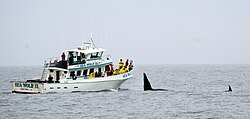
Regional Whale Watching Summary
| Region | Key Locations | Primary Species | Peak Season |
|---|---|---|---|
| Southwest Atlantic | Península Valdés (Arg), Imbituba (Bra) | Southern Right, Humpback | Winter/Spring |
| Northeast Atlantic | Norway, Iceland, Ireland | Orca, Sperm, Humpback | May–September / Oct–April |
| Northwest Atlantic | St. Lawrence River (Can), Massachusetts (USA) | Beluga, Humpback, Right Whale | Summer/Winter (Regional) |
| Central Pacific | Hawaii | Humpback | January–February |
| Southwest Pacific | Kaikōura (NZ), Queensland (Aus) | Sperm, Humpback, Southern Right | June–November |
Frequently Asked Questions
When is the best time to go whale watching?
The best time depends entirely on the location and species. For example, Hawaii is best in January and February, while the Sunshine Coast in Australia is prime from June to November.
Which locations allow for shore-based whale watching?
Several locations offer sightings from land, including Hermanus in South Africa, the coast of Santa Catarina in Brazil, and the cliffs of the Great Australian Bight in Australia.
What are the most common whale species seen on tours?
Humpback whales are among the most common due to their acrobatic behavior. Other frequent sightings include sperm whales, orcas (killer whales), and southern right whales.
Is whale watching sustainable?
Many regions now employ sustainable practices. For instance, in the Caribbean, organizations like the Caribbean Whale Watch Association work with conservationists to ensure tours do not disturb the animals.
Can whales be seen in urban areas?
Yes, whales have recently been spotted in harbors such as New York City and Boston, often following the return of prey fish to these waters.