Weihaiwei: The History of British Rule in a Leased Territory
Between 1898 and 1930, the territory of Weihaiwei served as a unique British leased territory in China. Originally envisioned as a strategic naval stronghold similar to Hong Kong, its trajectory shifted from a military outpost to a civilian-led administration and a holiday resort for expatriates. Known to British sailors as "Way High" and officially designated as Port Edward, the territory's history reflects the complex geopolitical tensions of the era.
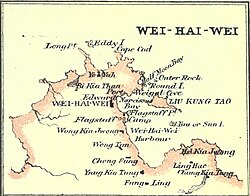
The initial administration was overseen by the War Office, with the first leaders based on Liu-kung Island. Sir Edward Hobart Seymour, a Senior Naval Officer of the Royal Navy, managed the territory at the start of the lease. However, a survey conducted by the Royal Engineers soon revealed that Weihaiwei was unsuitable for use as a major trading port or a primary naval base.
Transition from Military to Civil Governance
Following the Royal Engineers' findings, administration shifted in 1899 to a military and civil commissioner. The role was first held by Arthur Dorward (1899–1901) and subsequently by John Dodson Daintree (1901–1902). During this period, the territorial garrison comprised 200 British troops and the 1st Chinese Regiment (the Weihaiwei Regiment), which was led by British officers.
By 1901, the British government decided against fortifying the base. This led to a significant administrative shift: control moved from the War Office to the Colonial Office. This change allowed for the appointment of civilian commissioners, marking a new era for the territory's development.
The Era of Sir James Stewart Lockhart
In February 1902, Sir James Stewart Lockhart was appointed as the first Civil Commissioner. His tenure, which lasted until 1921, was transformative. Lockhart renamed the civil seat of the Commissioner from Matou (meaning "wharf" or "port") to Port Edward and began developing the area as a holiday resort for British expatriates.
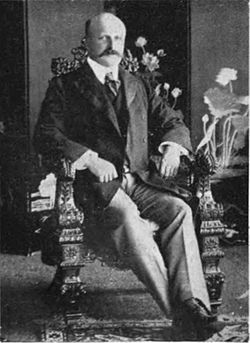
Unlike a full Governor, the Commissioner of Weihaiwei held significant autonomous authority. Because the position was not a full Governorship, the Commissioner did not need to consult executive or legislative councils when passing ordinances or making decisions. He also served as the official representative of the territory overseas.
Legal Status and Geopolitical Constraints
Weihaiwei was not developed with the same intensity as Hong Kong or other regional British colonies. This was largely because it was located within the Shantung Province, which fell under the sphere of influence of Germany (and later Japan after World War I). To maintain diplomatic balance, Britain provided assurances through Arthur Balfour that it would recognize the German sphere in Shantung and refrain from building a railway from Weihaiwei into the province's hinterland.
This geopolitical sensitivity influenced the legal framework of the territory. While most British colonies were managed under the British Settlements Act 1887, Weihaiwei was administered under the Foreign Jurisdiction Act 1890. This act granted extraterritorial powers—the legal status where British subjects were governed by British law rather than local law—over citizens in countries where Britain held such rights. Because Weihaiwei was a leased territory subject to rendition, it was not treated as a full colony.
Infrastructure and Symbolic Identity
Despite its limited development compared to other colonies, the British constructed several key facilities during their rule, including:
- Hospitals and residences
- Churches and tea houses
- Post offices and sports grounds
- A naval cemetery
The territory's identity was also reflected in its flag. Initially, the Commissioners used a Union Jack featuring a Chinese imperial dragon from the Qing dynasty. Sir James Stewart Lockhart, believing it inappropriate to use a Chinese national symbol on a British flag, requested a change. In 1903, King Edward VII approved a new design replacing the dragon with Mandarin ducks and established a separate civil flag for Weihaiwei.
Key Facts
- Duration of Rule: 1898 to 1930.
- Legal Basis: Administered under the Foreign Jurisdiction Act 1890 rather than the British Settlements Act 1887.
- Administrative Seat: Port Edward (formerly Matou).
- Military Force: Included 200 British troops and the 1st Chinese Regiment.
- Final Commissioner: Sir Reginald Johnston, a sinologist and former tutor to Emperor Pu Yi.
| Period | Governing Body | Type of Commissioner | Primary Focus |
|---|---|---|---|
| 1898–1901 | War Office | Military | Naval Base Establishment |
| 1901–1902 | War Office | Military/Civil | Transition Period |
| 1902–1930 | Colonial Office | Civilian | Civil Administration & Resort Development |
Frequently Asked Questions
Why was Weihaiwei not developed like Hong Kong?
Weihaiwei's development was limited because Shantung Province was within the sphere of influence of Germany and later Japan. Additionally, as a leased territory subject to return, it was not treated as a full colony.
What was the significance of the Foreign Jurisdiction Act 1890?
This act allowed Britain to exercise extraterritorial powers over its subjects in Weihaiwei, meaning they were governed by British law rather than Chinese law, without designating the area as a formal colony.
Who was the last Commissioner of Weihaiwei?
The final Commissioner was Sir Reginald Johnston, a sinologist who had previously served as a tutor to the last Chinese emperor, Pu Yi, from 1927 to 1930.
Why did the Commissioner's flag change in 1903?
Sir James Stewart Lockhart felt that using the Qing dynasty's imperial dragon on a British flag was inappropriate. He successfully requested that King Edward VII replace the dragon with Mandarin ducks.
Did Britain ever consider returning Weihaiwei earlier?
Yes. In 1909, the Governor of Hong Kong, Sir Frederick Lugard, proposed returning Weihaiwei to China in exchange for perpetual rule over the New Territories of Hong Kong, but this proposal was never adopted.