Waxes: Chemistry, Types, and Industrial Applications
Waxes are a diverse group of lipophilic solids—substances that are fat-soluble—which remain malleable near room temperature. Characterized by melting points typically above 40 °C (104 °F), these organic compounds transition into low-viscosity liquids when heated. While they are completely insoluble in water, they dissolve readily in nonpolar organic solvents such as benzene, chloroform, and hexane.
From the protective coating on a leaf to the structural integrity of a beehive, waxes serve critical biological and industrial functions. They are found in nature, produced by plants and animals, and extracted from petroleum and fossil fuels.
Key Facts
- Chemical Nature: Primarily consist of long aliphatic alkyl chains.
- Solubility: Insoluble in water; soluble in nonpolar organic solvents.
- Diversity: Includes natural (animal, plant, mineral) and synthetic (polyethylene, paraffin) varieties.
- Primary Use: Widely used for waterproofing, lubrication, and as components in complex industrial coatings.
The Chemistry of Waxes
At their core, waxes are organic compounds consisting of long aliphatic alkyl chains, though some may contain aromatic compounds. Natural waxes are chemically complex, often featuring unsaturated bonds and various functional groups, including aldehydes, ketones, primary and secondary alcohols, fatty acids, and fatty acid esters.
In contrast, synthetic waxes are generally simpler, consisting of homologous series of long-chain aliphatic hydrocarbons, such as paraffins or alkanes, which typically lack functional groups.

Natural Waxes: Animal and Plant Origins
Both plants and animals synthesize waxes, though their chemical compositions differ. Animal waxes are typically wax esters derived from carboxylic alcohols and fatty acids. Plant waxes, however, often feature mixtures of unesterified hydrocarbons. The specific composition of these waxes varies by species and the geographic location of the organism.
Animal-Derived Waxes
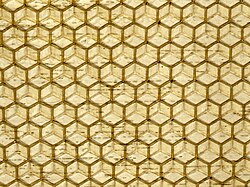
The most prominent example is beeswax, used by bees to build honeycombs. Its primary component is myricyl palmitate (an ester of palmitic acid and triacontanol), with a melting point between 62–65 °C (144–149 °F). Other examples include spermaceti from the head oil of sperm whales (containing cetyl palmitate) and lanolin, a sterol ester wax obtained from sheep's wool.
Plant-Derived Waxes
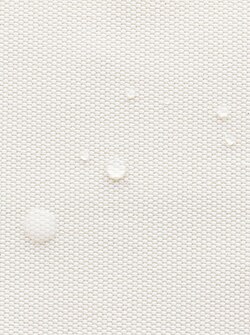
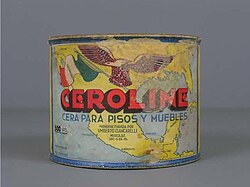
Plants secrete waxes onto their cuticles to regulate hydration, wettability, and evaporation. These epicuticular waxes are mixtures of long-chain aliphatic hydrocarbons, including fatty acids, alcohols, and alkyl esters. Commercially, carnauba wax—harvested from the Brazilian palm Copernicia prunifera—is the most significant. Containing myricyl cerotate, it is used in surfboard wax, furniture polish, and food coatings.
Mineral and Petroleum-Based Waxes
Unlike natural esters, paraffin waxes are hydrocarbons consisting of mixtures of alkanes. These are refined from petroleum via vacuum distillation and consist of saturated n- and iso-alkanes, naphthenes, and aromatic compounds. A common example is hentriacontane (C31H64). Microcrystalline wax is a related petroleum product with a higher percentage of branched (isoparaffinic) and naphthenic hydrocarbons.
Additionally, montan wax is a hard, fossilized wax extracted from lignite and brown coal. While naturally dark and odorous, it can be bleached for commercial use.
Synthetic Waxes: Polyethylene and Derivatives
Polyethylene waxes are manufactured through the direct polymerization of ethylene, the thermal degradation of high molecular weight polyethylene resin, or the recovery of low molecular weight fractions during resin production.
Because degradation and recovery methods can produce volatile low molecular weight materials that pose fire hazards, these waxes are often stripped to ensure a flash point above 500 °F (260 °C). This refining process is critical for products requiring FDA certification.
Common Applications of Waxes
Waxes are essential in both historical and modern contexts, primarily serving as coatings and lubricants.
Industrial and Commercial Uses
- Coatings: Polyethylene and polypropylene waxes are used in plastic colorants, while others provide wear resistance and matting effects in paints.
- Lubrication: Used as slip agents in furniture and release agents in mold making.
- Waterproofing: Applied to leather, fabric, and paper (waxed paper) to resist staining and moisture.
- Cosmetics: Beeswax and lanolin are key ingredients in lipstick and mascara.
Household and Artistic Uses
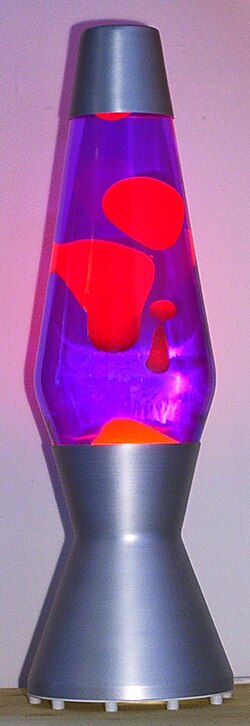
Waxes are used to create candles (paraffin, beeswax, and hydrogenated soybean oil) and art supplies like crayons and colored pencils. Historically, wax was used for sealing documents, writing tablets, and the "lost-wax" casting method for precious metals. In antiquity, it was used for figurines and sculptures, as seen in the Egyptian collections at the Louvre.

Summary of Wax Types
| Category | Primary Source | Chemical Characteristic | Common Example |
|---|---|---|---|
| Animal | Insects, Mammals | Wax Esters | Beeswax, Lanolin |
| Plant | Palms, Shrubs | Aliphatic Hydrocarbons/Esters | Carnauba, Jojoba |
| Petroleum | Crude Oil | Saturated Alkanes | Paraffin |
| Mineral | Coal, Lignite | Saturated Fatty Acids/Alcohols | Montan Wax |
| Synthetic | Ethylene Polymerization | Polyethylene chains | Polyethylene Wax |
Frequently Asked Questions
What is the difference between natural and synthetic waxes?
Natural waxes, produced by plants and animals, often contain esters and various functional groups like alcohols and ketones. Synthetic waxes, such as polyethylene or paraffin, are typically homologous series of long-chain aliphatic hydrocarbons without these functional groups.
Why do plants produce epicuticular waxes?
Plants secrete these waxes onto their surfaces to control hydration, manage wettability, and prevent excessive evaporation of water.
What is the primary use of polyethylene wax in industry?
Polyethylene wax is mainly used in the formulation of colorants for plastics, as a friction-reducing agent in inks, and to provide corrosion resistance and wear resistance in paints.
How is soy wax produced?
Soy wax is created through the hydrogenation process of soybean oil.
What makes montan wax different from paraffin wax?
Montan wax is a fossilized wax extracted from coal and lignite and is characterized by a high concentration of saturated fatty acids and alcohols, making it very hard, whereas paraffin is a petroleum-derived mixture of alkanes.