Washington, D.C. Official Species and Symbols
The District of Columbia is home to a diverse array of flora and fauna, some of which have been formally recognized as official symbols of the city. From prehistoric giants to tiny underground crustaceans, these species represent the natural heritage and unique biological diversity found within and around the nation's capital.
Key Facts
- Capitalsaurus is the official dinosaur of Washington, D.C., established by law in 1998.
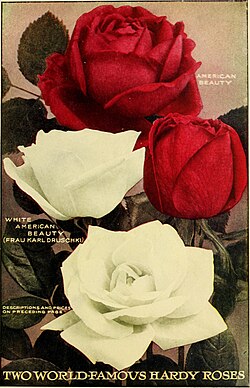
- The 'American Beauty' rose serves as the official flower of the district.
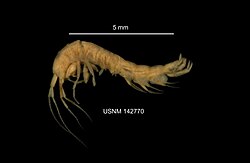
- The Hay's Spring amphipod is one of the rarest animals native to the city, found only near Rock Creek.
- The Wood thrush and Scarlet oak were among the earliest species adopted as symbols, in 1967 and 1960 respectively.
- The Big brown bat is the most recently adopted mammal symbol, recognized in 2020.
Avian and Mammalian Symbols
The city's official bird is the Wood thrush (Hylocichla mustelina), a medium-sized songbird native to eastern North American forests. Recognized in 1967, this bird is distinguished by its reddish-brown plumage and a white, spotted chest. It is highly regarded for its flute-like song. While they spend summers in the U.S. and southern Canada, they migrate to Central America for winter. Unfortunately, habitat loss and forest fragmentation have led to a decline in their population.
Representing the mammals is the Big brown bat, adopted in 2020. Found across North and Central America, as well as parts of South America, this bat uses echolocation—a biological sonar used to navigate and hunt—to find insects like moths and beetles at night. Notably, this species shows a higher resistance to white-nose syndrome, a devastating disease affecting other bat populations.
Aquatic and Underground Life
Washington, D.C. also recognizes unique aquatic species. The American shad (Alosa sapidissima), adopted in 2016, is a silvery fish related to herrings. These anadromous fish live in the ocean but migrate into rivers to spawn. While historically a vital food source rich in omega-3 fatty acids, their populations have suffered due to dams blocking migration routes.
Even more elusive is the Hay's Spring amphipod (Stygobromus hayi), a tiny, eyeless crustacean that resembles a small white shrimp. Adopted in 2016, it lives in dark underground springs near Rock Creek, feeding on organic material and decaying leaves. Due to pollution and habitat damage, it is considered one of the rarest animals native to the district.
Prehistoric Heritage: The Capitalsaurus
One of the most unusual official symbols is the Capitalsaurus. This is an informal genus name given to a caudal (tail) vertebra of a large theropod dinosaur from the Early Cretaceous period. The fossil was discovered on January 28, 1898, by workers excavating a sewer at First and F Streets SE.
After being previously classified as Creosaurus potens and Dryptosaurus potens, paleontologist Peter Kranz asserted in the 1990s that it was a unique type of dinosaur. Following a campaign in local schools, it became the official dinosaur of Washington, D.C., by law in 1998. The city further honored this discovery by naming the site Capitalsaurus Court and designating January 28, 2001, as Capitalsaurus Day.
Botanical Symbols
The floral identity of the city is defined by the 'American Beauty' rose (Rosa 'American Beauty'). Bred in France in 1875, this deep pink to crimson rose became a cultural icon in the U.S., appearing in art and film. It is prized for its long stems and strong fragrance.
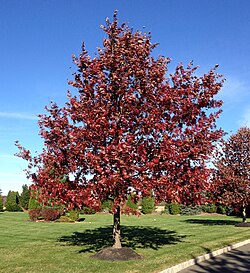
The Cherry (genus Prunus), adopted in 2006, is equally iconic. Whether sweet or sour, these fruits are valued for their nutritional content and the stunning blossoms that appear in spring. Complementing these is the Scarlet oak (Quercus coccinea), adopted in 1960. This large tree is famous for its bright scarlet-red autumn leaves and provides essential acorns for local wildlife.
Summary of Official Species
| Type | Species Name | Symbol/Scientific Name | Year Adopted |
|---|---|---|---|
| Tree | Scarlet oak | Quercus coccinea | 1960 |
| Bird | Wood thrush | Hylocichla mustelina | 1967 |
| Dinosaur | Capitalsaurus | Capitalsaurus | 1998 |
| Fruit | Cherry | Prunus | 2006 |
| Crustacean | Hay's Spring amphipod | Stygobromus hayi | 2016 |
| Fish | American shad | Alosa sapidissima | 2016 |
| Mammal | Big brown bat | Big brown bat | 2020 |
| Flower | 'American Beauty' rose | Rosa 'American Beauty' | N/A |
Frequently Asked Questions
What is the Capitalsaurus?
The Capitalsaurus is the official dinosaur of Washington, D.C. It is named after a tail vertebra of a large theropod from the Early Cretaceous period, discovered in 1898 during sewer excavation.
Why is the Hay's Spring amphipod endangered?
The Hay's Spring amphipod is endangered primarily due to pollution and habitat damage within the underground springs near Rock Creek where it resides.
What makes the Wood thrush unique?
The Wood thrush is best known for its beautiful, flute-like song and its distinctive appearance, featuring a reddish-brown head and a white chest with dark spots.
Which official species is resistant to white-nose syndrome?
The Big brown bat is noted for being fairly resistant to white-nose syndrome, a disease that has negatively impacted many other bat species.
What is the significance of the 'American Beauty' rose?
The 'American Beauty' rose is the official flower of Washington, D.C. It is a deep pink to crimson rose known for its strong scent and historical popularity as a cultural symbol in the United States.