Vuvuzelas in International Football: Noise, Controversy, and Technology
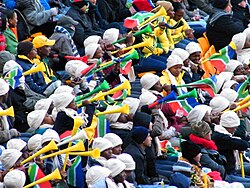
The vuvuzela, a loud plastic horn, became one of the most debated symbols of international sports during the late 2000s. While seen by some as a vibrant expression of cultural identity, others viewed the instrument as a disruptive force that impacted everything from player performance to global television broadcasts.
The Clash of Culture and Regulation
Leading up to the 2010 FIFA World Cup, the governing body of world football, FIFA, considered banning vuvuzelas from stadiums due to concerns that they could be used as weapons by hooligans. The instrument drew sharp criticism from various figures; columnist Jon Qwelane famously described it as an "instrument from hell," while Spanish midfielder Xabi Alonso and Dutch coach Bert van Marwijk both expressed their dislike for the unpleasant noise.
However, South African football authorities defended the horn as an essential part of the local football experience. Commentator Farayi Mungazi argued that banning the device would strip the tournament of its distinctiveness. This sentiment was echoed by FIFA President Sepp Blatter, who stated that the organization should not "Europeanise an African World Cup," emphasizing that noise, dancing, and excitement were central to South African football.
Ultimately, FIFA permitted the use of vuvuzelas during the 2009 FIFA Confederations Cup and the 2010 FIFA World Cup. While they achieved immense popularity during the event, the resulting noise pollution became a significant burden for television spectators.
Marketing and Public Reception
The cultural phenomenon sparked unique marketing efforts. Hyundai constructed the world's largest working vuvuzela in Cape Town. This 35-metre (115 ft) blue structure was mounted on the Foreshore Freeway Bridge and intended to sound at the start of each match. However, due to volume concerns from city authorities, it never actually sounded a note during the World Cup.
Despite the spectacle, the ubiquity of the horns led to widespread calls for limits or outright bans. The impact was felt across three primary areas:
- Broadcasting: Organizations including the BBC, RTÉ, ESPN, and BSkyB struggled with presentations, as the drone of the horns often drowned out game commentary.
- Player Performance: Competitors argued that the incessant noise disrupted team communication, hampered concentration, and degraded the quality of performance.
- Public Health: The noise levels created a surge in demand for earplugs to prevent hearing loss, leading to pharmacy shortages and prompting one major vuvuzela manufacturer to sell its own earplugs.
The Science of Audio Filtration
To combat the noise in broadcasts, engineers turned to notch filtering—an audio filtration technique designed to remove a specific frequency. Vuvuzelas typically produce notes at a frequency of approximately 235 Hz, with a first partial at 465 Hz.
While basic notch filtering could reduce the horn sound, it often negatively affected the clarity of the commentators' voices. To solve this, universities and research organizations proposed adaptive filters. These advanced systems aim to preserve the amplitude and clarity of crowd noise and commentary while suppressing the vuvuzela drone. Some cable television providers eventually adopted these techniques.
The 2018 Return
The vuvuzela's influence extended beyond South Africa. The instruments made a notable comeback during the 2018 FIFA World Cup in Russia, where they were used primarily by Iranian supporters. As with the 2010 tournament, their reappearance triggered a similar backlash from critics.
Key Facts
- Peak Popularity: Most prominent during the 2010 FIFA World Cup in South Africa.
- Frequency: Produces a primary frequency of approximately 235 Hz.
- Largest Model: A 35-metre blue vuvuzela built by Hyundai in Cape Town.
- Broadcasting Fix: Use of notch filtering and adaptive filters to clear commentary audio.
- Health Impact: Caused widespread shortages of earplugs in pharmacies.
| Stakeholder | Primary Concern | Outcome/Response |
|---|---|---|
| FIFA / Authorities | Hooliganism & Regulation | Permitted use for 2009/2010 tournaments |
| Players | Communication & Concentration | Reported degraded performance |
| Broadcasters | Audio Clarity | Implemented adaptive audio filtration |
| Spectators | Hearing Loss | High demand for earplugs |
Frequently Asked Questions
Why did FIFA consider banning vuvuzelas?
FIFA initially proposed a ban because the horns were viewed as potential weapons that could be used by hooligans in the stadiums.
How did vuvuzelas affect the players on the pitch?
Players and competitors believed the constant noise disrupted their ability to communicate with teammates, hindered their concentration, and interfered with their rest.
What is notch filtering in the context of the World Cup?
Notch filtering is an audio technique used by broadcasters to remove the specific frequencies produced by vuvuzelas (approximately 235 Hz and 465 Hz) to make commentary more audible.
Did the world's largest vuvuzela actually work?
Although Hyundai built a 35-metre working vuvuzela in Cape Town, it never sounded a note during the World Cup because city authorities were concerned about its volume.
Were vuvuzelas used in World Cups after 2010?
Yes, they reappeared during the 2018 FIFA World Cup in Russia, where they were used mainly by supporters from Iran, leading to renewed criticism.