Vienna: The Imperial Capital of Music, Art, and Diplomacy
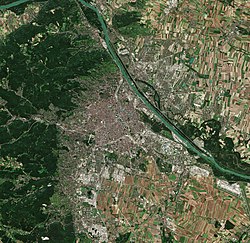
Vienna, the capital and largest city of Austria, stands as a timeless bridge between the grandeur of the Habsburg Empire and the dynamism of a modern European metropolis. Known globally for its contributions to classical music, psychology, and diplomacy, Vienna is not only a political hub but a cultural sanctuary. From the winding alleys of the Innere Stadt (Inner City) to the expansive banks of the Danube, the city blends imperial elegance with a high quality of life.
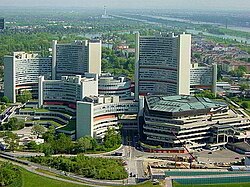
As a city-state and municipality, Vienna serves as the heart of Austria, boasting a population of over 2 million residents. Its unique status as a center for international relations makes it one of the few cities in the world to host multiple major global organizations, including the United Nations and OPEC.
Key Facts
- Population: 2,028,499 (2025 estimate), ranking 10th in Europe.
- Economy: A total GDP of €124.868 billion (2024) with a per capita GDP of €61,572.
- UNESCO Status: The Historic Centre of Vienna was designated a World Heritage Site in 2001.
- Geography: Spans 414.78 km², with a significant portion defined by the Danube river system.
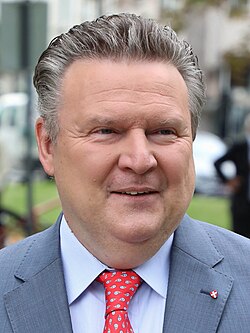
- Governance: Led by Mayor and Governor Michael Ludwig (SPÖ).
A Journey Through History
From Roman Roots to Imperial Glory
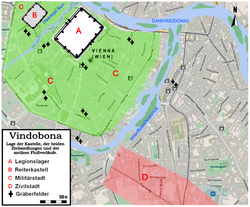
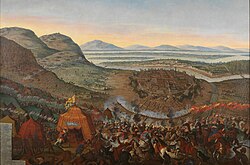
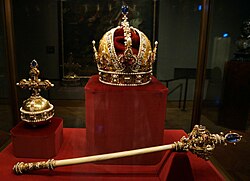
Vienna's origins date back to the Roman period, evolving from a military camp into a pivotal center of the Middle Ages. By the early modern period, it became the seat of the powerful Austrian Empire. The city's resilience was famously tested during the Siege of Vienna in 1683, a turning point that halted Ottoman expansion into Central Europe.
Revolution and the "Red Vienna" Era
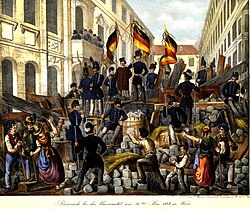
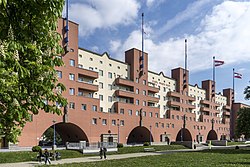
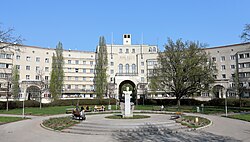
The 19th century brought political upheaval, notably the 1848 revolutions. Following the collapse of the monarchy after World War I, the city entered the era of Red Vienna (Rotes Wien), characterized by massive social housing projects, such as the Karl-Marx-Hof, designed to improve the living conditions of the working class.
War, Occupation, and Sovereignty
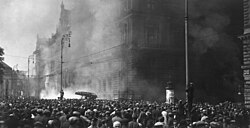
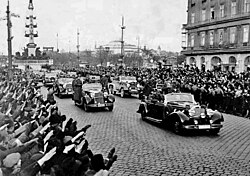
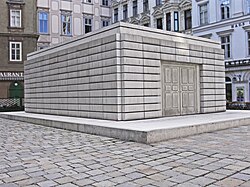
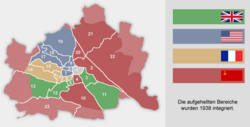
The mid-20th century was marked by the Anschluss (annexation) by Nazi Germany in 1938, leading to devastating losses and the Holocaust. Following World War II, Vienna was divided into four-power occupation zones until the Austrian State Treaty restored full sovereignty in 1955.
Geography and Urban Structure
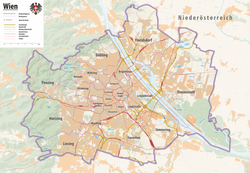
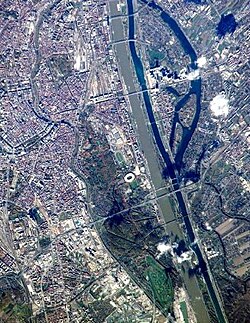
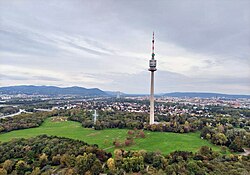
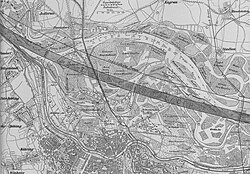
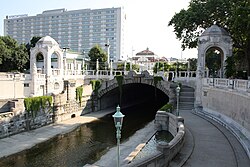
Vienna is defined by its relationship with water. The city is bisected by the Danube, which is managed through a complex system including the New Danube, the Old Danube, and the Donaukanal (Danube Canal). The Wien river also flows through the city, adding to its green landscape.
The District System
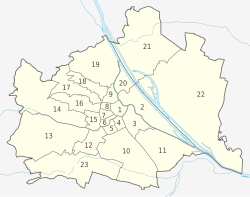
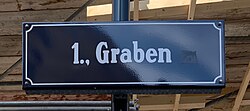
The city is organized into 23 districts. The 1st district, the Innere Stadt, is the historic core, while outer districts like Donaustadt and Floridsdorf offer more residential and industrial spaces.
Culture, Science, and the Arts
The City of Music
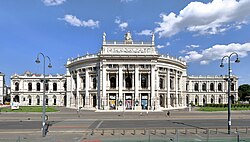
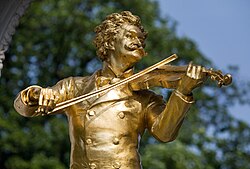
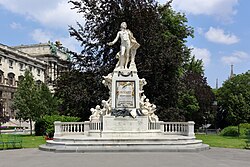
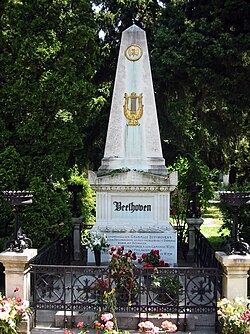
Vienna is synonymous with classical music. It was the home of legends like Mozart and Beethoven, and the legacy of the Strauss family continues to influence the city's identity. The State Opera and the Burgtheater remain pillars of the performing arts.
Intellectual and Scientific Legacy
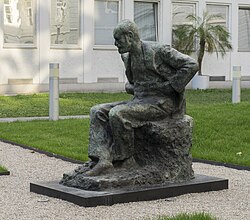
Beyond music, Vienna has been a crucible for modern thought. It is the birthplace of psychoanalysis, led by Sigmund Freud, and has hosted towering figures in philosophy and economics, including Ludwig Wittgenstein and Friedrich Hayek.
Museums and Architecture
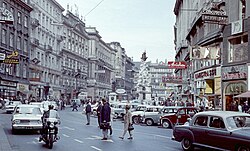
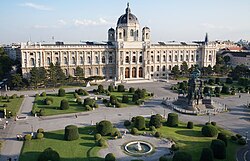
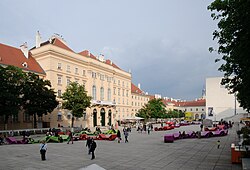
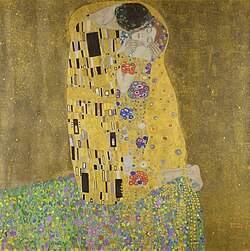
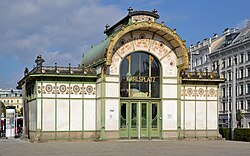
The city's architectural landscape ranges from the Baroque splendor of the Belvedere and Schönbrunn Palace to the Art Nouveau (Jugendstil) designs of the Stadtbahn stations. The MuseumsQuartier and the Kunsthistorisches Museum house some of the world's most significant art collections, including Gustav Klimt's The Kiss.
Lifestyle and Gastronomy
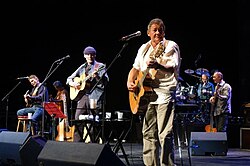
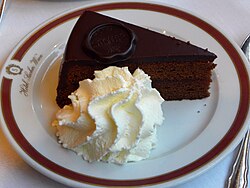
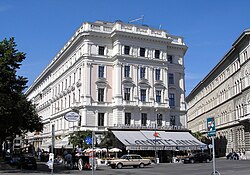
Viennese culture is perhaps best experienced in its coffee houses. These establishments, such as Café Central and Café Sacher, serve as "public living rooms" where intellectuals and tourists alike enjoy a Sachertorte (a rich chocolate cake) or a Melange.
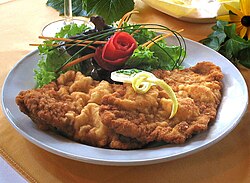
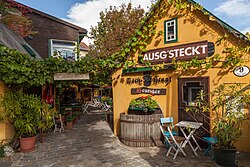
The city is also famous for its Heuriger—traditional wine taverns, particularly in districts like Grinzing, where local wines are served in a rustic setting. For food lovers, the Wiener Schnitzel remains the quintessential local dish.
Infrastructure and International Role
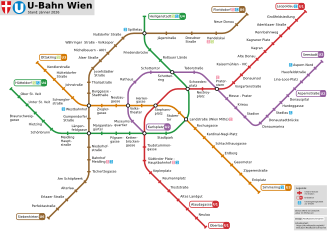
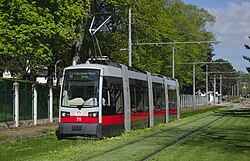
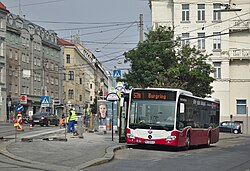
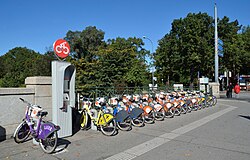
Vienna boasts a highly efficient public transport network, including the U-Bahn (subway), an extensive tram system, and a comprehensive bus network. This connectivity supports its role as a global diplomatic hub.
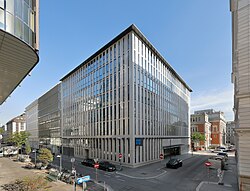
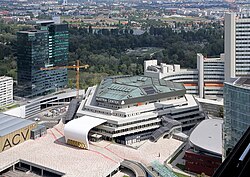
The city hosts numerous international organizations, most notably the United Nations (UN), the International Atomic Energy Agency (IAEA), and the Organization of the Petroleum Exporting Countries (OPEC), cementing its status as a neutral ground for global diplomacy.
| Category | Detail |
|---|---|
| Total Area | 414.78 km² |
| Population (2025) | 2,028,499 |
| GDP per capita (2024) | €61,572 |
| Human Development Index | 0.948 (Very High) |
| Major Rivers | Danube, Wien |
Frequently Asked Questions
What is "Red Vienna"?
Red Vienna refers to the period between the world wars when the Social Democratic Party governed the city, implementing sweeping social reforms and constructing large-scale public housing complexes known as Gemeindebauten.
Which international organizations are headquartered in Vienna?
Vienna hosts several major organizations, including the United Nations (UN), the International Atomic Energy Agency (IAEA), the Organization for Security and Co-operation in Europe (OSCE), and OPEC.
What are the most famous Viennese foods?
The most iconic are the Wiener Schnitzel (breaded veal cutlet) and the Sachertorte (a dense chocolate cake with apricot jam), typically enjoyed in the city's historic coffee houses.
How is the city of Vienna divided?
Vienna is divided into 23 administrative districts. The 1st district is the historic center (Innere Stadt), and the districts are numbered spirally outward from the center.
What is the significance of the Danube in Vienna?
The Danube is the city's primary waterway, essential for transport and ecology. It has been regulated into several parts, including the main river, the New Danube, the Old Danube, and the Donaukanal.