Veria: A Journey Through the Historic Heart of Central Macedonia
Nestled in the geographic region of Macedonia in northern Greece, Veria (officially transliterated as Veroia) serves as the capital of the Imathia regional unit. Located approximately 73 km west-southwest of Thessaloniki and 511 km north-northwest of Athens, this city is a living museum where layers of Classical, Roman, Byzantine, and Ottoman history converge.
From its role as a Roman provincial capital to its significance as a center of early Christian preaching, Veria offers a rich tapestry of cultural heritage. Today, it is known not only for its architectural landmarks but also for its commitment to education and its proximity to some of the most important archaeological sites in the world.
Key Facts
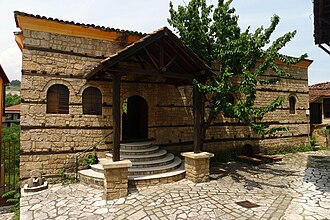
- Administrative Status: Capital of the Imathia regional unit in Central Macedonia.
- Population: 62,655 (Municipality, 2021 census).
- UNESCO Site: Home to the Archaeological Site of Aigai (modern-day Vergina).
- Religious Significance: A site where the Apostle Paul and Silas preached in the 1st century AD.
- Cultural Landmark: Features the Anastasis Church, renowned for its 14th-century frescoes.
A Timeline of History
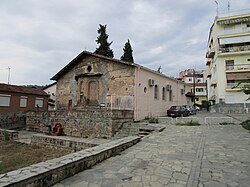
Classical and Roman Eras
Veria's strategic importance was recognized early on; the city surrendered to Rome in 168 BC. Under the Roman Empire, it flourished as a place of worship and was designated by Emperor Diocletian as one of the two capitals of the Roman province of Macedonia. It is notably mentioned in biblical history as the location where the Apostle Paul and his companion Silas preached to Jewish and Greek communities around AD 50/51 or 54/55.
The Byzantine Period
The city's Byzantine era was marked by frequent shifts in power. It was held by the Bulgarian Empire in the late 9th century, where Tsar Boris I constructed one of his seven cathedral churches. Throughout the 10th to 14th centuries, Veria cycled through the control of the Byzantines, Normans, and the Kingdom of Thessalonica. By the mid-14th century, it became part of the Serbian Empire under Stephen Dushan before eventually falling to the Ottoman Turks between 1385 and 1430.
Ottoman Rule and the "Black Veria"
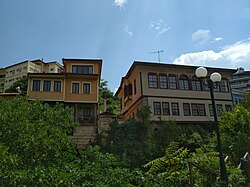
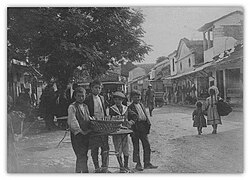
The Ottomans referred to the city as Karaferye ("black Veria"), a name derived from the characteristic morning mist that blankets the city during humid winters. During this period, Veria became a prosperous center for rice production and a hub of Greek commerce and learning. By the late 19th century, the city was a diverse urban center with numerous Muslim, Christian, and Jewish quarters.
Modern Greece
Driven by a prosperous and educated bourgeoisie, Veria became a focal point for Greek nationalism. Its citizens played an active role in the Greek War of Independence. The city officially became part of modern Greece on October 16, 1912, during the Balkan Wars—a date still celebrated as an official local holiday.
Culture, Architecture, and Education
Byzantine and Ottoman Landmarks
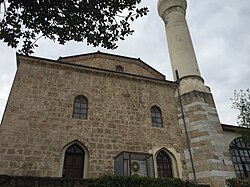
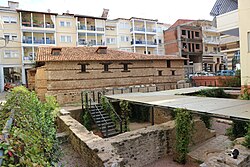
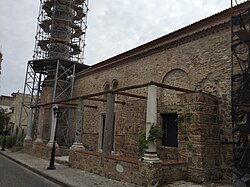
Veria is celebrated for its ecclesiastical architecture. The Anastasis Church (Church of the Resurrection) is the city's most significant Byzantine monument, featuring spectacular frescoes from 1315 that rival the art of Constantinople. The city also preserves a unique blend of Ottoman structures, including eight surviving mosques and the Twin Hamam (traditional Turkish bath).
The Archaeological Site of Aigai
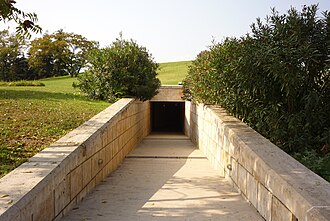
One of the most prestigious sites in the region is the Archaeological Site of Aigai, located in modern-day Vergina. Inscribed as a UNESCO World Heritage Site in 1996, it includes the Ancient City and Necropolis of Aegae, as well as a Bronze Age settlement and Cemetery of Tumuli.
Educational Excellence
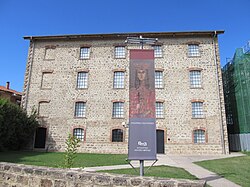
Veria hosts one of Greece's largest public libraries. This institution gained international recognition in 2010 when it received the Access to Learning Award (ATLA) from the Bill & Melinda Gates Foundation, receiving $1,000,000 to expand its multimedia and rare edition collections.
Geography and Climate
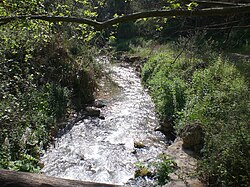
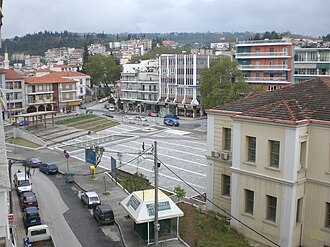
The municipality covers an area of 796.5 km², with the city situated at an elevation of 128 meters. The climate is characterized by warm summers and cool, humid winters. The city is well-connected via the EO4 national road and the A2 motorway (Egnatia Odos), facilitating travel across Northern Greece.
| Category | Detail |
|---|---|
| Region | Central Macedonia, Greece |
| Municipality Area | 796.5 km² |
| Population (2021) | 62,655 |
| Elevation | 128 m |
| Key UNESCO Site | Archaeological Site of Aigai (Vergina) |
Notable Figures
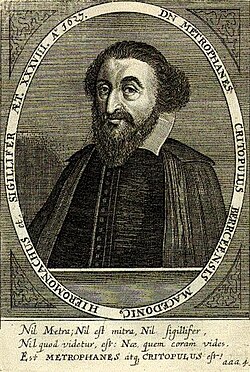
Veria has been the birthplace of numerous influential figures, including Demetrius Vikelas, the first president of the International Olympic Committee, and Ioannes Kottounios, a Renaissance humanist and philosopher.
![Ioannes Kottounios, Renaissance humanist and professor of Philosophy at various Italian universities, was born in Veria in 1577.[31]](/images/db/68/db688edef87a698dd538f4a4ffc1650ef478200f8fef081c477cb66f5dc76010.jpg)
Frequently Asked Questions
Why was Veria called "Black Veria" during the Ottoman period?
The Ottomans called the city Karaferye ("black Veria") because of the thick morning mist that frequently occurs during the humid winter seasons.
What is the significance of the Anastasis Church?
The Anastasis Church is home to some of the finest Palaiologan art in the world, featuring spectacular frescoes from 1315 that are comparable to those found in Thessaloniki and Constantinople.
Which UNESCO World Heritage site is associated with Veria?
The Archaeological Site of Aigai, located in modern-day Vergina, is a UNESCO World Heritage site featuring the ancient city, necropolis, and Bronze Age settlements.
What is the historical importance of Veria in the New Testament?
Veria is recorded as the place where the Apostle Paul and Silas preached to the local Jewish and Greek communities in the 1st century AD after leaving Thessalonica.
What makes the Veria Public Library unique?
It is one of the largest public libraries in Greece and was awarded $1,000,000 by the Bill & Melinda Gates Foundation in 2010 for its commitment to learning and accessibility.