Verbotene Liebe: The History and Legacy of Germany's Glamour Soap
Premiering on January 2, 1995, on the German channel Das Erste, Verbotene Liebe (Forbidden Love) became a cornerstone of German television. Based on the Australian soap opera Sons and Daughters, the series blended high-society glamour with intense family drama. While initially rejected by RTL executives who doubted the appeal of a romance between siblings, the show eventually became a massive hit, attracting up to three million daily viewers at its peak.
The series centered on the stark contrast between the working-class Brandner family and the aristocratic Von Anstettens in the Düsseldorf and Cologne regions. The foundational plot followed Jan Brandner and Julia von Anstetten, two strangers who fell in love only to discover they were twins separated at birth.
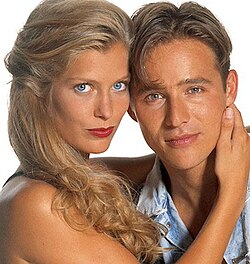
Key Facts
- Premiere Date: January 2, 1995, on Das Erste.
- Core Premise: A star-crossed romance between twins Jan Brandner and Julia von Anstetten.
- Peak Popularity: Reached a daily audience of three million viewers.
- LGBT Milestones: Featured the first lesbian wedding and the first male church wedding in German TV history.
- Final Format: Transitioned from a daily soap to a weekly series titled Vergeltung before its final cancellation.
Dramatic Rivalries and Plot Twists
Beyond the central sibling romance, the show was driven by the cutthroat rivalry between Clarissa von Anstetten and Tanja von Lahnstein. Tanja, a social climber, initially attempted to manipulate Henning von Anstetten through a fake pregnancy. When Clarissa exposed her, Tanja embarked on a campaign of revenge that included the murder of two husbands and the kidnapping of Clarissa.
As the years progressed, the show continued to employ the "forbidden love" trope. In 2006, Sarah Hofmann and Leonard von Lahnstein discovered they shared a father, Johannes von Lahnstein. Later, in 2009, the series introduced a darker twist with Tristan von Lahnstein, who harbored an obsession with his twin sister, Helena.
The Evolution of the Cast
The series saw significant cast rotations. After Valerie Niehaus (Julia) and Andreas Brucker (Jan) left in 1997, the focus shifted toward Clarissa and the Prozeski family. Despite attempts to pivot the narrative, fan demand for the Brandner family remained high. Later years saw the return of fan favorites like Isa Jank (Clarissa) and Miriam Lahnstein (Tanja), who were presumed dead in a plane crash before eventually returning to the screen.
A Beacon of LGBT Inclusivity
Verbotene Liebe is widely recognized for its progressive portrayal of same-sex relationships. While not the first to feature homosexual characters, it broke several ground-breaking barriers in German media.
- Early Representation: Gero von Sterneck was one of the first characters to explore a fluid sexuality.
- Lesbian Milestones: In 2006, the show aired the first lesbian wedding in German television history between Carla von Lahnstein and Susanne Brandner.
- Male Representation: The relationship between Oliver Sabel and Christian Mann gained international acclaim for its cliché-free portrayal, culminating in the first televised male church wedding in Germany in 2010.
- International Recognition: The pairing of Marlene Wolf and Rebecca von Lahnstein earned a spot on AfterEllen's "Top 25 Lesbian/Bi Characters on TV" list in 2013.
Social Impact and the Departure of Arno Brandner
The series also used its platform to address serious health issues. In 2012, the character of Arno Brandner, described as the "soul" of the show, was diagnosed with Alzheimer's disease (a progressive brain disorder that affects memory and thinking). Das Erste used this storyline to sensitize viewers to the realities of dementia and the challenges faced by caregivers.
The Road to Cancellation
By 2010, declining ratings led to rumors of cancellation. In an attempt to save the show, Das Erste extended episodes from 20 to 45 minutes and recast the original lead roles of Jan and Julia. However, these changes were met with mixed reviews from fans and failed to stop the ratings slide.
| Period | Format/Status | Key Event |
|---|---|---|
| 1995–2011 | Daily Soap (20 min) | Initial success and peak viewership. |
| 2011–2014 | Daily Soap (45 min) | Attempted revival with extended episodes. |
| July 2014 | Canceled | Official announcement of the end of the daily series. |
| Feb–June 2015 | Weekly Series | Relaunched as Vergeltung (Retribution). |
| June 2015 | Final Cancellation | Show ended permanently due to poor ratings. |
The daily series officially ended in early 2015, marking 20 years of television history. Despite the heartbreak of loyal fans and protests on social media, the network replaced the slot with the game show Quizduell.
The Final Attempt: Vergeltung
In a sudden reversal, ARD announced a weekly revival in September 2014. This new version, titled Vergeltung, featured a darker plot, more opulent imagery, and a reduced cast. However, the new concept was widely criticized by the fanbase, and the resulting drop in ratings led to the show's permanent cancellation in June 2015.
Frequently Asked Questions
What was the central plot of Verbotene Liebe?
The show primarily focused on the forbidden romance between Jan Brandner and Julia von Anstetten, who discovered they were twins separated at birth, set against the backdrop of high society in Düsseldorf and Cologne.
Why was the show considered a pioneer for LGBT rights?
It featured the first lesbian wedding on German TV and the first church wedding between two men, receiving international praise for its inclusive and realistic portrayals of same-sex couples.
How did the show handle the topic of dementia?
Through the character of Arno Brandner, the show depicted a realistic struggle with Alzheimer's disease to raise awareness about the condition and its impact on families.
Why was the daily series eventually canceled?
The show suffered from a steady decline in viewership over several years. Efforts to increase episode length and recast original roles failed to regain the audience's interest.
What happened during the weekly revival?
The show returned as a weekly series called Vergeltung in 2015 with a darker tone and new characters, but it was poorly received by fans and canceled shortly after.