Variety Shows: The Evolution of Multi-Genre Entertainment
The variety show is a versatile entertainment format that blends multiple artistic disciplines—such as music, dance, and sketch comedy—into a single production. From the rowdy music halls of the United Kingdom to the polished stages of modern television, the variety format has served as a primary vehicle for discovering new talent and reflecting the cultural zeitgeist of the era.
The Roots of Variety: Stage and Radio
Before the advent of electronic media, variety entertainment thrived in live venues. In the United Kingdom, music hall performances provided a training ground for legendary entertainers like Charlie Chaplin, Stan Laurel, and Marie Lloyd. Similarly, in the United States, vaudeville—a theatrical genre of miscellaneous acts—allowed performers such as the Marx Brothers and Jack Benny to hone their craft, often starting in the Borscht Belt before transitioning to film and radio.
During the Golden Age of Radio (late 1920s through the 1940s), the variety format transitioned to the airwaves. These shows typically featured a house band, a vocalist, a stand-up monologue, and short comedy sketches. Over time, the recurring characters and sketches found in radio variety shows evolved into the modern sitcom (situation comedy).
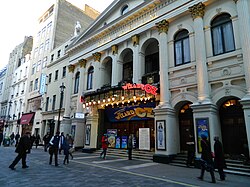
In the UK, the pinnacle of success for a variety artist was the Royal Command Performance at the London Palladium. Established in 1912 and renamed the Royal Variety Performance in 1919, this annual event continues to showcase top talent before the British monarch.
The Golden Age of Television (1931–1960)
Variety shows were among the first programs to appear during the experimental mechanical television era of the early 1930s, though no recordings from that period survive. Following World War II, the genre exploded during the Golden Age of Television (roughly 1948 to 1960), with many programs adapting successful radio formats.
One of the most influential programs was The Ed Sullivan Show (1948–1971), which famously introduced acts like Elvis Presley and The Beatles to a massive American audience. Other landmarks included Music & the Spoken Word, the longest-running variety show in U.S. history, and The Arthur Murray Party, which achieved the rare feat of appearing on all four major networks simultaneously.
In Britain, the 1950s saw the rise of The Good Old Days, which utilized Victorian and Edwardian costumes for both performers and the audience to recreate the music hall atmosphere. Other staples included Tonight at the London Palladium and The White Heather Club.
Expansion and the "Rural Purge" of the 1960s and 70s
The 1960s brought a wave of star-driven variety shows, including those hosted by Dean Martin, Carol Burnett, and Rowan & Martin's Laugh-In. By 1969, a trend of "rural appeal" shows emerged, such as Hee Haw and The Johnny Cash Show.
However, the early 1970s marked a turning point known as the rural purge. American networks, particularly CBS, canceled shows that appealed to older or rural demographics to attract wealthier, urban audiences. While many shows vanished, some, like The Lawrence Welk Show, survived by moving into first-run syndication.
Despite this shift, the 1970s produced Saturday Night Live (1975–present), which blended variety and sketch comedy to become the second-longest-running variety show in U.S. history. Other notable hits included The Muppet Show and The Sonny & Cher Comedy Hour.
The Decline and Modern Legacy
By the 1980s, viewer interest in the traditional variety format waned. While there were brief revivals—such as The Tracey Ullman Show and a short-lived return of The Carol Burnett Show in 1991—networks largely abandoned the format. The proliferation of cable and satellite television fractured audiences, making the "something for everyone" approach of variety shows impractical.
In the 21st century, the format exists primarily through reruns on networks like PBS (for The Lawrence Welk Show) and RFD-TV. Modern attempts to revive the genre, such as NBC's Maya & Marty or Best Time Ever, have seen limited success. Internationally, the format remains more robust; for example, the Spanish-language Sabado Gigante ran from 1962 until 2015.

Key Facts
- Predecessors: Music hall (UK) and Vaudeville (US) provided the foundation for variety shows.
- Longest Running: Music & the Spoken Word holds the record for the longest-running variety show on U.S. television.
- The Rural Purge: A 1970-1971 network shift that canceled shows targeting rural demographics to attract wealthier viewers.
- Evolution: Variety show comedy sketches are the direct ancestors of the modern situation comedy (sitcom).
- Modern Survival: Saturday Night Live is the only major 1970s variety show still producing new episodes today.
| Show Name | Primary Era | Key Characteristic |
|---|---|---|
| The Ed Sullivan Show | 1948–1971 | Introduced major musical acts to the US |
| The Good Old Days | 1953–1983 | Victorian/Edwardian period costumes |
| Saturday Night Live | 1975–Present | Blend of sketch comedy and musical guests |
| Hee Haw | 1969–1992 | Rural and country-music appeal |
| Sabado Gigante | 1962–2015 | Long-running Spanish-language variety |
Frequently Asked Questions
What is the difference between vaudeville and a variety show?
Vaudeville was a live theatrical form of entertainment featuring a series of unrelated acts. The variety show is the evolved version of this format, adapted for radio and later television.
What was the "rural purge"?
The rural purge occurred in 1970 and 1971 when U.S. television networks canceled programs that appealed to rural and older audiences in favor of shows targeting wealthier, urban demographics.
Which variety show is the longest-running in U.S. television history?
Music & the Spoken Word is the longest-running variety show in U.S. television history, having transitioned from radio to television.
How did variety shows influence modern television?
Variety shows were instrumental in the creation of the sitcom, as the recurring characters and comedy sketches used in variety formats eventually evolved into standalone situation comedies.
Why did variety shows become less popular in the 21st century?
The decline is largely attributed to changing viewer tastes and the fracturing of audiences caused by the rise of cable and satellite television, which made broad, multi-genre programming less practical.