Utah State Symbols: A Comprehensive Guide to the Beehive State's Icons
From the towering peaks of the Rocky Mountains to the shimmering expanse of the Great Salt Lake, Utah is a land of diverse geography and rich heritage. To honor this unique identity, the state has adopted a wide array of official symbols. These icons represent not only the natural beauty of the region but also the resilience of the pioneers and the industrial spirit of its people.
Many of these symbols center around the theme of the beehive, which serves as a metaphor for industry and cooperation—the very essence of Utah's state motto.
Key Facts
- The Beehive is the central emblem of Utah, symbolizing the state motto, "Industry."
- The Sego Lily has been the official state flower since 1911.
- The Allosaurus is the state fossil, with the highest concentration of these Jurassic fossils found in Utah's Cleveland-Lloyd Dinosaur Quarry.
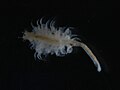
- The Great Salt Lake is represented by the brine shrimp (state crustacean) and the Spiral Jetty (state work of land art).
- The State Flag was updated in 2024 to better reflect Utah's red rocks and snowy mountains.
Natural Heritage: Flora and Fauna
Utah's official animals and plants often reflect the state's survival history and ecological diversity. The Sego lily (Calochortus nuttallii), adopted in 1911, provided vital food for Native Americans and Mormon pioneers during times of scarcity.
In the animal kingdom, the Rocky Mountain elk (Cervus canadensis nelsoni) represents the wilderness of the peaks, while the California gull (Larus californicus) holds a special place in history. The gull was named the state bird in 1955 to commemorate the "miracle of the gulls," where the birds saved pioneer crops from Mormon crickets in 1848.
Aquatic and Reptilian Symbols
The state's waters are represented by the Bonneville cutthroat trout (Oncorhynchus clarki Utah), a native species that replaced the Rainbow Trout as the state fish in 1997. In the Great Salt Lake, the brine shrimp (Artemia franciscana) serves as a critical food source for migratory birds.
On land, the Gila monster (Heloderma suspectum) is the state reptile. It is the only venomous lizard native to the United States, though its sluggish nature makes it a low threat to humans.
Geology, Fossils, and Minerals
Utah is a treasure trove of geological wonders. The state's mineral wealth is highlighted by copper, with the Bingham Canyon Open Pit Copper Mine being the most productive copper mine in history. The state gem is topaz, found in yellow, gold, red, and pink hues across Juab, Tooele, and Beaver counties.
The state's prehistoric past is anchored by the Allosaurus. As a dominant meat-eating Theropod of the late Jurassic period, its fossils are most densely concentrated at the Cleveland-Lloyd Dinosaur Quarry. Additionally, the state recognizes honeycomb calcite, a unique stone found only in the Uinta Mountains, and coal, which has been mined in Carbon and Emery counties since 1881.
Culture, History, and Industry
The concept of "Industry" is woven into the state's fabric. The beehive is the official emblem, and the honey bee (Apis mellifera) is the state insect. This connection dates back to the provisional government of the State of Deseret, where "Deseret" means honeybee in the Book of Mormon.
Cultural traditions are also codified through symbols. The square dance is the official state dance, reflecting the social history of early settlers. The Dutch oven, the primary cooking vessel for pioneers, is honored as the state cooking pot, celebrated annually at the World Championship Dutch Oven Cookoff near Logan.
State Symbols Summary Table
| Category | Symbol | Significance | Year Adopted |
|---|---|---|---|
| Emblem | Beehive | Symbolizes the state motto "Industry" | 1959 |
| Flower | Sego lily | Historical food source for pioneers | 1911 |
| Fossil | Allosaurus | Most common Jurassic Theropod in Utah | 1988 |
| Bird | California gull | Saved pioneer crops from crickets | 1955 |
| Mineral | Copper | Bingham Canyon is the world's most productive mine | 1994 |
| Tree | Quaking aspen | Home to the ancient Pando grove | 2014 |
Frequently Asked Questions
Why is the beehive so important to Utah?
The beehive symbolizes "Industry," which is the state's official motto. It was used by the provisional government of the State of Deseret (meaning honeybee) and remains a central feature of the state flag and seal.
What is the "miracle of the gulls"?
In 1848, Mormon crickets threatened to destroy the first harvest of the pioneers in Utah. California gulls arrived and ate the crickets, saving the crops, which led to the gull being named the state bird in 1955.
Why was the state song changed in 2003?
The original song, "Utah, We Love Thee," was replaced by "Utah…This Is The Place" because school children found the original less fun to sing. The change was prompted by legislation presented on behalf of 4th graders from Davis County.
What makes the Allosaurus significant to Utah?
Utah's Cleveland-Lloyd Dinosaur Quarry contains the densest concentration of Jurassic period fossils ever discovered, and more Allosaurus fossils have been found there than anywhere else in the world.
What is the Spiral Jetty?
The Spiral Jetty is a famous work of land art created by American sculptor Robert Smithson, located on the northeast shore of the Great Salt Lake. It was named a state symbol in 2017.