Uruguay: A Comprehensive Overview of the Oriental Republic
The Oriental Republic of Uruguay is a sovereign nation located in the Southern Cone of South America. Known for its stability, high quality of life, and rich cultural heritage, Uruguay serves as a vital link between the regional giants of Brazil and Argentina. From its bustling capital, Montevideo, to the serene vineyards of its interior, the country blends a deep respect for its colonial past with a forward-looking approach to governance and sustainability.
With a population of approximately 3.5 million people, Uruguay is characterized by its diverse ethnic composition and a strong commitment to democratic values, reflected in its motto, Libertad o Muerte (Freedom or Death).
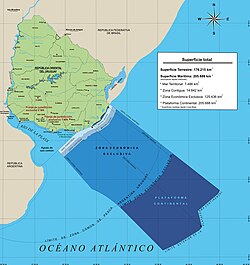
Key Facts
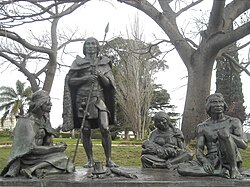
- Capital: Montevideo, the largest city and primary economic hub.
- Government: Unitary presidential republic.
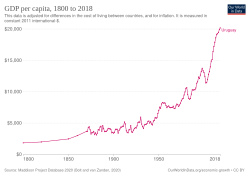
- Economy: High GDP per capita with a strong emphasis on agriculture and renewable energy.
- Demographics: Predominantly White (86%), with significant Black (10.4%) and Indigenous (6.3%) populations.
- Sustainability: A global leader in wind power, which grew from 1% of the electricity mix in 2013 to 34% by 2018.
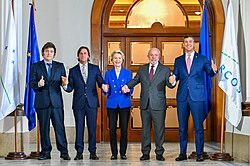
- International Role: Host to the seat and parliament of Mercosur.
History and Evolution
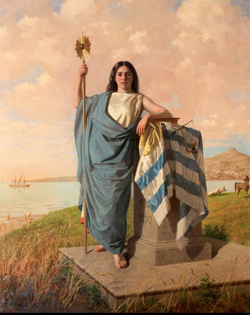
Colonial Era and Independence
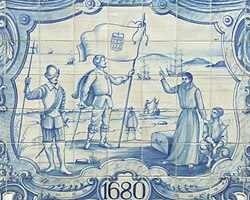
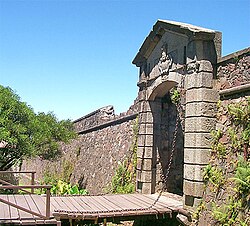
Uruguay's colonial history was marked by competition between European powers. The Portuguese established Colonia do Sacramento in 1680, creating a strategic foothold in the region.
The drive for sovereignty intensified in the early 19th century. In 1825, the oath of the Thirty-Three Orientals initiated the process of gaining independence from the Empire of Brazil. This struggle saw key military victories, such as the Battle of Sarandí in 1825, where Uruguayan troops first defeated the Brazilian Empire.
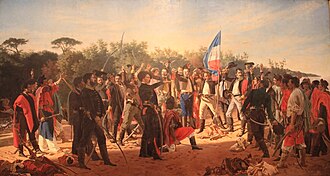
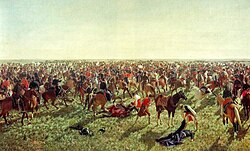
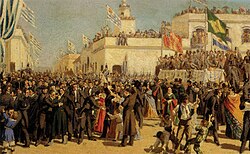
Independence was officially declared on August 25, 1825, and recognized on August 27, 1828. The process culminated on July 18, 1830, with the proclamation of the country's first Constitution.
Modern Era and Political Transition
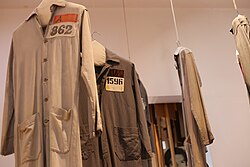
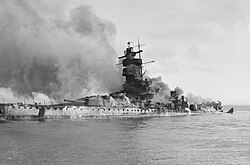
Throughout the 20th century, Uruguay experienced periods of significant growth and political turmoil. The country endured a civic-military dictatorship, the memory of which is preserved today at the Museum of Memory, which exhibits garments worn by prisoners during that era.
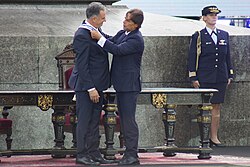
The return to democracy in 1984 ushered in a period of stability. Recent political transitions continue this trend, as seen in the March 2025 inauguration of President Yamandú Orsi, succeeding Luis Lacalle Pou.
Geography and Administration
Territorial Organization
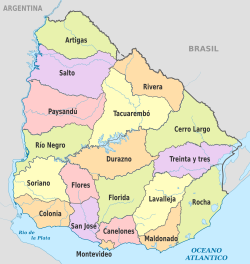
Uruguay is divided into 19 departments, each with its own capital. The administrative structure ensures governance across its total area of 176,215 square kilometers.
Climate and Environment
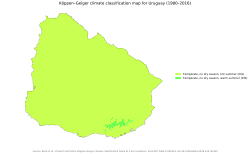
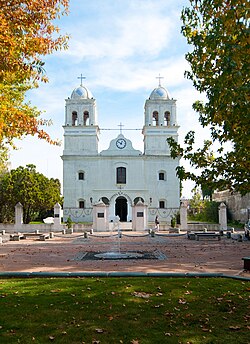
The country features a temperate climate, as detailed in the Köppen–Geiger climate classification. Its landscape is dominated by rolling plains and a coastline that facilitates significant maritime trade.
| Department | Capital | Area (km²) | Population (2023) |
|---|---|---|---|
| Montevideo | Montevideo | 530 | 1,302,954 |
| Canelones | Canelones | 4,536 | 608,956 |
| Maldonado | Maldonado | 4,793 | 212,951 |
| Salto | Salto | 14,163 | 136,197 |
| Tacuarembó | Tacuarembó | 15,438 | 96,013 |
Economy and Infrastructure
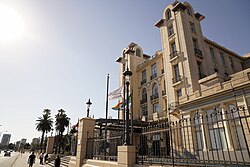
Economic Drivers
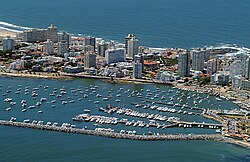
Uruguay possesses a robust economy with a very high Human Development Index (HDI) of 0.862. Agriculture remains a cornerstone, particularly cattle ranching, while tourism has grown into a major sector. Punta del Este is one of the premier tourist destinations in the Southern Cone.
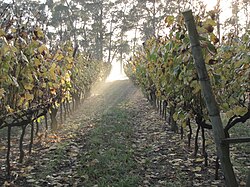
Transportation and Trade
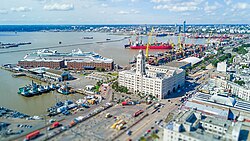
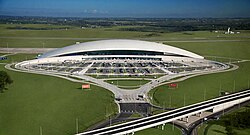
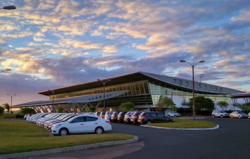
The Port of Montevideo is a critical hub for high sea and inland navigation in the Río de la Plata Basin. Air travel is facilitated primarily through the Carrasco International Airport in Montevideo and the Punta del Este International Airport.
Energy Innovation
Uruguay has made a dramatic shift toward green energy. The rapid expansion of wind power is a hallmark of its energy policy, significantly reducing reliance on fossil fuels.
![Wind power rapidly grew from 1% of Uruguay's electricity mix in 2013 to 34% in 2018.[157]](/images/d8/35/d8357b2b393a9de44d2fae7002cd22fc670c5fc7a1c6a76cbfb9db7b6a9d63b0.jpg)
Culture and Society
Arts and Architecture
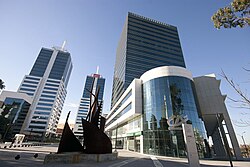
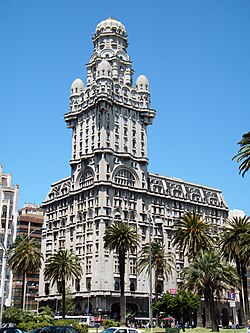
The country's architectural landscape ranges from the historic old town of Colonia del Sacramento—a UNESCO World Heritage Site—to the modern World Trade Center Montevideo. The Palacio Salvo, built between 1925 and 1928, once held the title of the tallest building in Latin America.
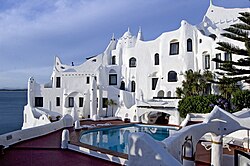
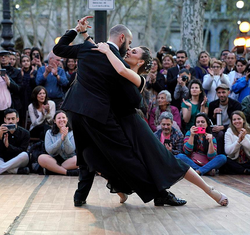
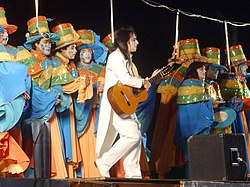
Artistic expression is vibrant, from the "livable sculpture" of Casapueblo by Carlos Páez Vilaró to the traditional Murga singers and Tango dancers of Montevideo.
Education and Sports
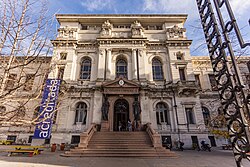
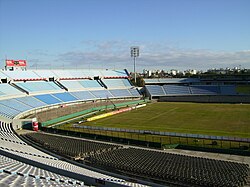
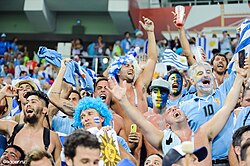
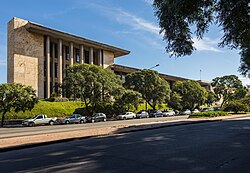
Uruguay values higher education, with institutions like the University of the Republic's Faculty of Medicine (founded 1849) leading the way. In sports, football is a national passion, epitomized by the historic Centenario Stadium and the country's success in the FIFA World Cup.
Frequently Asked Questions
What is the official language of Uruguay?
The official language is Spanish, and Uruguayan Sign Language is also officially recognized.
How is Uruguay's government structured?
Uruguay is a unitary presidential republic. Its legislature, the General Assembly, consists of an upper house (Senate) and a lower house (Chamber of Representatives).
What is the significance of Colonia del Sacramento?
Established by the Portuguese in 1680, its old town was declared the first Uruguayan UNESCO World Heritage Site in 1995.
How has Uruguay transitioned its energy sector?
Uruguay has aggressively adopted renewable energy, specifically wind power, which increased from 1% of the electricity mix in 2013 to 34% in 2018.
What is the role of Montevideo in regional politics?
Montevideo is not only the capital of Uruguay but also serves as the location for the seat and parliament of Mercosur, the Southern Common Market.