The Evolution and Impact of the United States Dollar
The United States dollar (USD) is more than just a medium of exchange; it is a cornerstone of the global financial system. From its origins rooted in Spanish silver to its current status as a dominant international reserve currency, the dollar has undergone profound transformations in design, value, and utility. Understanding the history and mechanics of the dollar provides a window into the economic evolution of the United States and the world at large.
Key Facts
- Official Code: USD (ISO 4217 numeric code: 840).
- Introduction Date: April 2, 1792.
- Central Bank: The Federal Reserve.
- Primary Printer: Bureau of Engraving and Printing.
- Primary Mint: United States Mint.
- Subunit: 1/100 of a dollar, known as a cent.
Historical Origins and the Coinage Act
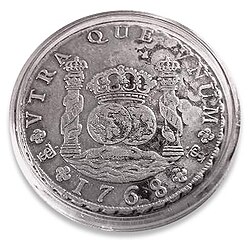
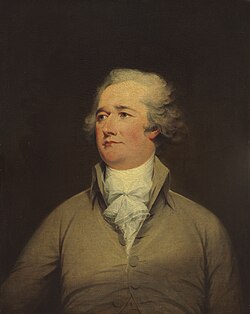
The roots of the American dollar can be traced back to the Spanish dollar, a widely used silver coin in the early Americas. Following the nation's founding, the need for a standardized monetary system led to the Coinage Act of 1792. This landmark legislation, which Alexander Hamilton helped finalize, established the U.S. Mint and designated the dollar as the official unit of currency.
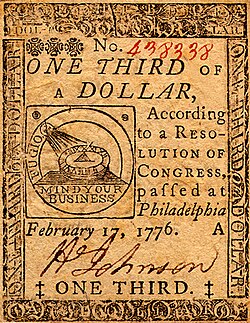
Before the modern era, the United States utilized various forms of money, including the Continental currency and various foreign currencies like British sterling. The 1792 Act set the stage for a structured monetary system that would eventually move through different standards of value.
The Bimetallic Standard
From the implementation of the 1792 Act until the turn of the 20th century, the United States operated on a bimetallic standard. This meant the dollar's value was defined by a specific ratio of both silver and gold. Specifically, the dollar was tied to either 371.25 grains of fine silver or 24.75 grains of fine gold, maintaining a gold-to-silver ratio of 15.
Transition to the Gold Standard
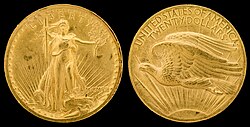
As the economy evolved, the system shifted toward a gold standard, which was fully implemented by 1900. During the 19th and early 20th centuries, gold coins were frequently issued for circulation. One notable denomination was the double eagle, a gold coin valued at $20.
Modern Currency: Banknotes and Coins
Today, the U.S. monetary system is managed through a combination of paper banknotes and metal coins. Banknotes, known as Federal Reserve Notes, are printed by the Bureau of Engraving and Printing, while coins are produced by the United States Mint.
Common Banknotes
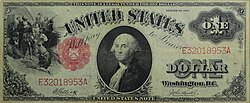
The most frequently used banknotes in circulation include the $1, $5, $10, $20, $50, and $100 denominations. Each features iconic American portraits, such as George Washington on the $1 bill and Benjamin Franklin on the $100 bill.
Common Coins
The circulating coinage system is built on decimal units. While the 1¢ penny remains legal tender, the most common coins used in daily transactions are the 5¢ nickel, 10¢ dime, and 25¢ quarter.
| Denomination | Common Name | Material | Obverse Portrait |
|---|---|---|---|
| 1¢ | Penny | 97.5% Zn, 2.5% Cu | Abraham Lincoln |
| 5¢ | Nickel | 75% Cu, 25% Ni | Thomas Jefferson |
| 10¢ | Dime | 91.67% Cu, 8.33% Ni | Franklin D. Roosevelt |
| 25¢ | Quarter | 91.67% Cu, 8.33% Ni | George Washington |
| $1 | Dollar Coin | Cu, Zn, Mn, Ni | Sacagawea |
The Dollar in the Global Economy
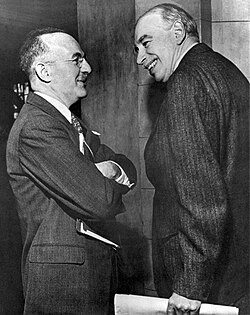
The United States dollar has ascended to become a primary reserve currency—a currency held in significant quantities by central banks and financial institutions worldwide. This status was heavily influenced by post-war financial agreements and the work of figures like John Maynard Keynes and Harry Dexter White.
Monetary Policy and the Federal Reserve
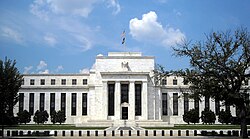
The Federal Reserve, the central bank of the United States, manages the money supply to influence the economy. Through the Federal Open Market Committee (FOMC), the Fed implements monetary policy to manage economic stability. The headquarters of this system is located in Washington, D.C.
International Adoption and Pegged Currencies
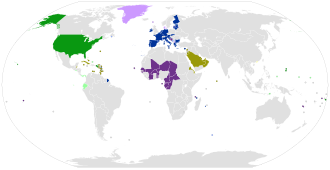
The dollar's influence is visible in how other nations manage their own money. Some countries use the USD as their official currency, while others peg their currency to the dollar, meaning they fix their exchange rate to a specific value relative to the USD. This can include a "narrow band" where the rate fluctuates only slightly.
Understanding Value and Inflation
The purchasing power of the dollar is not static; it changes over time due to inflation—the rate at which the general level of prices for goods and services rises. Economists measure this using indices like the Consumer Price Index (CPI) or the Personal Consumption Expenditures (PCE) price index.
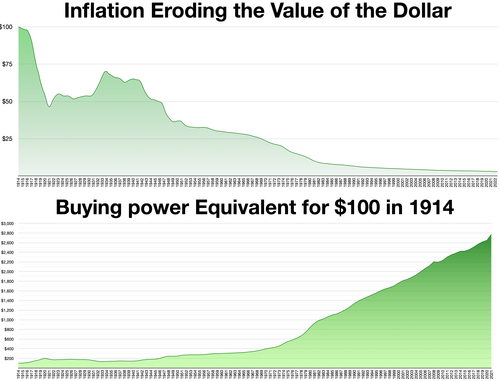
Historically, the buying power of the dollar has fluctuated significantly. For example, the equivalent buying power of a dollar in 1775 has seen dramatic shifts through the centuries, reflecting the changing economic landscape of the nation.
Frequently Asked Questions
What is the official code for the U.S. dollar?
The official ISO 4217 code for the United States dollar is USD, with the numeric code 840.
Who is responsible for printing U.S. banknotes?
Banknotes are printed by the Bureau of Engraving and Printing.
What is the difference between the Mint and the Bureau of Engraving and Printing?
The United States Mint is responsible for producing coins, while the Bureau of Engraving and Printing is responsible for producing paper banknotes.
What does it mean when a currency is "pegged" to the dollar?
A pegged currency is one where a country's government or central bank ties the value of its own currency to the value of the U.S. dollar to maintain exchange rate stability.
What are common nicknames for the dollar?
Common nicknames include bucks, green, dead presidents, bones, and clams.