Umbanda: The Syncretic Spirit Religion of Brazil
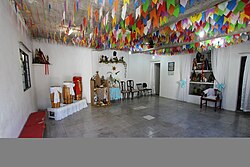
Emerging in Brazil during the 1920s, Umbanda is a unique monotheistic religion that blends diverse spiritual traditions. It draws heavily from Spiritism—a French version of Spiritualism developed by Allan Kardec—while integrating elements of Roman Catholicism and Afro-Brazilian traditions such as Candomblé. Unlike many organized religions, Umbanda has no central governing authority; instead, it operates through autonomous places of worship known as centros or terreiros.
Practitioners, known as Umbandistas, seek spiritual guidance, healing, and moral growth through the channeling of spirits. The religion emphasizes charity, social fraternity, and a complex cosmology centered on reincarnation and the law of karma.
Key Facts
- Origin: Developed in Brazil in the 1920s, notably through the work of Zélio Fernandino de Moraes.
- Core Beliefs: Monotheism with a distant God, assisted by powerful spirits called orixás.
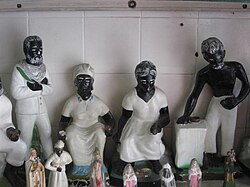
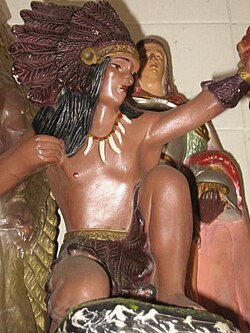
- Primary Entities: Focuses on the pretos velhos (spirits of enslaved Africans) and caboclos (spirits of indigenous Brazilians).
- Practice: Centered on mediumship, ritual dance, singing, and offerings to invoke spirits.
- Structure: Organized into independent local houses of worship (centros).
Theology and Cosmology
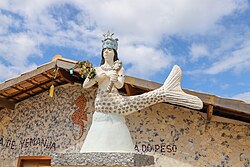
At the peak of the Umbanda hierarchy is a single, distant God. Between this divine entity and humanity are the orixás, powerful non-human spirits. The interpretation of orixás varies depending on the branch of the religion:
- White Umbanda: A Spiritist-oriented wing that views orixás as divine energies or forces of nature.
- Africanized Umbanda: Views orixás as West African deities and may include animal sacrifices in their rituals.
The Emissaries: Pretos Velhos and Caboclos
While orixás are powerful, Umbandistas primarily interact with their emissaries. The pretos velhos ("old blacks") are the spirits of enslaved Africans, revered for their wisdom and patience. The caboclos are the spirits of indigenous Brazilian hunters and warriors, symbolizing strength and connection to the land.
Mediumship and Ritual Practice
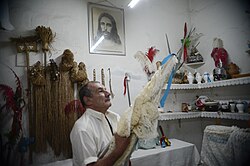
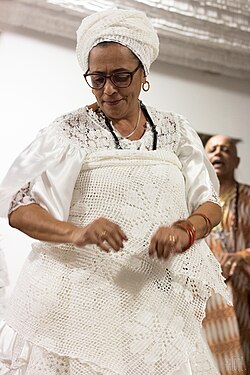
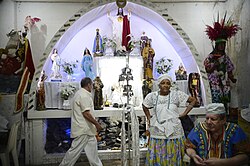
Mediumship, or mediunidade, is the cornerstone of Umbanda. It is believed to be an innate skill allowing certain individuals to experience vidéncia (the ability to see spirits) or sense them through intuition. These mediums, referred to as filhas and filhos de santo (daughters and sons of the saint), act as intermediaries between the physical and spiritual worlds.
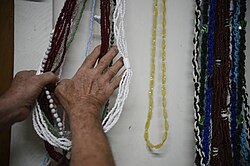
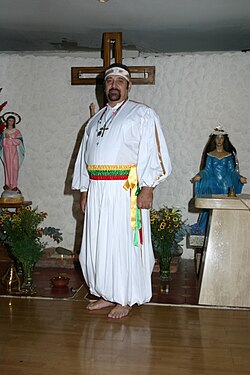
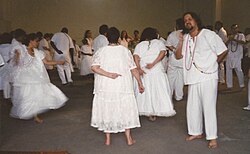
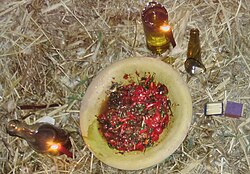
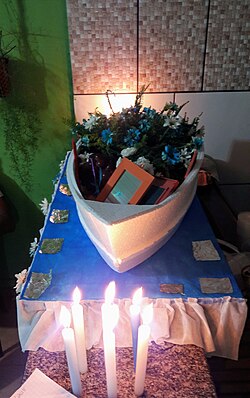
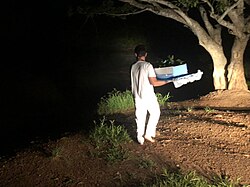
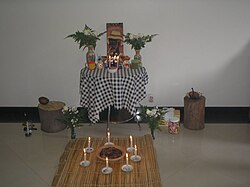
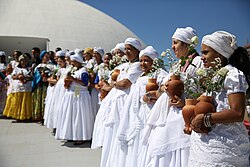
During ceremonies, mediums often wear white clothing and engage in ritual singing and dancing to invite spirit possession. Once a spirit is channeled, the congregation receives direct advice, healing, and spiritual guidance. Offerings of food and other items are frequently made to the spirits and orixás to maintain harmony and show devotion.
History and Social Evolution
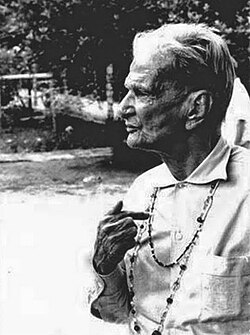
The formalization of Umbanda is closely linked to Zélio Fernandino de Moraes in Niterói, Rio de Janeiro. Moraes, previously involved in Spiritism, sought to create a space that welcomed the pretos velhos and caboclos, who were often viewed negatively by traditional Spiritists. By 1939, he established an Umbandist federation, followed by the first Umbandist congress in 1941.
Throughout the mid-20th century, Umbanda navigated a complex social landscape. It gained respectability during the military dictatorship (1964–1985) despite opposition from Pentecostal groups and the Roman Catholic Church. While some estimates from the 1970s suggested as many as 10 to 20 million practitioners (roughly 10% of Brazil's population), official census data from 2000 showed a lower number of 397,000 people identifying specifically as Umbandistas.
Demographics and Diversity
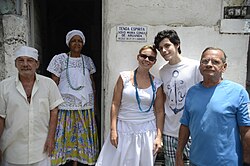
Umbanda attracts followers from all racial and socioeconomic backgrounds. Research indicates a diverse membership, though perspectives on the primary demographic vary. Some studies suggest a significant white presence in certain centros, while others argue that the religion is predominantly practiced by people of color and the working class. Middle-class practitioners, including politicians and military figures, have historically held significant influence within the religion's development.
| Element | Description |
|---|---|
| God | Single, distant monotheistic deity. |
| Orixás | Divine energies or West African deities. |
| Mediums | Filhos de santo who channel spirits for healing and advice. |
| Centros | Autonomous houses of worship. |
| Ethics | Focus on charity, fraternity, and karma. |
Frequently Asked Questions
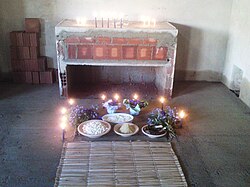
![On the Dia de Iemanjá, offerings to Iemanjá are taken to the water in Rio.[241]](/images/66/4f/664f5f391bd4753e2ef2656f39c66fe3141f9f57038b8319fe75c909367c7e71.jpg)
What is the difference between Umbanda and Candomblé?
While both are Afro-Brazilian, Umbanda is a syncretic religion that incorporates Spiritism and Catholicism, whereas Candomblé is more strictly rooted in West African traditions. Umbanda focuses heavily on the channeling of spirits like pretos velhos and caboclos.
Who are the pretos velhos?
The pretos velhos are the spirits of enslaved Africans. In Umbanda, they are regarded as evolved spirits who provide wisdom, healing, and guidance to the living.
What happens during an Umbanda ritual?
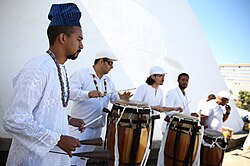
Rituals typically involve singing, drumming, and dancing. Mediums enter a state of possession to allow spirits to communicate with the congregation, offering spiritual consultations and healing.
Is Umbanda practiced outside of Brazil?
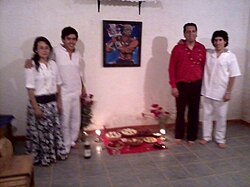
Yes, while it originated in Brazil, the religion has spread to other regions, including Argentina.
What is the role of the orixás?
Orixás are powerful non-human spirits that act as intermediaries between the distant God and humanity. They are seen either as forces of nature or as deities, depending on the specific tradition of Umbanda being practiced.