The Rise and Fall of Ukita Hideie: A Daimyō of the Toyotomi Era
In the turbulent landscape of Sengoku-period Japan, few figures embody the dramatic shifts of power as vividly as Ukita Hideie. A prominent daimyō (a powerful feudal lord) of Bizen and Mimasaka Provinces, Hideie rose from the son of a regional leader to become one of the most influential figures in the Toyotomi administration. His life, marked by military glory, internal clan strife, and ultimate exile, serves as a window into the high-stakes politics of the era.
Early Life and Rise to Power
Born in 1572 in Bizen Province, Hideie was the son of Ukita Naoie. His path to leadership was shaped by early tragedy; following his father's death in 1582, Hideie became the head of the Ukita clan at just ten years old. Because of his youth, his uncle, Ukita Tadaie, acted as the clan's military leader, commanding the Ukita forces in various battles under the banner of Toyotomi Hideyoshi.
Hideie's political standing was significantly bolstered by his marriage to Gōhime, the daughter of the famous Maeda Toshiie and the adopted daughter of the unifier Toyotomi Hideyoshi. This connection placed him at the very heart of the Toyotomi power structure.
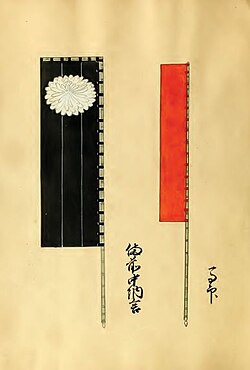
Military Service and the Council of Five Elders
Hideie proved himself a capable commander through several major military campaigns. His service included:
- The Invasion of Shikoku (1585): Leading 23,000 men in support of Toyotomi forces.
- The Kyushu Campaign (1587): Participating in the conquest of the Kyushu region.
- The Siege of Odawara (1590): Joining the campaign against Hōjō Ujimasa.
- The Korean Campaigns (1592–1598): Serving as a field marshal and later as the "Chief Commander Army of the Left."
By 1598, following the death of Hideyoshi, Hideie reached the pinnacle of political influence when he was appointed to the Council of Five Elders. This group of five counselors was tasked with overseeing the stability of Japan during the transition of power.
The Ukita Clan Riot
The stability of Hideie's rule was shattered in 1599 by an internal rebellion known as the Ukita clan riot. The conflict arose from deep-seated dissatisfaction among his vassals, specifically regarding perceived favoritism toward an official named Nakamura Jirobe. Historical accounts suggest the unrest was fueled by disputes over land surveys and the redistribution of fiefs (territories granted to vassals).
The rebellion escalated into an armed standoff involving prominent vassals such as Togawa Tatsuyasu and Sakazaki Naomori. While mediators eventually resolved the immediate violence without bloodshed, the political damage was irreversible. Approximately 70 samurai lords defected from the Ukita clan, many of whom shifted their allegiance to the rising Tokugawa clan, severely weakening Hideie's military and political foundation.
The Battle of Sekigahara and Defeat
The internal fractures within the Ukita clan directly impacted Hideie's performance at the Battle of Sekigahara in 1600. Fighting for the Western Army against Tokugawa Ieyasu, Hideie's forces were forced to rely on rōnin (masterless samurai) mercenaries to replace the senior vassals who had defected.
Despite outnumbering his opponent, Fukushima Masanori, Hideie's undisciplined troops could not withstand the superior quality and training of the Fukushima forces. The Ukita lines eventually collapsed, marking a decisive turning point in Japanese history.
Exile and Final Years
Following his defeat, Hideie escaped capture and went into hiding, eventually seeking refuge in Satsuma Province under the protection of the Shimazu clan. However, a peace agreement between the Tokugawa and Shimazu clans in 1602 led to his betrayal and extradition.
Hideie was sentenced to exile on the remote island of Hachijō-jima. He spent his final years there, accompanied by his two sons. His wife, Gōhime, remained a steadfast supporter, sending him essential supplies like rice and clothing from the Maeda clan lands. Hideie passed away on December 17, 1655, at the age of 82 or 83.
Key Facts
- Title: Daimyō of Bizen and Mimasaka Provinces.
- Political Rank: Member of the Council of Five Elders.
- Allegiance: Toyotomi clan (Western Army at Sekigahara).
- Major Battles: Shikoku Campaign, Kyushu Campaign, Korean Campaigns, and Battle of Sekigahara.
- Fate: Exiled to Hachijō-jima following the Battle of Sekigahara.
Summary of Ukita Hideie's Life
| Category | Details |
|---|---|
| Born | 1572, Bizen Province, Japan |
| Died | December 17, 1655 (aged 82–83), Hachijō-jima |
| Spouse | Gōhime |
| Key Allies | Toyotomi Hideyoshi, Shimazu Yoshihiro |
| Primary Adversary | Tokugawa Ieyasu |
Frequently Asked Questions
Who were the members of the Council of Five Elders?
The council consisted of five powerful leaders appointed by Toyotomi Hideyoshi: Ukita Hideie, Maeda Toshiie, Uesugi Kagekatsu, Mōri Terumoto, and Tokugawa Ieyasu.
Why did the Ukita clan experience a riot in 1599?
The riot was caused by dissatisfaction among vassals regarding land redistribution and perceived favoritism toward certain officials, which eventually escalated into an armed rebellion.
How did the Battle of Sekigahara affect Hideie's army?
Because many of his senior vassals had defected to the Tokugawa side during the internal clan riots, Hideie had to fill his ranks with rōnin mercenaries, who lacked the discipline of the regular troops he faced.
Where did Ukita Hideie spend his final years?
After being extradited from Satsuma, Hideie was exiled to the island of Hachijō-jima, where he lived until his death in 1655.
What was the significance of Gōhime in Hideie's life?
Gōhime was the daughter of Maeda Toshiie and the adopted daughter of Toyotomi Hideyoshi, providing Hideie with vital political connections. During his exile, she continued to support him by sending food and clothing.