UK Law Enforcement Agencies: Structure and Jurisdiction
Law enforcement in the United Kingdom is a complex network of agencies designed to maintain public order, investigate crime, and secure borders. Rather than a single monolithic entity, the system is divided into three primary categories: territorial police forces, national law enforcement bodies, and various specialized or miscellaneous forces.
The framework for these agencies is established by specific legislation, such as the Police Act 1996 for England and Wales, and the Police (Northern Ireland) Act 2000, which define the appointment of chief constables and the scope of their jurisdiction.
Key Facts
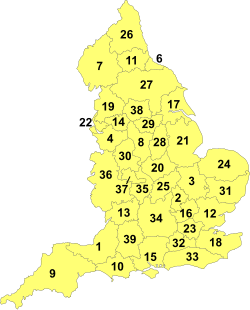
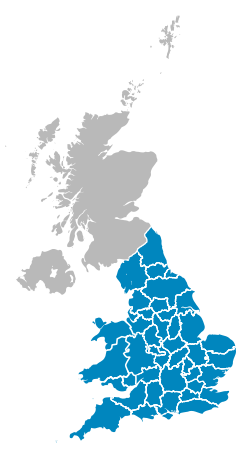
- There are 43 territorial police forces in England and Wales, one in Scotland, and one in Northern Ireland.
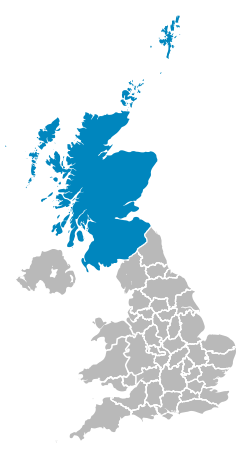
- Police Scotland was formed in 2013 through the amalgamation of eight territorial forces and the Scottish Crime and Drug Enforcement Agency.
- The National Crime Agency (NCA) is a national law enforcement body but is not classified as a police force.
- Border Force officers are dual-warranted as both immigration and customs officers.
- Crown Dependencies (Isle of Man, Jersey, and Guernsey) maintain their own independent police services.
Territorial Police Forces
Territorial forces are the primary providers of policing, each covering a specific geographic region and governed by an independent police authority.
England and Wales
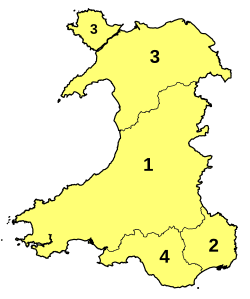
England is served by a wide array of forces, including the Metropolitan Police Service and the City of London Police. In Wales, policing is handled by four main forces: Dyfed-Powys, Gwent, North Wales, and South Wales Police.
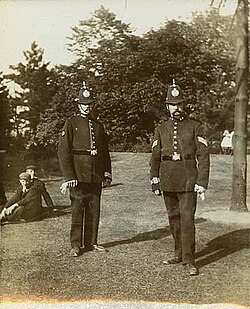
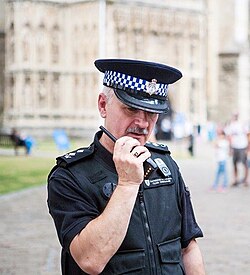
As of September 2020, the workforce in England consisted of 124,492 police officers, supported by 8,634 special constables and 8,659 Police Community Support Officers (PCSOs)—civilian staff who support police officers in community engagement.
Scotland and Northern Ireland
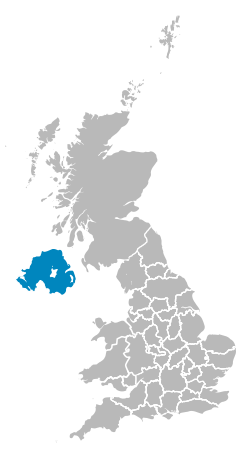
Scotland operates under a single national agency, Police Scotland, established on April 1, 2013. As of December 2019, it employed 17,259 police officers. Northern Ireland is served by a single territorial force; notably, unlike England and Wales, Northern Ireland does not employ PCSOs.
Collaborative Units
To tackle cross-border crime and terrorism, various forces form collaborative units. Examples include the South East and North West Counter Terrorism Units, as well as joint roads policing units between neighboring constabularies.
National and Specialized Law Enforcement
Beyond regional policing, the UK employs national bodies with non-regional jurisdictions. These are often referred to as special police forces under the Serious Organised Crime and Police Act 2005, such as the British Transport Police.
Non-Police Law Enforcement
Certain agencies enforce laws without being "police forces." The Border Force, a command within the Home Office, manages frontline border control. Their officers possess powers of arrest and detention under the Immigration Act 1971 and the Borders, Citizenship and Immigration Act 2009.

Investigatory and Limited Power Bodies
Some agencies have restricted roles. The Serious Fraud Office and the Security Service possess solely investigatory powers, while the Driver and Vehicle Standards Agency (DVSA) operates with limited executive powers.
Miscellaneous and Service Police

The UK also maintains highly specialized police forces for specific environments:
- Ports Police: Operating under the Harbours, Docks, and Piers Clauses Act 1847, these officers have constable powers on port land and within one mile of it.
- Parks and Cathedral Police: Specialized constabularies protect areas like Epping Forest or Canterbury Cathedral.
- Military Police: The Royal Navy, Royal Marines, Royal Military, and Royal Air Force each maintain their own police services.
Crown Dependencies and Overseas Territories

The UK's influence extends to Crown Dependencies and Overseas Territories, which manage their own law enforcement tailored to their needs.
| Region | Primary Police Force | Specialized Services |
|---|---|---|
| Isle of Man | Isle of Man Constabulary | Customs and Excise Division |
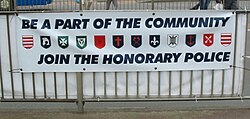
| Jersey | States of Jersey Police | Honorary Police (Parish level) |
| Guernsey | States of Guernsey Police Service | Guernsey Border Agency |
| Bermuda | Bermuda Police Service | Airport Security Police |
| Gibraltar | Royal Gibraltar Police | Gibraltar Defence Police |
Frequently Asked Questions





























What is the difference between a police officer and a PCSO?
Police officers have full constabulary powers of arrest and investigation. Police Community Support Officers (PCSOs) are civilian staff who provide a visible presence in the community and have limited powers compared to sworn officers.
Is the National Crime Agency (NCA) a police force?
No, the NCA is a national law enforcement body, but it is not classified as a police force under the Serious Organised Crime and Police Act 2005.
How is policing structured in Scotland?
Since April 1, 2013, Scotland has operated under a single national agency called Police Scotland, which amalgamated eight previous territorial forces and the Scottish Crime and Drug Enforcement Agency.
What powers do Port Police have?
Port police officers are sworn in as special constables. They have full constable powers on land owned by the harbour, dock, or port, as well as any location within one mile of that land.
Do Overseas Territories use British police?
Most Overseas Territories have their own local forces, such as the Royal Cayman Islands Police Service or the Royal Gibraltar Police, though some may use seconded officers or military police for specific functions.