Turkish War of Independence: The Birth of a Republic
The Turkish War of Independence (15 May 1919 – 24 July 1923) was a transformative series of military campaigns and a political revolution that emerged from the ruins of World War I. Following the defeat of the Ottoman Empire, Allied powers sought to partition its territories, sparking a nationalist movement that would eventually dismantle a 600-year-old monarchy and establish the modern Republic of Turkey.
Driven by the principles of self-determination, the conflict pitted the Turkish National Movement against Allied forces and various separatist groups. This struggle was not merely a military battle for territory but a fundamental shift in sovereignty, transferring power from the sultan-caliph to the nation.
Key Facts
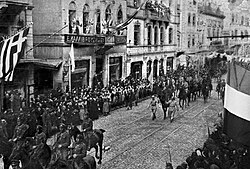
- Duration: 15 May 1919 to 11 October 1922 (military phase); formally concluded 24 July 1923.
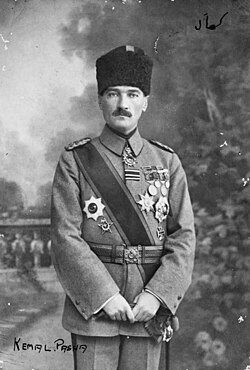
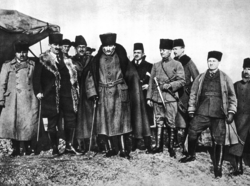
- Primary Leader: Mustafa Kemal Pasha (later known as Atatürk).
- Core Outcome: Establishment of the Republic of Turkey and the abolition of the Ottoman Sultanate and Caliphate.
- Key Treaties: The Treaty of Sèvres (unratified/annulled) and the Treaty of Lausanne (final settlement).
- Major Belligerents: Turkish National Movement vs. Greece, the British Empire, France, and various separatist rebels.
The Path to Resistance: 1918–1919
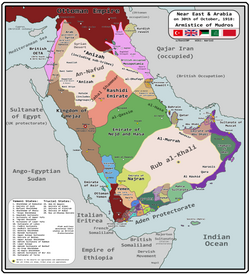
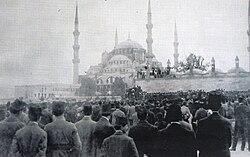
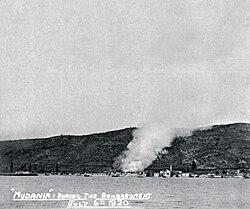
The prelude to the war began with the Armistice of Mudros in October 1918, which ended hostilities between the Ottoman Empire and the Allies. However, the peace was short-lived as Allied troops began occupying strategic points, including Istanbul.
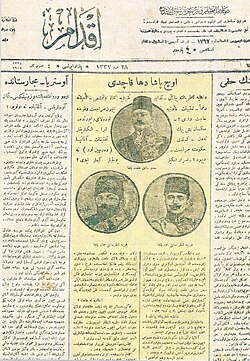
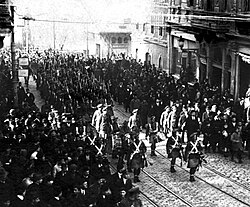
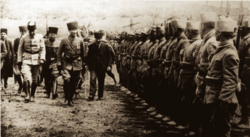
The occupation of Istanbul and the subsequent political instability created a vacuum of power. While the Istanbul government remained under Allied influence, Mustafa Kemal Pasha was dispatched on a mission to Anatolia, where he began organizing local resistance against the partition of the homeland.
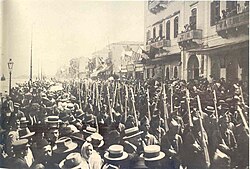
The Greek Landing at Smyrna
The catalyst for full-scale war occurred on 15 May 1919, when Greek troops landed at Smyrna (İzmir). This event galvanized Turkish nationalists and accelerated the organization of a structured resistance movement.
The Rise of the Ankara Government
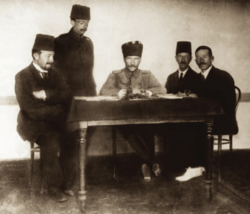
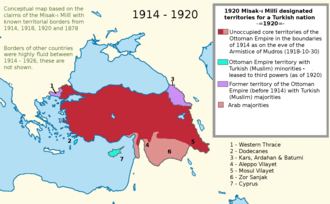
Mustafa Kemal and his colleagues consolidated power through a series of congresses, most notably in Erzurum, where they outlined the National Pact—a set of goals to secure Turkish borders and independence.
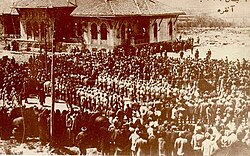
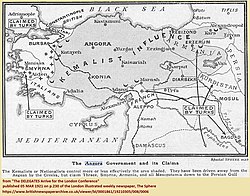
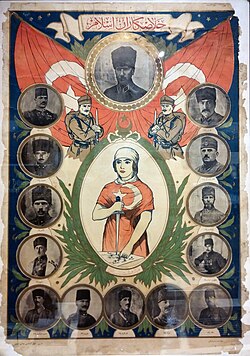
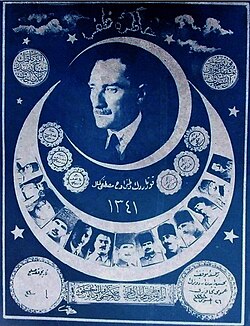
By 1920, the movement established the Grand National Assembly in Ankara, creating a rival government to the one in Istanbul. This new administration was recognized as the legitimate voice of the Turkish people, while the Istanbul government was increasingly viewed as a puppet of the Allies.
The Treaty of Sèvres vs. The Treaty of Lausanne
In 1920, the Allies presented the Treaty of Sèvres, which proposed a severe partitioning of Anatolia. The Ankara government rejected this treaty entirely, viewing it as an infringement on Turkish sovereignty.
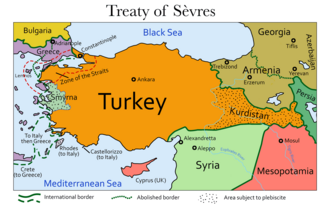
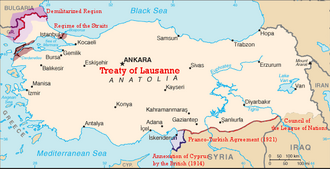
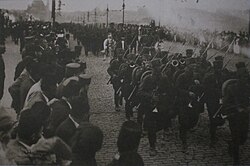
Following military victories on multiple fronts, the Turkish Nationalists forced the Allies back to the negotiating table. This resulted in the Treaty of Lausanne (1923), which recognized Turkey as a sovereign, independent state and replaced the annulled Treaty of Sèvres.
Military Campaigns and Fronts
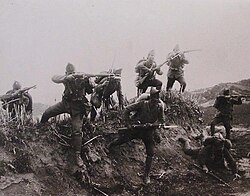
The war was fought across several theaters, requiring the transition from irregular militias to a professional regular army.
- Western Front: The primary conflict against Greek forces, culminating in the Great Offensive and the liberation of Anatolia.
- Eastern Front: Engagements leading to the Treaty of Alexandropol and later the Treaty of Kars with Soviet republics.
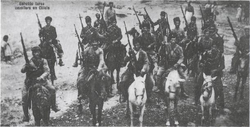
- Southern Front: Resistance against French forces and Armenian contingents in regions like Cilicia.
The End of the Ottoman Era
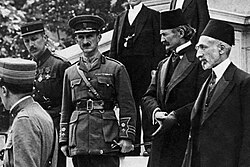
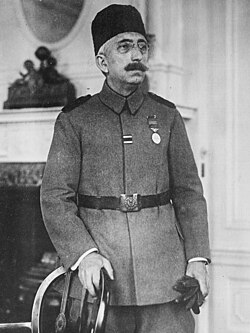
With military victory secured, Mustafa Kemal moved to finalize the political revolution. On 1 November 1922, the Grand National Assembly voted to abolish the sultanate. Sultan Mehmed VI fled the country shortly thereafter, ending the monarchy.
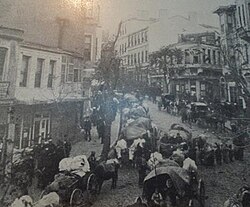
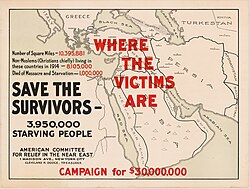
On 29 October 1923, the Republic of Turkey was officially declared, marking the transition to a secular nation-state. This era also saw significant demographic shifts; the population exchange between Greece and Turkey, along with the continuation of ethnic cleansing and massacres of Armenian and Greek populations, fundamentally altered the region's demographics, increasing the Muslim population from 80% to 98%.
| Category | Details |
|---|---|
| Timeline | 1919 – 1923 |
| Key Figures | Mustafa Kemal Atatürk, İsmet Pasha |
| Opponents | Greece, UK, France, Separatist groups |
| Political Shift | Monarchy $\rightarrow$ Republic |
| Final Settlement | Treaty of Lausanne (1923) |
Frequently Asked Questions
What was the primary cause of the Turkish War of Independence?
The war was caused by the Allied occupation and planned partition of the Ottoman Empire following World War I, specifically the landing of Greek troops in Smyrna and the restrictive terms of the Treaty of Sèvres.
Who was the leader of the Turkish National Movement?
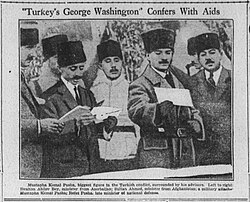
Mustafa Kemal Pasha, later known as Atatürk, was the central military and political leader who organized the resistance and founded the Republic of Turkey.
What is the difference between the Treaty of Sèvres and the Treaty of Lausanne?
The Treaty of Sèvres (1920) sought to partition Anatolia and severely limit Turkish sovereignty; it was rejected by the nationalists. The Treaty of Lausanne (1923) recognized Turkey as a sovereign, independent state with defined borders.
How did the war end the Ottoman Empire?
The victory of the nationalist movement led to the abolition of the sultanate in 1922 and the caliphate shortly after, culminating in the declaration of the Republic of Turkey on October 29, 1923.
What were the demographic consequences of the conflict?
The conflict resulted in a massive population exchange between Greece and Turkey and the systematic removal of native Christian populations (Armenians and Greeks) through massacres and deportations, significantly increasing the percentage of Muslims in Anatolia.