Turkish Football Betting Scandal: A Timeline of Corruption and Consequences
The integrity of Turkish football faced a systemic crisis between 2024 and 2026 as a massive betting scandal unfolded. What began as a suspicious match in the lower leagues spiraled into a nationwide investigation involving hundreds of referees, players, coaches, and high-ranking club executives. The scale of the corruption revealed a deep-seated issue with gambling within the sport, leading to unprecedented bans and criminal prosecutions.
Key Facts
- Widespread Referee Involvement: 65% of Turkey's 571 professional referees held registered betting accounts.
- Massive Player Sanctions: Over 1,200 footballers were referred to the Professional Football Discipline Board (PFDK) for betting violations.
- High-Profile Arrests: Key figures including Fenerbahçe captain Mert Hakan Yandaş and Galatasaray's Metehan Baltacı faced arrest and trial.
- Systemic Corruption: Investigations revealed illegal betting sites owned by club presidents and the laundering of criminal proceeds through sports clubs.
- Severe Penalties: Bans for participants ranged from 45 days to 12 months, with several individuals facing prison sentences of 4 to 13 years.
The Catalyst: Suspicious Activity in the Second League
The investigation was triggered by reports from journalist Tahir Kum regarding a 2024–25 Second League match between Ankaraspor and Nazillispor. The match drew attention due to an unusually high volume of bets despite the fact that no shots were taken during the game. By September 11, 2025, the Turkish Football Federation (TFF) imposed bans on 18 footballers and two club presidents.
The Referee Audit and Systemic Failure
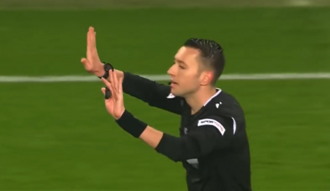
On October 27, 2025, a TFF audit of all 571 professional referees revealed a shocking breach of FIFA and UEFA regulations, which prohibit referees from any form of gambling. The audit found that 371 referees (65%) held betting accounts, and 152 had actively placed bets on football matches, including the Süper Lig and international fixtures.
The scale of activity was extreme: ten referees placed over 10,000 bets each, with one individual reaching 18,227 wagers. In response, the TFF referred 152 referees to the PFDK. This included seven elite Süper Lig referees, such as Yunus Dursun and Egemen Artun, who received 10-month bans.
Disciplinary Actions and Legal Escalation
The scandal expanded when allegations surfaced that MHK President Ferhat Gündoğdu also held a betting account. Further claims emerged regarding a red card in a Süper Lig match involving Göztepe, where 5.5 million Turkish Lira was allegedly wagered on the card's issuance from Northern Cyprus. This prompted an ex officio investigation by the Istanbul Chief Public Prosecutor's Office on October 31, 2025.
Player and Staff Involvement
By November 2025, the TFF referred 1,024 footballers to the PFDK. This group included 27 Süper Lig players from major clubs like Beşiktaş, Galatasaray, and Trabzonspor. While some players, such as Beşiktaş's Necip Uysal and Ersin Destanoğlu, successfully contested the charges by claiming identity theft, others admitted to betting.
Metehan Baltacı of Galatasaray admitted to placing 1,600 bets during a loan spell at Eyüpspor. The PFDK subsequently issued bans ranging from 45 days to 12 months for 102 top-flight and first-league players, with Alassane Ndao and Abdulsamet Burak receiving the maximum 12-month penalty.
Criminal Investigations and Money Laundering
In December 2025, the investigation shifted toward criminal activity. Arrest warrants were issued for 46 suspects, including Fenerbahçe captain Mert Hakan Yandaş and former Galatasaray director Erden Timur. Prosecutors alleged that some individuals had agreed to influence match results, specifically citing the Ümraniyespor vs. Giresunspor match from December 2023.
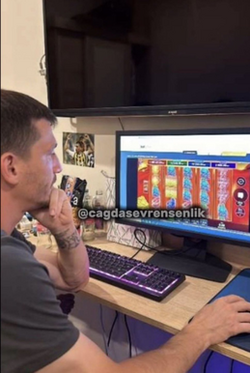
The Financial Crimes Investigation Board (MASAK) discovered that Mert Hakan Yandaş had placed specific bets on player actions, such as fouls and cards for teammate İsmail Yüksek. Additionally, investigations into Tuzlaspor and Diyarbekirspor revealed that former president Fevzi İlhanlı and other executives operated an illegal betting website and used sports clubs to launder the proceeds.
Summary of Sanctions and Legal Status
| Group | Number Referred/Affected | Typical Penalties | Key Legal Outcomes |
|---|---|---|---|
| Professional Referees | 371 (Accounts) / 152 (Active) | 8 to 12 month bans | Termination of refereeing rights for many |
| Footballers | 1,200+ | 45 days to 12 months | Prison requests (4-13 years) for some |
| Coaches | 155+ | PFDK Referral | Pending disciplinary action |
| Executives/Owners | Multiple (e.g., Özkaya, Sancak) | Arrest / House Arrest | TMSF trusteeship of clubs |
The Aftermath and Institutional Impact
The scandal led to significant institutional upheaval. The Savings Deposit Insurance Fund (TMSF) was appointed as trustees for several companies and clubs, including Eyüpspor. By February 2026, Kasımpaşa transitioned back to private ownership under Kazancı Holding after a period of TMSF seizure.
The legal proceedings continued into mid-2026, with high-profile figures like Erden Timur and Mert Hakan Yandaş being released under judicial supervision or bail. In July 2026, a final wave of accusations hit 19 more individuals, including executives from Beşiktaş and Galatasaray, after MASAK data revealed bets placed on outcomes that favored opposing teams.
Frequently Asked Questions
Why were so many referees banned?
Under FIFA and UEFA regulations, referees are strictly prohibited from any gambling. The TFF audit found that 65% of professional referees held betting accounts, which is a violation regardless of whether they bet on matches they officiated.
Which high-profile players were involved?
Notable players included Fenerbahçe's Mert Hakan Yandaş and Galatasaray's Metehan Baltacı, both of whom faced arrest and criminal charges. Other players from Beşiktaş, Trabzonspor, and various Süper Lig clubs were also referred to the PFDK.
What was the role of MASAK in the investigation?
The Financial Crimes Investigation Board (MASAK) performed financial analyses and examined betting platform data from 2020 to 2026 to identify suspicious patterns, money laundering, and bets placed on specific player outcomes.
How did the scandal affect the clubs' ownership?
Several clubs and associated companies were seized by the TMSF and placed under trusteeship due to the involvement of their owners in illegal betting and money laundering, most notably in the cases of Eyüpspor and Kasımpaşa.
What were the most severe criminal charges?
An indictment filed in February 2026 sought prison sentences ranging from 4 to 13 years for 34 suspects on charges including influencing match results and money laundering.