Top Hat History: From Dandyism to Global Symbol of Status
The top hat is perhaps the most iconic symbol of formality, authority, and social class in Western history. From the cobblestone streets of 18th-century London to the presidential inaugurations of the United States, this towering piece of headgear has evolved from a daring fashion statement into a rigid marker of urban respectability.
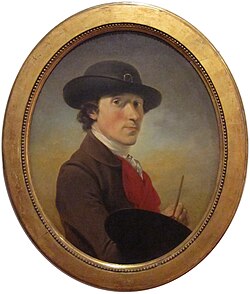
While its exact origins are difficult to trace, fashion historians suggest the top hat likely descended from the sugarloaf hat. By the late 18th century, gentlemen began abandoning the traditional tricorne—a three-cornered hat—in favor of this new, vertical silhouette.
The Rise of the Silk Topper
The transition to the top hat was marked by a shift in materials and social adoption. In 1793, George Dunnage, a hatter from Middlesex, is credited with creating the first silk top hat in England. Although often erroneously attributed to a haberdasher named John Hetherington, the style quickly gained traction across all social strata.
Initially, the upper classes favored hats made from felted beaver fur. In contrast, those made from non-fur felts were known as "stuff hats." The versatility of the design allowed it to be integrated into official uniforms; policemen and postmen wore them to project authority, often adding a black oilcloth top to protect the hat from the elements during outdoor duty.
The Evolution of Materials
Between the late 18th and early 19th centuries, beaver fur was gradually replaced by hatter's plush (a type of silk). This shift had significant ecological implications; the rising popularity of silk plush contributed to a decline in the North American beaver trapping industry, though some historians argue that dwindling beaver populations were already occurring independently.
The Golden Age of the 19th Century
By the mid-1800s, the top hat reached its most extreme proportions. The 1840s and 1850s were characterized by narrow brims and towering crowns. Two primary styles emerged: the stovepipe, featuring straight sides, and the chimney pot, which had slightly convex sides.
The stovepipe variety became inextricably linked with Abraham Lincoln. While Lincoln likely referred to his headgear simply as a "silk hat" or "plug hat," he famously used the crown of his hat to store letters and documents. One of his original hats is currently preserved at the National Museum of American History in Washington, DC.
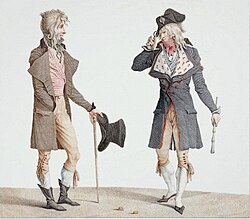
The hat's status was further cemented in 1850 when Prince Albert began wearing them, transforming the accessory into a symbol of urban respectability. In France, the "Incroyables" (dandies) wore hats of such outlandish size that they necessitated the invention of the collapsible top hat to fit into crowded cloakrooms.
The 20th Century: Decline and Specialization
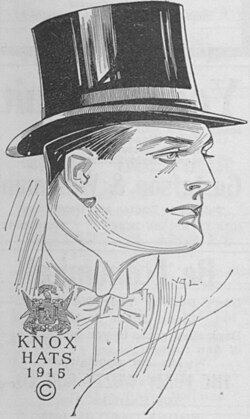
Until World War I, the top hat remained the standard for formal outdoor wear among upper-class men. However, the convenience and lower cost of soft hats began to erode its dominance. By the end of World War II, the top hat had become a rarity in daily life, persisting primarily in specific professional or diplomatic roles.
Diplomacy and Politics
The top hat remained a staple of international diplomacy for decades. Notably, the civilian members of the Japanese delegation who signed the Instrument of Surrender on September 2, 1945, wore them. In the United States, the hat was a fixture of presidential inaugurations from Franklin Pierce (1853) through John F. Kennedy (1961). Kennedy, however, delivered his inaugural address hatless to project an image of vigor, and his successor, Lyndon B. Johnson, abandoned the tradition entirely in 1965.
Institutional Traditions
In the United Kingdom, the top hat lingered in the City of London's financial district until the "Big Bang" reforms of 1986 abolished the requirement for Government Brokers to wear them. Similarly, a House of Commons rule requiring Members of Parliament to wear a top hat while raising a point of order during a division was abolished in 1998.
Modern Usage and Cultural Symbolism
In the 21st century, the top hat has transitioned from a daily garment to a ceremonial and cultural icon. It remains a requirement for "Monitors" at Harrow School and is worn by male members of the British royal family during State occasions, such as the 2012 Diamond Jubilee Carriage Procession.

Contemporary Contexts
- Sports and Leisure: Worn at prestigious horse racing events like Royal Ascot and The Derby.
- Pop Culture: Adopted by musicians such as Slash, Tom Petty, and Brendon Urie as a signature style.
- Subcultures: Integrated into Steampunk fashion, often modified with leather or gears.
- Symbolism: Used by political cartoonists and in games like Monopoly (via Rich Uncle Pennybags) to represent capitalism and the oligarchy.
![Masonic Worshipful Master Bill Edgerton wearing his traditional top hat[when?]](/images/f5/a2/f5a2dd1968ad68ea95d48d6bd1b0dbeabff9d710bfac814240fe0a6ed9a109d8.jpg)
Religious and Fraternal Traditions
In North American Freemasonry, the top hat is often associated with the Worshipful Master to signify leadership. In Judaism, some synagogue presidents and honorary officers wear a top hat (known as a tzylinder in Yiddish) on Shabbat or festivals, a custom that originated in 19th-century England as a replacement for the wig and tricorne.
| Style/Type | Key Characteristic | Primary Association |
|---|---|---|
| Stovepipe | Straight sides, tall crown | Abraham Lincoln / 19th Century US |
| Chimney Pot | Slightly convex sides | Mid-19th Century Fashion |
| Opera Hat | Collapsible silk | Evening wear / White tie |
| Grey Top Hat | Light grey color | Daytime racing / Morning suits |
| Tzylinder | Traditional top hat | Jewish honorary officers |
Key Facts
- Origin: Likely descended from the sugarloaf hat; replaced the tricorne in the late 18th century.
- First Silk Hat: Credited to George Dunnage of Middlesex in 1793.
- Materials: Transitioned from felted beaver fur to silk "hatter's plush."
- Political Icon: Associated with Abraham Lincoln and US presidential inaugurations until 1965.
- Symbolism: Represents urban respectability, capitalism, and high social status.
Frequently Asked Questions
Who invented the top hat?
While often erroneously credited to John Hetherington, the first silk top hat in England is credited to George Dunnage, a hatter from Middlesex, in 1793.
What is the difference between a stovepipe and a chimney pot hat?
A stovepipe hat features mostly straight sides, whereas a chimney pot hat has slightly convex (curved) sides.
Why did the beaver trapping industry decline?
The decline was partly due to the shift in fashion from felted beaver fur to silk plush top hats, though it is also postulated that beaver populations were naturally decreasing at the same time.
Is the top hat still worn today?
Yes, but primarily for ceremonial, traditional, or stylistic purposes. This includes the British royal family on State occasions, certain academic dress in Finland and Sweden, and specific traditions in Freemasonry and Judaism.
What is a "crush hat"?
A crush hat is a collapsible silk opera hat designed for convenience, typically worn in black with evening wear as part of a white tie ensemble.