Tinamous: The Unique Ground Birds of the Americas
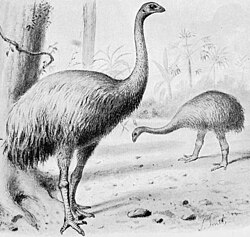
Tinamous are a fascinating group of plump, ground-dwelling birds found throughout the Americas. While they may superficially resemble partridges or megapodes, this similarity is a result of convergence—where unrelated species evolve similar traits due to similar environments—rather than a close ancestral link. Belonging to the infraclass Palaeognathae, they are the closest living relatives to the extinct moas of New Zealand.
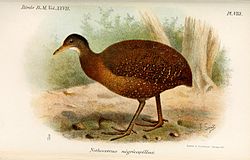
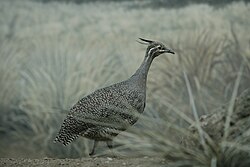
These birds are characterized by their compact bodies, small heads, and typically short, decurved bills. Their diversity is vast, spanning 47 species across nine genera, divided into two primary subfamilies: the forest-dwelling Tinaminae and the steppe-dwelling Nothurinae.
Key Facts
- Classification: Part of the order Tinamiformes, family Tinamidae.
- Diversity: 47 extant species divided into forest (Tinaminae) and steppe (Nothurinae) groups.
- Physiology: Possess the smallest hearts and lungs relative to body size of any bird (1.6–3.1% of body weight).
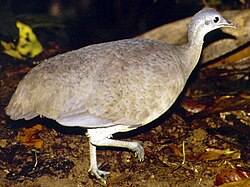
- Size Range: From the dwarf tinamou (43g) to the grey tinamou (up to 2kg).
- Distribution: Native to the Americas, with some species introduced to Easter Island.
- Conservation: Several species, such as the dwarf tinamou, are endangered due to habitat loss and hunting.
Taxonomy and Evolutionary History
The family Tinamidae is defined as the crown clade stemming from the most recent common ancestor of Tinamus major and all extant birds more closely related to it than to the ostrich (Struthio camelus) or the Andean condor (Vultur gryphus).
Fossil Record
The evolutionary history of tinamous extends back to the Early Miocene. Significant fossils of the Nothurine subfamily, specifically those related to Eudromia and Nothura, have been discovered in the Late Miocene Cerro Azul Formation in Argentina. Pliocene and Pleistocene deposits have further provided evidence of ancestral genera, some of which have since been synonymized with modern genera.
Physical Characteristics and Anatomy
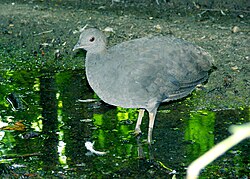
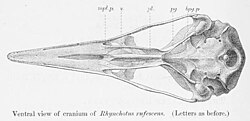
Tinamous are built for a terrestrial lifestyle. They possess a pneumaticized skeleton with a sternal keel and fused thoracic vertebrae. Interestingly, they exhibit poor circulation, which often gives their skin a distinct greenish tint.
Despite being poor flyers, their muscle mass is surprisingly high, ranging from 28.6% to 40% of their body mass—a proportion similar to that of hummingbirds. Their feet feature three forward-facing toes, with the hind toe either absent or retrogressed.
Sexual Dimorphism and Reproduction
In most species, females are larger than males. A unique anatomical feature of the male is a corkscrew-shaped penis, a trait shared with other ratites and some reptiles. Females possess a small phallic organ in the cloaca that enlarges during the breeding season.
Distribution and Habitat
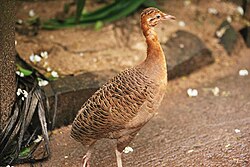
Tinamous occupy a wide array of environments, from tropical lowland forests to high-altitude grasslands.
Forest and Lowland Species
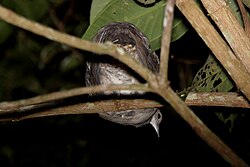
The Tinaminae subfamily typically inhabits forested regions. For example, the slaty-breasted tinamou is found in tropical lowland forests, while larger species like the great tinamou often roost in trees at night.
High-Altitude and Steppe Species
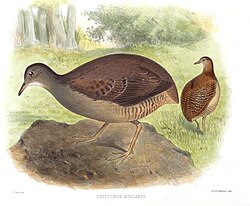
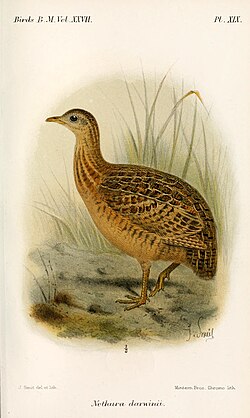
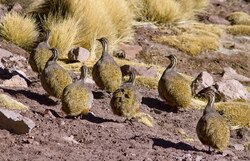
The Nothurinae subfamily is adapted to open landscapes. In the Andes, Darwin's nothura occupies grasslands at 2,000 meters, while the puna tinamou lives just below the snowline at altitudes as high as 5,300 meters.
Life Cycle and Behavior
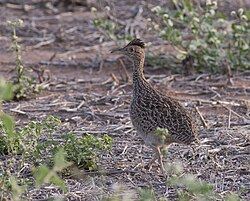
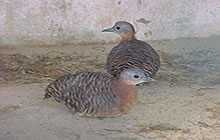
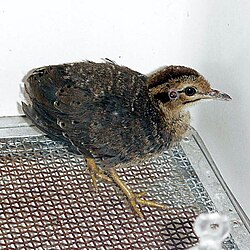
The growth rate of young tinamous varies by species. The slaty-breasted tinamou reaches adult size within 20 days, though it takes longer to reach adult weight. In contrast, the spotted nothura reaches 90% of its adult weight in 85 days, and the red-winged tinamou takes 108 days.
While physiological maturity can occur as early as 57 days, most species reach sexual maturity at one year of age. Some breeding behaviors must be learned through experience before a bird can successfully reproduce.
Conservation and Human Interaction
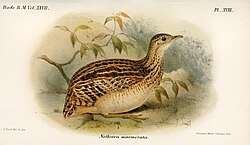
Tinamous have a complex relationship with humans, ranging from subsistence hunting to failed attempts at domestication.
Threats to Survival
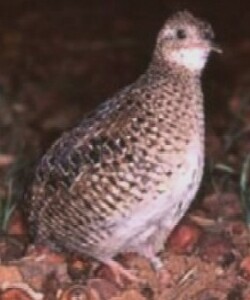
Habitat destruction is a primary threat. In Brazil, the dwarf tinamou and lesser nothura populations have plummeted to fewer than 10,000 individuals each due to agricultural development. The practice of burning fields is particularly lethal; smoke can intoxicate the birds, and fires often destroy nests and chicks.
Hunting and Trade
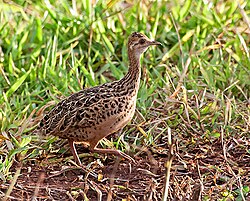
Historically, tinamous were hunted on a massive scale. In the late 19th century, millions were sold in Buenos Aires markets and exported to North America as "South American partridges." While the USA eventually banned these imports, legal and illegal hunting continues today, particularly for the spotted nothura.
Introductions and Domestication
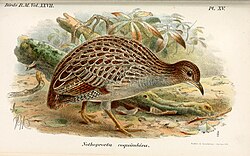
Between 1966 and 1977, numerous attempts were made to introduce various tinamou species to US states including Oregon, Florida, Alabama, Texas, Colorado, Oklahoma, Nebraska, and California; however, these were largely unsuccessful. A successful introduction of the Chilean tinamou to Easter Island in 1885 was later hindered by the introduction of Chimango caracaras in 1928.
| Subfamily | Common Habitat | Example Species | Conservation Note |
|---|---|---|---|
| Tinaminae | Tropical Forests | Great Tinamou | Generally more stable, some Near Threatened |
| Nothurinae | Steppes/Grasslands | Dwarf Tinamou | Highly vulnerable to land clearance/burning |
Frequently Asked Questions

Are tinamous related to ostriches?
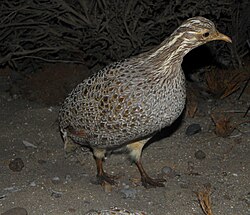
Yes, they are both part of the Palaeognathae infraclass. However, tinamous are more closely related to the extinct moas of New Zealand than to ostriches.
Why do tinamous have a greenish skin tint?
The greenish tint is an indication of their relatively poor blood circulation.
Can tinamous fly?
Yes, unlike the truly flightless ratites (like ostriches), tinamous can fly, although they are generally poor flyers and prefer to remain on the ground.
What is the smallest species of tinamou?
The dwarf tinamou (Taoniscus nanus) is the smallest, weighing approximately 43 grams and measuring 14.5 cm in length.
Why is field burning dangerous for tinamous?
Field burning can intoxicate the birds with smoke, making them easy prey for predators, and can directly kill eggs or chicks in the nest.