Time Zones: How the World Synchronizes Standard Time
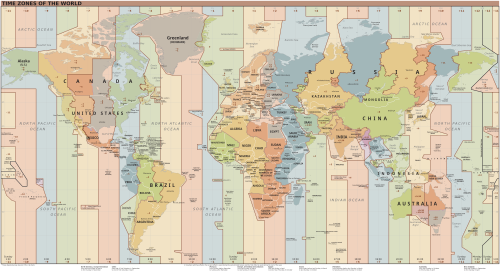
In our interconnected global society, keeping track of time is more than just a matter of convenience; it is a necessity for legal, commercial, and social coordination. A time zone is a specific geographic area that observes a uniform standard time. While one might assume these zones follow strict lines of longitude, they often shift to follow national or regional boundaries to ensure that areas in frequent communication can maintain the same clock.
Foundations of Global Timekeeping
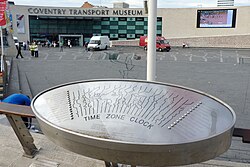
Modern timekeeping is anchored by Coordinated Universal Time (UTC). Every time zone is defined by its specific offset from this global standard. These offsets typically consist of whole hours, but the system allows for greater precision to accommodate local needs.
For instance, while most of the world moves in one-hour increments, certain regions use offsets of 30 or 45 minutes. Notable examples include India and Nepal, which utilize these fractional offsets to better align with their local solar cycles.
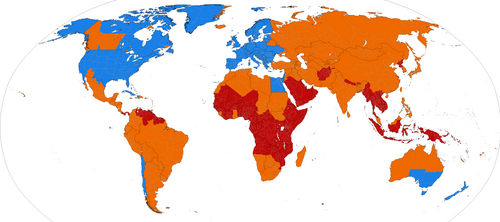
Daylight Saving Time (DST)
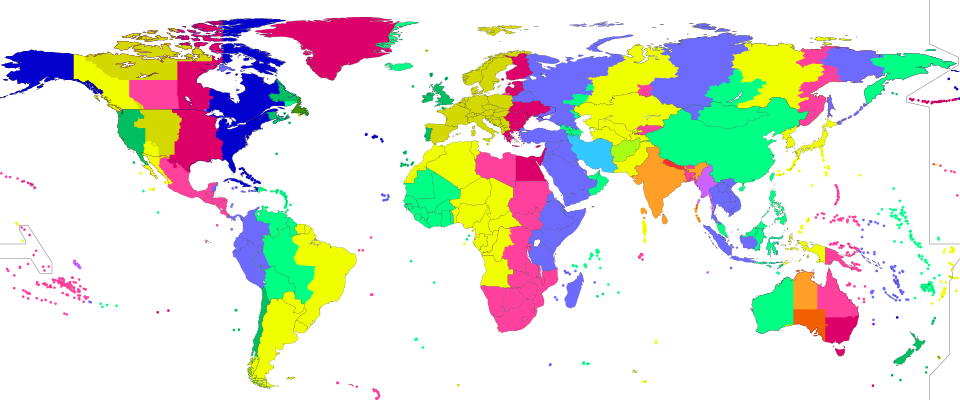
To make better use of daylight, many regions implement daylight saving time (DST). This practice involves advancing clocks by one hour during the spring and summer months. Because of this, some areas may use a different UTC offset depending on the time of year.
Key Facts
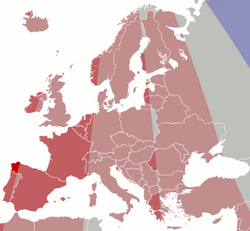
- UTC Range: Time zone offsets range from UTC−12:00 to UTC+14:00.
- Standardization: Time zones often follow political boundaries rather than strict longitudinal lines.
- Fractional Offsets: Some zones, such as those in India and Nepal, use 30 or 45-minute offsets.
- DST: Daylight saving time is a seasonal adjustment used to shift daylight hours.
- Conversion: Time differences can result in different calendar dates for different regions.
Calculating Time Zone Differences
Converting time between two different zones requires a mathematical relationship based on their respective offsets from UTC. The formula follows this logic: "time in zone A" − "UTC offset for zone A" = "time in zone B" − "UTC offset for zone B".
For example, if it is 09:30 in a region with a UTC−05:00 offset, you can calculate the time in California (UTC−08:00) as follows: 09:30 − (−05:00) + (−08:00) = 06:30. Similarly, the time in India (UTC+05:30) would be 09:30 − (−05:00) + (+05:30) = 20:00.
The Impact of Date Changes
Because offsets can be so significant, time differences often result in different calendar days. For example, when it is 22:00 on a Monday in Egypt (UTC+02:00), it is already 01:00 on Tuesday in Pakistan (UTC+05:00).
| UTC Offset | Example Locations | Uses DST? |
|---|---|---|
| UTC−08:00 | California, USA; Baja California, Mexico | Yes |
| UTC−05:00 | Quebec, Canada; Panama | Yes |
| UTC+00:00 | United Kingdom; Portugal | Yes |
| UTC+05:30 | India; Sri Lanka | No |
| UTC+08:00 | China; Singapore; Western Australia | No |
| UTC+10:00 | Queensland, Australia; Papua New Guinea | No |
| UTC+14:00 | Line Islands, Kiribati | No |
Historical Context and Evolution
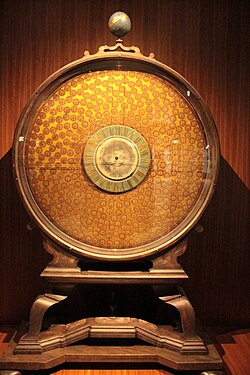
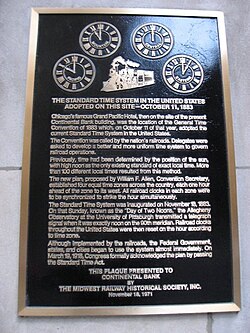
The concept of standardized time has evolved significantly. Historically, time was often measured by the sun, but the rise of modern transportation necessitated more rigid systems. In North America, the Railway General Time Convention of 1883 was a pivotal moment in establishing standardized time for the railroad industry.
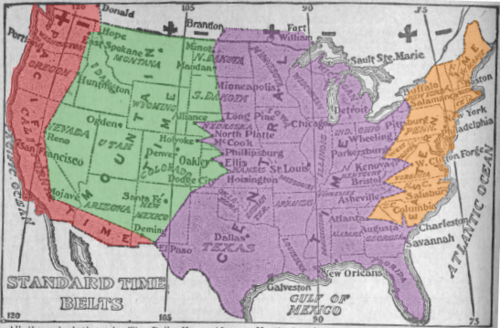
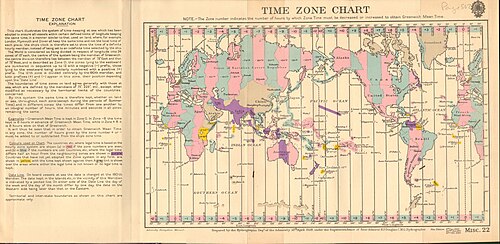
Before the widespread adoption of modern time zones, boundaries were often quite different. Historical maps from the early 20th century show a much more fragmented landscape of timekeeping compared to the streamlined system used today.
Frequently Asked Questions
What is the difference between UTC and local time?
UTC (Coordinated Universal Time) is the primary time standard by which the world regulates clocks and time. Local time is the time observed in a specific region, which is expressed as an offset (plus or minus a certain number of hours) from UTC.
Why do some time zones use 30 or 45-minute offsets?
Some countries choose fractional offsets to ensure their standard time more closely aligns with the actual solar time of their geographic location.
How does daylight saving time affect my clock?
During the spring, clocks are typically moved one hour ahead to extend evening daylight. In the autumn, clocks are moved back one hour to return to standard time.
Can a time zone change the date?
Yes. Because of the wide range of offsets (from UTC−12:00 to UTC+14:00), a significant time difference can mean that one part of the world is on a different calendar day than another.
Do all countries use daylight saving time?
No. Many regions, particularly those near the equator or those that have chosen not to implement it, observe standard time year-round without seasonal adjustments.