Time Magazine: A Century of Global News and Influence
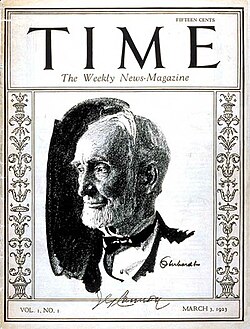
For over a hundred years, Time has served as a cornerstone of American journalism, distilling the complexities of global events into a weekly digest. Founded in 1923, the publication evolved from a niche news magazine into a global multimedia brand, shaping how millions of readers perceive politics, culture, and history.
The magazine was established by Henry Luce and Briton Hadden, introducing a distinct style of reporting that prioritized concise, punchy summaries of the week's most critical stories. Over the decades, it has transitioned through various ownerships—from the original Time Inc. to Time Warner, Meredith Corporation, and currently Time USA, LLC, owned by Marc and Lynne Benioff.
Key Facts
- Founded: March 3, 1923, by Henry Luce and Briton Hadden.
- Current Editor-in-Chief: Sam Jacobs.
- Frequency: Weekly from 1923 to 2020; bi-weekly from 2020 to the present.
- Circulation: 1,044,989 as of 2023.
- Notable Tradition: The annual Person of the Year, started in 1927.
- Most Frequent Cover Subject: Richard Nixon, appearing 55 times.
A Legacy of Journalistic Milestones
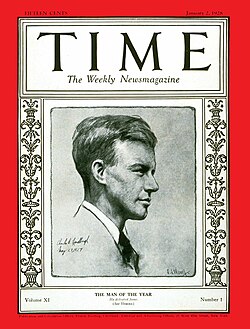
Time's influence extends far beyond its weekly issues. In 1927, the magazine launched the Person of the Year (originally "Man of the Year"), an annual tradition that recognizes the individual or group that had the most impact on the news that year. The inaugural winner was aviator Charles Lindbergh.
Throughout the mid-20th century, Time Inc. expanded its reach by launching other iconic imprints, including Fortune, Life, and Sports Illustrated. The company also ventured into broadcasting with the March of Time and later acquired Little, Brown & Company. By 1990, Time Inc. became a subsidiary of Time Warner following a merger with Warner Communications.
The Evolution of the Cover
The cover of Time is one of the most recognizable symbols in media. While many figures have graced its pages, former President Richard Nixon holds the record for the most appearances, with 55 covers between 1952 and 1994. The magazine also utilizes specific visual cues to convey meaning, such as the red X, used to mark the death of significant figures.

Modern Adaptation and Digital Shift
Like many print publications, Time has faced challenges in the digital era. The magazine saw significant declines in newsstand sales between 2009 and 2010 and underwent a major redesign in 2007. To stay relevant, the brand has expanded into various spin-offs, including Time for Kids, Time Africa, Time France, and even TimePieces NFTs, which integrate the brand into the metaverse via The Sandbox.
Operational Overview
The magazine's leadership has seen many distinguished journalists. From early editors like Briton Hadden and Henry Luce to modern managing editors such as Walter Isaacson and Nancy Gibbs, the publication has maintained a high standard of intellectual rigor. Its contributors have included Pulitzer Prize winners like John McPhee and influential critics like Richard Schickel.
| Attribute | Detail |
|---|---|
| First Issue Date | March 3, 1923 |
| Founders | Henry Luce & Briton Hadden |
| Current Owner | Time USA, LLC (Marc & Lynne Benioff) |
| ISSN | 0040-781X |
| Key Competitors | Newsweek, The New Yorker, The Atlantic |
Frequently Asked Questions
Who was the first Time Person of the Year?
Charles Lindbergh was the first honoree of the annual Person of the Year award in 1927.
How often is Time magazine published now?
After publishing weekly from 1923 to 2020, the magazine shifted to an every-other-week (bi-weekly) frequency starting in 2020.
What does the red 'X' on a Time cover signify?
The red 'X' is a visual marker used by the magazine to denote the death of the person featured on the cover.
Who currently owns Time magazine?
Time is currently owned by Time USA, LLC, which is owned by Marc and Lynne Benioff.
Who has appeared on the cover of Time the most?
Former U.S. President Richard Nixon has appeared on the cover 55 times, the most of any individual.