Tifosi: The Passionate Culture of Italian Sports Fandom
In the world of global sports, few terms capture the essence of devotion and intensity quite like tifosi. While the word literally refers to fans, it describes a specific brand of passionate support rooted in Italian culture. From the roaring terraces of football stadiums to the red-draped grandstands of Formula One, the tifosi are more than just spectators; they are an integral part of the sporting spectacle.
Key Facts
- Tifosi refers to passionate sports supporters, most notably associated with Italian football, cycling, and motor racing.
- In football, organized groups known as ultras coordinate complex visual displays using banners, flares, and drums.
- The term is synonymous with Scuderia Ferrari fans in Formula One, creating a "sea of red" at the Italian Grand Prix.
- Tifosi loyalty is often tied to the brand or team (like Ferrari) rather than the nationality of the athlete.
- The culture of tifo (organized choreography) has spread from Italy to other European sports, including ice hockey.
Tifosi in Italian Football
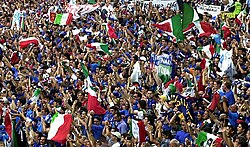
Football is perhaps the most common arena for the tifosi. Beyond local fan clubs that organize away trips and provide community hubs, the landscape has been shaped since the late 1960s by ultras. These are highly organized stadium groups dedicated to choreographing support through the use of flags, coloured smoke screens, flares, drums, and synchronized chanting.
Much of the passion is fueled by deep-seated city rivalries. The colors, symbols, and iconography used by these fans often have historical roots stretching back to the early Renaissance and the Middle Ages. This cultural phenomenon was even highlighted in the 1999 Italian film Tifosi.
The Spirit of Italian Cycling
The term is equally prevalent in professional road cycling. Tifosi are the passionate supporters who line the roadsides during Italy's most prestigious races, including the Giro d'Italia, Milan–San Remo, Tirreno–Adriatico, and the Giro di Lombardia. Their presence creates an electric atmosphere for both the Italian teams and the individual cyclists competing in these grueling events.
Formula One and the Sea of Red
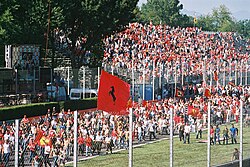
In the realm of motor racing, "tifosi" has become almost synonymous with the supporters of Scuderia Ferrari. While Italian fans have historically supported other domestic brands like Alfa Romeo, Lancia, and Maserati, their devotion to Ferrari is unparalleled. This is most evident at the Italian Grand Prix, where the grandstands are filled with a "sea of red" and massive Ferrari flags.
The Schumacher Era and Beyond
The ranks of the tifosi grew significantly in the mid-1990s with the arrival of Michael Schumacher in 1996. Along with key personnel like Rory Byrne and Ross Brawn, Schumacher led Ferrari to six Constructors' Championships (1999–2004) and won five drivers' titles before his first retirement in 2006. More recently, the tifosi celebrated wildly when Charles Leclerc won the 2019 Italian Grand Prix, the team's first home victory since 2010.
Complex Loyalties and Rivalries
The relationship between the tifosi and other teams can be strained. For example, Mercedes drivers were frequently booed at the Monza Circuit between 2014 and 2018. However, the tifosi can also be surprisingly appreciative of non-Ferrari drivers. In 2025, Red Bull's Max Verstappen noted that he felt genuine support from the Ferrari faithful after his win at Monza, though the 2022 event was marred by reports of harassment against him and his family.
Interestingly, the tifosi often prioritize the Ferrari brand over Italian nationality. At the 1983 San Marino Grand Prix, the crowd cheered when Frenchman Patrick Tambay (driving a Ferrari) won after Italian driver Riccardo Patrese (driving a Brabham) crashed out. Similarly, Frenchman Jean-Louis Schlesser is remembered fondly by tifosi for an incident during the 1988 Italian Grand Prix that inadvertently helped Ferrari secure a 1–2 finish shortly after the death of Enzo Ferrari.
Tifo in European Ice Hockey
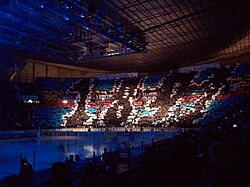
The influence of Italian fan culture has extended beyond Italy and beyond traditional sports. In the 2000s, tifo (the organized visual displays) and choreography became popular in European ice hockey. This trend, accompanied by the rise of ultras and hooligan culture, is particularly prominent in Switzerland, Sweden, and Finland.
Summary of Tifosi Influence
| Sport | Primary Focus | Key Characteristics |
|---|---|---|
| Football | Local Clubs / National Team | Ultras, choreography, historical city rivalries. |
| Cycling | Road Races (e.g., Giro d'Italia) | Roadside support and passionate cheering. |
| Formula One | Scuderia Ferrari | "Sea of red," brand loyalty over nationality. |
| Ice Hockey | European Leagues | Adoption of tifo and ultra-style choreography. |
Frequently Asked Questions
What does the word "tifosi" mean?
Tifosi is the Italian word for fans or supporters, typically used to describe those with an intense, passionate devotion to a sports team or athlete.
Who are the "ultras" in Italian football?
Ultras are organized groups of fans who coordinate stadium support using drums, banners, flares, and synchronized chanting to create a visually and audibly imposing presence.
Why are Formula One tifosi associated with the color red?
This is because the majority of Formula One tifosi support Scuderia Ferrari, whose iconic racing color is red, leading to the famous "sea of red" at races like the Italian Grand Prix.
Do tifosi only support Italian athletes?
Not necessarily. In motor racing, tifosi have shown that their loyalty to the Ferrari brand often outweighs nationality, having cheered for non-Italian drivers like Patrick Tambay and Michael Schumacher.
How has tifo culture spread to other sports?
The style of organized choreography and fan groups known as tifo has migrated from Italian football to other European sports, most notably becoming popular in ice hockey leagues in Finland, Sweden, and Switzerland during the 2000s.