Thrushes: Biology, Ecology, and Taxonomy of the Turdidae Family
Thrushes are a diverse family of passerine (perching) birds known as Turdidae. Found across the globe, these small to medium-sized birds are primarily ground-dwellers that play a vital role in their ecosystems. While they are often recognized by their melodic songs and plump appearance, their biological and ecological contributions extend far beyond their aesthetics.
Key Facts
- Scientific Family: Turdidae, established by Constantine Samuel Rafinesque in 1815.
- Diet: Primarily insectivores, though many consume worms, snails, and berries.
- Ecological Role: Essential for seed dispersal (ornithochory), helping maintain genetic diversity in plants.
- Diversity: Comprises 194 species divided into 17 genera.
- Nesting: Most build cup-shaped nests on branches, except for bluebirds which nest in holes.
Physical Characteristics and Behavior
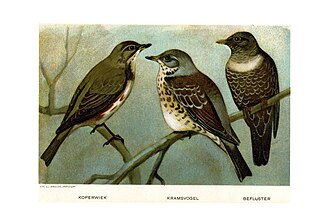
Thrushes are characterized by their soft plumage and plump bodies. Most species exhibit grey or brown coloration, frequently featuring speckled underparts. In terms of size, the great thrush is one of the largest, weighing between 128 and 175 g and measuring 28 to 33 cm in length, although the Amami thrush may potentially exceed these dimensions.
These birds are primarily insectivores, meaning they feed on insects, but they supplement their diet with other invertebrates like land snails and worms, as well as various fruits. Their distribution is worldwide, with some species remaining permanent residents in warm climates and others undertaking long-distance migrations to higher latitudes during the summer.
Nesting and Reproduction
The reproductive habits of thrushes typically involve the construction of cup-shaped nests, which are sometimes reinforced with mud. Most species place these nests on tree branches, with the notable exception of the three bluebird species, which utilize holes for nesting. Thrushes generally lay between two and five speckled eggs, and some species may produce multiple clutches in a single year, with both parents sharing the responsibility of raising the offspring.
Ecological Importance
Turdidae species are critical agents of ornithochory—the dispersal of plant seeds by birds. Because plants have limited mobility, they rely on biotic vectors to transport their seeds away from the parent plant.
When thrushes consume fruit, they swallow the seeds and later release them through regurgitation or excretion. This process is a primary mechanism for transporting seeds across ocean barriers and into new territories. Furthermore, seeds can inadvertently attach to the birds' feathers or feet. By migrating long distances, thrushes help disperse endangered plant species, which reduces inbreeding and increases the genetic diversity of local flora.
Taxonomy and Classification
The classification of the Turdidae family has evolved significantly through molecular phylogenetic analysis. Originally, the family was larger and included the subfamily Saxicolinae (chats and European robins). However, these have since been reclassified into the Old World flycatcher family, Muscicapidae.
Current research indicates that Turdidae belongs to the superfamily Muscicapoidea and is the sister family to Muscicapidae. These two lineages diverged approximately 17 million years ago during the Miocene epoch. Recent genetic studies have further refined the family, moving the genera Myophonus, Alethe, Brachypteryx, and Heinrichia to Muscicapidae, while moving the genus Cochoa into Turdidae.
Summary of Turdidae Genera
| Genus | Common Name/Group | Approx. Species Count |
|---|---|---|
| Turdus | Typical thrushes | 105 |
| Zoothera | Asian thrushes | 22 |
| Geokichla | Medium-sized thrushes | 21 |
| Myadestes | Solitaires | 13 |
| Catharus | American/Nightingale-thrushes | 13 |
| Sialia | Bluebirds | 3 |
Historical Human Interaction
Historically, thrushes were trapped and consumed in various parts of Europe, though this practice is now rare. Traditional culinary preparations varied by region: in Italy, they were grilled on skewers or served with polenta; in Belgium, they were cooked with juniper berries. In France, the renowned cook Marie-Antoine Carême recommended preparing them in crépinettes (small caul fat sausages) served with sauce Périgueux.
Frequently Asked Questions
What is the difference between a thrush and an Old World flycatcher?
While they were once grouped together, molecular analysis shows they are separate families (Turdidae and Muscicapidae) that diverged about 17 million years ago. Thrushes are generally larger, ground-feeding birds, whereas flycatchers have different foraging behaviors.
How do thrushes help the environment?
Thrushes facilitate seed dispersal through ornithochory. By eating fruits and transporting seeds over long distances via migration, they help plants colonize new areas and maintain genetic health in endangered flora.
Where do thrushes build their nests?
Most thrushes build cup-shaped nests on tree branches. The only exceptions are bluebirds, which nest in holes.
What do thrushes eat?
They are primarily insectivores, feeding on insects and other invertebrates such as worms and land snails, but they also consume fruit and berries.
Which is the largest species of thrush?
The great thrush is among the largest, reaching up to 33 cm and 175 g, though the Amami thrush may potentially be larger.